The Best Fluffy Pancakes recipe you will fall in love with. Full of tips and tricks to help you make the best pancakes.
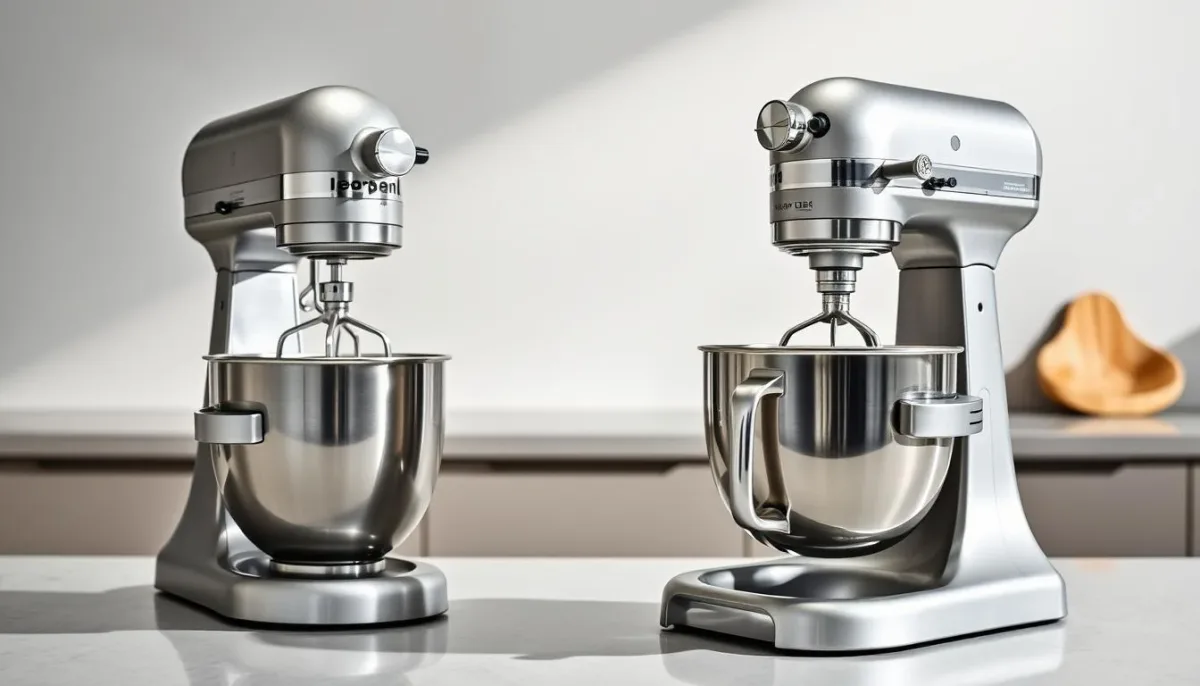
Let me set the scene: It’s 4:30 AM, the kind of hour where the world outside is still wrapped in that quiet, pre-dawn hush. You’re standing in your commercial kitchen, coffee in hand, staring at two hulking machines that look like they could either make your life a whole lot easier or turn your dough into a science experiment gone wrong. On your left, a planetary mixer, sleek and versatile, promising to handle everything from whipped cream to pizza dough. On your right, a spiral mixer, a beast built for one thing and one thing only: kneading the perfect bread dough. You’ve heard the debates, read the specs, maybe even lost sleep over the decision. Which one do you choose?
I’ve been there, more times than I’d like to admit. When I first relocated to Nashville from the Bay Area, I thought I knew my way around a commercial kitchen. Turns out, the South has its own rules, especially when it comes to bread. My rescue cat, Luna, has witnessed more failed baguette attempts than I care to recount. But here’s the thing: choosing between a planetary and spiral mixer isn’t just about specs or price tags. It’s about understanding how your kitchen *actually* operates, what your team can handle, and what kind of food you’re putting out into the world. So let’s dive in, because by the end of this, you’ll either be ready to pull the trigger on a new mixer or at least know why you’re sticking with the one you’ve got.
In this showdown, we’re going to break down everything, from the mechanics of mixing to the hidden costs of ownership, and even the cultural biases that might be clouding your judgment. We’ll talk about which mixer is better for high-volume bakeries, which one shines in a pizzeria, and why some chefs swear by one over the other like it’s a matter of culinary faith. And yes, we’ll even touch on the stuff no one else talks about: the noise, the cleaning, the way these machines can either make your staff’s lives easier or turn them into a frustrated, flour-covered mess. Ready? Let’s get into it.
The Basics: What Even Are These Mixers?
Before we pit these two titans against each other, let’s make sure we’re on the same page about what they actually are. Because, let’s be honest, if you’re not knee-deep in commercial kitchen equipment, the terms planetary mixer and spiral mixer might sound like something out of a sci-fi novel. (Planetary? Spiral? Are we making dough or launching a spaceship?)
Planetary Mixers: The Jack-of-All-Trades
Picture this: You’ve got a bowl, and inside that bowl, an attachment, let’s say a dough hook, a whisk, or a paddle, is moving in two directions at once. The attachment itself rotates on its own axis, while the entire head (or sometimes the bowl) orbits around a central point, like a planet around the sun. That, my friends, is the magic of a planetary mixer. The name comes from this orbital motion, and it’s what gives these mixers their versatility.
Planetary mixers are the Swiss Army knives of the commercial kitchen world. Need to whip up a batch of meringue? No problem. Mixing cookie dough? Easy. Kneading pizza dough for a dinner rush? They can do that too, though we’ll get into why that might not always be the best idea. These mixers come with a variety of attachments, from dough hooks to wire whisks to flat beaters, making them a go-to for bakeries, restaurants, and even some food trucks that need to handle multiple tasks without taking up half the kitchen with dedicated machines.
But here’s where things get a little tricky. Planetary mixers are designed to be generalists, not specialists. They’re the kind of machine you buy when you need to do a little bit of everything, but not necessarily when you need to do one thing *exceptionally* well. And that’s where the debate starts. Because if you’re running a high-volume bakery where bread is your bread and butter (pun absolutely intended), a planetary mixer might leave you wanting more.
Spiral Mixers: The Bread Whisperers
Now, let’s talk about spiral mixers. If planetary mixers are the jack-of-all-trades, spiral mixers are the masters of one: kneading dough. Specifically, yeasted dough. These machines are built with a single, spiral-shaped hook that rotates in one direction while the bowl itself spins in the opposite direction. The result? A gentle, consistent kneading action that mimics the way a human baker would work the dough, if that human baker had the stamina of a marathon runner and the precision of a robot.
Spiral mixers are the darlings of artisanal bakeries, pizzerias, and any kitchen where bread, pizza, or bagels are the stars of the show. They’re designed to handle high hydration doughs (that’s baker-speak for dough with a lot of water in it) without overworking or overheating the gluten. This is a big deal, because overworked dough can lead to dense, tough bread, and no one wants that. The spiral hook’s motion is also gentler on the dough, which means less oxidation and better flavor development. In other words, if you’re chasing that perfect, airy crumb and a crust that sings, a spiral mixer might be your new best friend.
But, and this is a big but, spiral mixers aren’t exactly versatile. They’re not the kind of machine you’d use to whip cream or mix cake batter. They’re specialists, and that specialization comes with trade-offs. If your kitchen needs to do more than just knead dough, you might find yourself wishing for a planetary mixer’s flexibility. Or, you know, buying a second mixer. Which, let’s be real, is a luxury not every kitchen can afford.
How They Work: The Science Behind the Spin
Alright, let’s geek out for a minute. Because if you’re going to drop thousands of dollars on a piece of equipment, you should probably know how it actually works, right? I mean, I wouldn’t buy a car without at least pretending to understand what’s under the hood, and mixers are no different. So let’s break down the mechanics of mixing for both planetary and spiral mixers. Trust me, this stuff matters more than you think.
The Planetary Mixer’s Dance
Remember how I said planetary mixers move like a planet around the sun? That’s not just a cute analogy, it’s the key to how they work. The attachment (dough hook, whisk, etc.) rotates on its own axis while simultaneously orbiting around the center of the bowl. This dual motion ensures that the attachment comes into contact with every part of the bowl, which is great for homogeneous mixing. Whether you’re making cake batter or cookie dough, the planetary mixer’s motion ensures that everything gets evenly incorporated.
But here’s where things get interesting. Because the attachment is moving in two directions at once, the mixing action can be a little more aggressive than what you’d get with a spiral mixer. For some tasks, like creaming butter and sugar or whipping egg whites, that’s a good thing. The extra friction and aeration help create light, fluffy textures. But for delicate doughs, especially those with high hydration, that same aggression can be a problem. Too much mixing can overdevelop the gluten, leading to tough, dense bread. And if you’ve ever bitten into a baguette that tasted like it was trying to fight back, you know that’s not a good thing.
Another thing to consider is the bowl size and capacity. Planetary mixers typically come with a range of bowl sizes, from small (5 quarts) to massive (140 quarts or more). The larger the bowl, the more dough or batter you can mix at once. But, and this is a big but, just because a mixer *can* handle a large batch doesn’t always mean it *should*. Overloading a planetary mixer can lead to uneven mixing, overheating, and even motor strain. So if you’re running a high-volume operation, you might find yourself doing multiple smaller batches, which can be a pain when you’re in the middle of a dinner rush.
The Spiral Mixer’s Gentle Touch
Now, let’s talk about spiral mixers. These machines are all about low and slow. The spiral hook rotates in one direction while the bowl spins in the opposite direction, creating a kneading action that’s gentle yet thorough. Unlike planetary mixers, which rely on a more aggressive mixing motion, spiral mixers are designed to mimic the way a human baker would knead dough, just, you know, with a lot more consistency and a lot less elbow grease.
The key advantage here is gluten development. Spiral mixers are engineered to develop gluten in a way that’s optimal for bread dough. The gentle, consistent motion ensures that the gluten strands align properly without getting overworked, which is crucial for achieving that perfect, airy crumb. This is especially important for high-hydration doughs, like those used in ciabatta or sourdough, where too much aggression can lead to a dense, gummy texture.
Another thing that sets spiral mixers apart is their cooling capabilities. Because they’re designed specifically for dough, many spiral mixers come with features like jacketed bowls (bowls with a cooling system built in) to keep the dough at an optimal temperature during mixing. This is a game-changer for bakeries that need to mix large batches of dough without worrying about overheating, which can kill yeast and ruin the final product. If you’ve ever had to stop mid-mix to let your dough cool down, you know how frustrating that can be.
But, and you knew there was a but coming, spiral mixers aren’t perfect. Their biggest limitation is their lack of versatility. Most spiral mixers come with just one attachment: the spiral hook. That means if you need to whip cream, mix cake batter, or even just incorporate dry ingredients into a wet mix, you’re out of luck. You’ll need a separate machine for those tasks, which can be a dealbreaker for kitchens with limited space or budgets.
Capacity and Volume: How Much Dough Can You Really Handle?
Alright, let’s talk numbers. Because when it comes to commercial mixers, capacity isn’t just a number on a spec sheet-it’s the difference between keeping up with demand and watching your dinner rush turn into a logistical nightmare. So how do planetary and spiral mixers stack up when it comes to handling volume? Spoiler alert: It’s not as straightforward as you might think.
Planetary Mixers: The Volume Variable
Planetary mixers are like the overachievers of the mixer world. They come in a wide range of sizes, from compact countertop models that can handle a few quarts of batter to floor-standing behemoths that can mix enough dough to feed a small army. But here’s the thing: just because a planetary mixer can handle a large batch doesn’t mean it should. And that’s where things get complicated.
Let’s say you’re running a pizzeria, and you need to mix enough dough for 200 pies in a single batch. A large planetary mixer might seem like the obvious choice, after all, it’s got the capacity, right? But here’s the catch: planetary mixers aren’t designed for the kind of long, consistent kneading that pizza dough requires. The mixing action can be too aggressive, leading to overworked dough and uneven gluten development. And if you’re mixing multiple batches to avoid overloading the machine, you’re looking at a lot of downtime, which isn’t ideal when you’ve got a line out the door.
That said, planetary mixers do have their place in high-volume settings. If you’re running a bakery that needs to mix everything from cake batter to cookie dough to bread dough, a planetary mixer’s versatility can be a lifesaver. But, and this is a big but, you’ll need to be strategic about how you use it. For example, you might use it for smaller batches of bread dough and save the big jobs for a spiral mixer. Or, if you’re really committed, you might invest in multiple planetary mixers to handle different tasks simultaneously. But let’s be real: not every kitchen has the space or budget for that kind of setup.
Spiral Mixers: Built for the Big Jobs
Now, let’s talk about spiral mixers. These machines are built for volume. If you’re running a bakery that churns out hundreds of loaves of bread a day, a spiral mixer is probably already on your radar. Why? Because they’re designed to handle large batches of dough without breaking a sweat (or overheating the dough, for that matter).
One of the biggest advantages of spiral mixers is their efficiency. Because they’re designed specifically for dough, they can mix large batches quickly and consistently. That means less downtime between batches, which is crucial when you’re trying to keep up with demand. And because they’re gentler on the dough, you don’t have to worry as much about overworking or overheating, which can be a real issue with planetary mixers.
But, and you knew there was a but, spiral mixers aren’t exactly space-efficient. These machines are big, heavy, and not exactly easy to move around. If you’re working with a small kitchen, you might find that a spiral mixer takes up more real estate than you can afford. And because they’re designed for one specific task, you’ll still need other equipment to handle things like whipping cream or mixing cake batter. So while they’re great for high-volume bread production, they’re not exactly a one-stop shop.
Another thing to consider is the learning curve. Spiral mixers are designed to be user-friendly, but they’re not exactly intuitive if you’ve never used one before. Your staff will need to be trained on how to load the dough, set the mixing time, and monitor the process to ensure consistency. And if you’re running a kitchen with high turnover, that training can add up to a lot of time and effort.
The Dough Dilemma: Which Mixer Handles What Best?
Alright, let’s get down to brass tacks. What kind of dough are you working with, and which mixer is going to give you the best results? Because let’s face it: not all dough is created equal. A fluffy brioche has very different needs than a chewy bagel, and a delicate pastry dough is a world away from a hearty sourdough. So let’s break it down by dough type and see which mixer comes out on top.
Bread Dough: The Spiral Mixer’s Sweet Spot
If bread is your bread and butter (there I go again with the puns), then a spiral mixer is probably your best bet. Why? Because bread dough, especially yeasted dough, requires a gentle, consistent kneading action to develop the gluten properly without overworking it. And that’s exactly what spiral mixers are designed to do.
Take sourdough, for example. This stuff is finicky. It’s got a high hydration level, which means it’s wet and sticky, and it requires a delicate touch to develop the gluten without turning it into a dense, gummy mess. A spiral mixer’s gentle kneading action is perfect for this kind of dough. It mimics the way a human baker would work the dough, just with a lot more precision and consistency. And because spiral mixers are designed to handle large batches, you can mix enough dough for a full day’s production in one go, which is a huge time-saver.
But what if you’re not just making sourdough? What if you’re also whipping up batches of brioche or challah, which require a bit more fat and sugar? Spiral mixers can handle these doughs too, but you’ll need to be careful not to overmix. The extra fat and sugar can make the dough more delicate, so you’ll want to keep an eye on the mixing time and adjust as needed. And if you’re making something like focaccia, which has a high hydration level and requires a lot of folding, a spiral mixer might not be the best choice. You’re better off mixing the dough just enough to combine the ingredients and then finishing it by hand.
Pizza Dough: A Planetary vs. Spiral Showdown
Pizza dough is where things get really interesting. Because on the one hand, pizza dough is bread dough, and we’ve already established that spiral mixers are great for bread dough. But on the other hand, pizza dough has its own unique requirements, and not every spiral mixer is up to the task. So let’s break it down.
First, let’s talk about Neapolitan-style pizza dough. This stuff is all about high hydration, long fermentation, and a delicate, airy crust. If you’re making Neapolitan pizza, a spiral mixer is probably your best bet. The gentle kneading action will develop the gluten just enough to give you that perfect chew without overworking the dough. And because spiral mixers are designed to handle large batches, you can mix enough dough for a full day’s production in one go, which is a huge time-saver.
But what if you’re making New York-style pizza, which has a lower hydration level and a chewier crust? In this case, a planetary mixer might actually be the better choice. The more aggressive mixing action can help develop the gluten more quickly, which is ideal for a dough that needs to be rolled out thin and hold its shape. Plus, planetary mixers are more versatile, so if you’re also making other types of dough or batter, you won’t need a separate machine.
That said, there’s a catch. Planetary mixers can overwork pizza dough if you’re not careful, leading to a tough, dense crust. So if you’re going the planetary route, you’ll want to keep an eye on the mixing time and stop as soon as the dough comes together. And if you’re making a high-hydration dough, like Neapolitan, you might find that a planetary mixer just doesn’t have the gentle touch you need.
Pastry and Cake Dough: The Planetary Mixer’s Time to Shine
Alright, let’s switch gears and talk about pastry and cake dough. Because if you’re running a bakery that does more than just bread, you’re going to need a mixer that can handle these delicate, fat-rich doughs. And that’s where the planetary mixer really shines.
Take pie dough, for example. This stuff is all about keeping the fat (usually butter or lard) cold and cutting it into the flour just enough to create those flaky layers. A planetary mixer’s paddle attachment is perfect for this task. It cuts the fat into the flour without overworking the dough, which is crucial for achieving that perfect, flaky texture. And because planetary mixers are so versatile, you can switch out the paddle for a whisk to whip up a batch of meringue or a flat beater to cream butter and sugar for cookies.
But what if you’re making something like croissant dough, which requires a lot of folding and laminating? In this case, a planetary mixer can help with the initial mixing, but you’ll still need to do a lot of the work by hand. The mixer can combine the ingredients and develop the gluten just enough to make the dough manageable, but the real magic happens during the folding and laminating process. So while a planetary mixer can be a huge help, it’s not a substitute for good old-fashioned elbow grease.
And let’s not forget about cake batter. Whether you’re making a light, fluffy sponge cake or a rich, dense pound cake, a planetary mixer’s whisk attachment is perfect for incorporating air and creating that perfect, aerated texture. The key here is to mix just enough to combine the ingredients without overworking the batter, which can lead to a dense, tough cake. And because planetary mixers are so versatile, you can switch out the whisk for a paddle to mix in any add-ins, like chocolate chips or fruit.
Speed and Efficiency: Which Mixer Keeps Up with Your Kitchen?
Let’s talk about speed. Because in a commercial kitchen, time isn’t just money, it’s the difference between a smooth service and a chaotic mess. So which mixer is going to help you keep up with demand without leaving you (or your staff) gasping for air? The answer, as with most things in life, is: it depends.
Planetary Mixers: Fast but Not Always Furious
Planetary mixers are quick. There’s no denying it. Whether you’re whipping egg whites into stiff peaks or creaming butter and sugar for cookies, a planetary mixer can get the job done in a fraction of the time it would take to do it by hand. And because they come with a variety of attachments, you can switch between tasks without missing a beat. Need to mix a batch of cake batter and then whip some cream for frosting? No problem. Just swap out the attachments, and you’re good to go.
But, and this is a big but, planetary mixers aren’t always the most efficient choice for high-volume production. Why? Because their mixing action can be a little too aggressive for some tasks, like kneading bread dough. If you’re trying to mix a large batch of dough in a planetary mixer, you might find that the dough gets overworked or overheated, which can lead to a dense, tough final product. And if you’re mixing multiple smaller batches to avoid overloading the machine, you’re looking at a lot of downtime, which isn’t ideal when you’re in the middle of a dinner rush.
Another thing to consider is the learning curve. Planetary mixers are generally user-friendly, but they’re not exactly intuitive if you’ve never used one before. Your staff will need to be trained on how to use the different attachments, how to adjust the speed settings, and how to monitor the mixing process to ensure consistency. And if you’re running a kitchen with high turnover, that training can add up to a lot of time and effort.
Spiral Mixers: Slow and Steady Wins the Race
Spiral mixers, on the other hand, are all about consistency. They’re not the fastest mixers on the market, but they’re designed to handle large batches of dough without breaking a sweat (or overheating the dough, for that matter). And because they’re so gentle on the dough, you don’t have to worry as much about overworking or overheating, which can be a real issue with planetary mixers.
But, and you knew there was a but, spiral mixers aren’t exactly speed demons. Because they’re designed specifically for dough, they’re not as versatile as planetary mixers, which means you’ll still need other equipment to handle things like whipping cream or mixing cake batter. And because they’re so specialized, they’re not always the best choice for kitchens that need to handle a wide variety of tasks.
Another thing to consider is the setup time. Spiral mixers are big, heavy machines, and they’re not exactly easy to move around. If you’re working with a small kitchen, you might find that a spiral mixer takes up more real estate than you can afford. And because they’re designed for one specific task, you’ll still need other equipment to handle things like whipping cream or mixing cake batter. So while they’re great for high-volume bread production, they’re not exactly a one-stop shop.
So which mixer is faster? It depends on what you’re making. If you’re whipping up a batch of cookies or mixing cake batter, a planetary mixer is probably your best bet. But if you’re kneading large batches of bread dough, a spiral mixer is going to save you time and effort in the long run.
The Cost Factor: Upfront vs. Long-Term Investment
Alright, let’s talk money. Because let’s face it: commercial mixers aren’t cheap. And when you’re running a business, every dollar counts. So which mixer is going to give you the most bang for your buck? The answer, as with most things in life, is: it depends. But let’s break it down and see if we can’t make sense of this financial maze.
Planetary Mixers: The Budget-Friendly All-Rounder
Planetary mixers are generally less expensive than spiral mixers, at least upfront. You can find a decent countertop planetary mixer for a few thousand dollars, and even the larger, floor-standing models won’t break the bank (relatively speaking, of course). And because they’re so versatile, you might be able to get away with buying just one machine to handle all your mixing needs, which can save you money in the long run.
But, and this is a big but, planetary mixers can be more expensive to maintain over time. Why? Because they’re designed to handle a wide variety of tasks, they tend to have more moving parts, which means more things that can break or wear out. And because they’re not as specialized as spiral mixers, they might not last as long if you’re using them for heavy-duty tasks like kneading large batches of bread dough.
Another thing to consider is the cost of attachments. Planetary mixers come with a variety of attachments, from dough hooks to wire whisks to flat beaters, and these attachments can add up over time. If you’re running a bakery that needs to handle a wide variety of tasks, you might find yourself shelling out hundreds (or even thousands) of dollars for additional attachments. And if you’re not careful, those attachments can become a logistical nightmare, taking up valuable storage space and requiring regular cleaning and maintenance.
Spiral Mixers: The High-End Specialist
Spiral mixers, on the other hand, are generally more expensive upfront. A decent spiral mixer can cost anywhere from $5,000 to $20,000 or more, depending on the size and features. And because they’re so specialized, you’ll still need other equipment to handle things like whipping cream or mixing cake batter, which can add to the overall cost.
But, and this is a big but, spiral mixers can be more cost-effective in the long run. Why? Because they’re designed specifically for dough, they tend to be more durable and require less maintenance than planetary mixers. And because they’re so efficient, they can save you time and labor costs over time. If you’re running a high-volume bakery, a spiral mixer can pay for itself in no time by allowing you to mix large batches of dough quickly and consistently.
Another thing to consider is the cost of downtime. If your mixer breaks down in the middle of a busy service, it can cost you hundreds (or even thousands) of dollars in lost revenue. Spiral mixers are generally more reliable than planetary mixers, which means less downtime and fewer headaches for you and your staff.
So which mixer is the better investment? It depends on your needs. If you’re running a small bakery or restaurant that needs to handle a wide variety of tasks, a planetary mixer might be the more cost-effective choice. But if you’re running a high-volume bakery that specializes in bread, a spiral mixer is probably the better long-term investment.
Space and Footprint: Which Mixer Fits Your Kitchen?
Let’s talk real estate. Because in a commercial kitchen, space is at a premium, and every square foot counts. So which mixer is going to give you the most functionality without taking up half your kitchen? The answer, as with most things, is: it depends. But let’s break it down and see if we can’t make sense of this spatial puzzle.
Planetary Mixers: Compact but Not Always Efficient
Planetary mixers come in a wide range of sizes, from compact countertop models to large, floor-standing behemoths. And because they’re so versatile, you might be able to get away with buying just one machine to handle all your mixing needs, which can save you space in the long run.
But, and this is a big but, planetary mixers aren’t always the most space-efficient choice. Why? Because they’re designed to handle a wide variety of tasks, they tend to have more moving parts, which means they can take up more space than a spiral mixer of the same capacity. And because they’re not as specialized as spiral mixers, you might find yourself needing additional equipment to handle tasks like whipping cream or mixing cake batter, which can add to the overall footprint.
Another thing to consider is the storage space for attachments. Planetary mixers come with a variety of attachments, from dough hooks to wire whisks to flat beaters, and these attachments can take up a lot of valuable storage space. If you’re running a small kitchen, you might find that storing all those attachments becomes a logistical nightmare, taking up precious shelf space and requiring regular cleaning and maintenance.
Spiral Mixers: Big but Worth It
Spiral mixers, on the other hand, are generally larger and heavier than planetary mixers. They’re designed to handle large batches of dough, which means they need a lot of space to operate effectively. And because they’re so specialized, you’ll still need other equipment to handle tasks like whipping cream or mixing cake batter, which can add to the overall footprint.
But, and this is a big but, spiral mixers are more space-efficient when it comes to their primary task: kneading dough. Because they’re designed specifically for dough, they can handle large batches in a single machine, which means you won’t need multiple mixers to keep up with demand. And because they’re so efficient, they can save you time and labor costs over time, which can make up for their larger footprint.
Another thing to consider is the layout of your kitchen. Spiral mixers are big, heavy machines, and they’re not exactly easy to move around. If you’re working with a small kitchen, you might find that a spiral mixer takes up more real estate than you can afford. But if you’ve got the space, a spiral mixer can be a game-changer for high-volume bread production.
So which mixer is the better fit for your kitchen? It depends on your needs. If you’re running a small bakery or restaurant with limited space, a planetary mixer might be the more practical choice. But if you’re running a high-volume bakery with plenty of room, a spiral mixer is probably the better option.
Maintenance and Durability: Which Mixer Stands the Test of Time?
Alright, let’s talk about the not-so-glamorous side of commercial mixers: maintenance and durability. Because let’s face it, no one wants to drop thousands of dollars on a machine only to have it break down after a few months. So which mixer is going to stand the test of time, and which one is going to leave you pulling your hair out? Let’s dive in.
Planetary Mixers: The High-Maintenance All-Rounder
Planetary mixers are generally easier to clean than spiral mixers, at least when it comes to the attachments. Because they come with a variety of removable attachments, you can pop them off and toss them in the dishwasher (or wash them by hand) without too much hassle. And because the bowl is usually removable, you can clean it separately, which makes the whole process a lot easier.
But, and this is a big but, planetary mixers can be more difficult to maintain over time. Why? Because they’re designed to handle a wide variety of tasks, they tend to have more moving parts, which means more things that can break or wear out. And because they’re not as specialized as spiral mixers, they might not last as long if you’re using them for heavy-duty tasks like kneading large batches of bread dough.
Another thing to consider is the motor. Planetary mixers are generally powered by a single motor, which means that if the motor burns out, the whole machine is out of commission. And because they’re designed to handle a wide variety of tasks, the motor can be put under a lot of strain, which can lead to premature wear and tear.
Spiral Mixers: The Low-Maintenance Specialist
Spiral mixers, on the other hand, are generally more durable than planetary mixers. Why? Because they’re designed specifically for dough, they tend to have fewer moving parts, which means fewer things that can break or wear out. And because they’re so efficient, they can handle large batches of dough without putting too much strain on the motor, which can extend the life of the machine.
But, and this is a big but, spiral mixers can be more difficult to clean. Why? Because they’re designed specifically for dough, they tend to have more nooks and crannies where dough can get stuck, which can make cleaning a real chore. And because the bowl is usually fixed, you can’t just pop it off and toss it in the dishwasher. You’ll need to clean it in place, which can be a time-consuming process.
Another thing to consider is the motor. Spiral mixers are generally powered by a more robust motor than planetary mixers, which means they can handle heavy-duty tasks without burning out. And because they’re designed specifically for dough, the motor is less likely to be put under unnecessary strain, which can extend the life of the machine.
So which mixer is the better choice when it comes to maintenance and durability? It depends on your needs. If you’re running a small bakery or restaurant that needs to handle a wide variety of tasks, a planetary mixer might be the more practical choice. But if you’re running a high-volume bakery that specializes in bread, a spiral mixer is probably the better long-term investment.
The Human Factor: How Your Team Affects the Choice
Let’s talk about the people who actually use these machines: your staff. Because at the end of the day, even the fanciest mixer in the world is useless if your team can’t (or won’t) use it properly. So how do planetary and spiral mixers stack up when it comes to the human factor? Let’s break it down.
Planetary Mixers: The User-Friendly All-Rounder
Planetary mixers are generally easier to use than spiral mixers, at least when it comes to the basics. Why? Because they’re designed to handle a wide variety of tasks, they tend to be more intuitive and user-friendly. Most planetary mixers come with a simple control panel that allows you to adjust the speed and mixing time with the touch of a button, which makes them a great choice for kitchens with high turnover or inexperienced staff.
But, and this is a big but, planetary mixers can be more difficult to master when it comes to more complex tasks. Why? Because they’re designed to handle a wide variety of tasks, they require a bit more finesse to get the best results. For example, if you’re kneading bread dough, you’ll need to keep a close eye on the mixing time to avoid overworking the dough. And if you’re whipping egg whites, you’ll need to adjust the speed settings to achieve the perfect peaks.
Another thing to consider is the learning curve. Planetary mixers are generally user-friendly, but they’re not exactly intuitive if you’ve never used one before. Your staff will need to be trained on how to use the different attachments, how to adjust the speed settings, and how to monitor the mixing process to ensure consistency. And if you’re running a kitchen with high turnover, that training can add up to a lot of time and effort.
Spiral Mixers: The Specialist’s Tool
Spiral mixers, on the other hand, are generally more difficult to use than planetary mixers, at least when it comes to the basics. Why? Because they’re designed specifically for dough, they tend to have a steeper learning curve. Most spiral mixers come with a more complex control panel that allows you to adjust the speed, mixing time, and even the bowl rotation, which can be overwhelming for inexperienced staff.
But, and this is a big but, spiral mixers can be easier to master when it comes to their primary task: kneading dough. Why? Because they’re designed specifically for dough, they require less finesse to get the best results. For example, if you’re kneading bread dough, you can set the mixing time and speed and let the machine do the rest. And because they’re so efficient, they can handle large batches of dough without requiring constant monitoring.
Another thing to consider is the training. Spiral mixers are generally more complex than planetary mixers, which means they require more training to use effectively. Your staff will need to be trained on how to load the dough, set the mixing time and speed, and monitor the process to ensure consistency. And if you’re running a kitchen with high turnover, that training can add up to a lot of time and effort.
So which mixer is the better choice when it comes to the human factor? It depends on your team. If you’re running a kitchen with high turnover or inexperienced staff, a planetary mixer might be the more practical choice. But if you’ve got a skilled team that specializes in bread, a spiral mixer is probably the better option.
The Verdict: Which Mixer Wins the Showdown?
Alright, let’s bring this showdown to a close. Because after all this talk about mechanics, capacity, dough types, and human factors, it’s time to answer the big question: which mixer deserves a spot in your kitchen? The truth is, there’s no one-size-fits-all answer. It all comes down to what you’re making, how much you’re making, and who’s making it. But let’s try to sum it up as best we can.
If you’re running a versatile kitchen that needs to handle everything from cake batter to cookie dough to bread dough, a planetary mixer is probably your best bet. It’s the jack-of-all-trades of the mixer world, and it can handle a wide variety of tasks without breaking a sweat. Plus, it’s generally more affordable upfront, which is a big plus if you’re working with a tight budget. But, and this is a big but, planetary mixers aren’t perfect. They can be more difficult to maintain over time, and they might not last as long if you’re using them for heavy-duty tasks like kneading large batches of bread dough.
On the other hand, if you’re running a high-volume bakery that specializes in bread, pizza, or bagels, a spiral mixer is probably the better choice. It’s the specialist of the mixer world, and it’s designed to handle large batches of dough quickly and consistently. Plus, it’s generally more durable and requires less maintenance over time, which can save you money in the long run. But, and this is a big but, spiral mixers aren’t as versatile as planetary mixers, which means you’ll still need other equipment to handle tasks like whipping cream or mixing cake batter. And because they’re so specialized, they can be more difficult to use, which means you’ll need to invest more time and effort in training your staff.
So which mixer wins the showdown? It depends. If you’re all about versatility and affordability, go with a planetary mixer. But if you’re all about efficiency and durability, go with a spiral mixer. And if you’re somewhere in between? Well, you might just need both. Because at the end of the day, the best mixer is the one that helps you put out the best food possible, day in and day out.
Final Thoughts: The Mixer That Fits Your Story
Here’s the thing about commercial mixers: they’re not just machines. They’re storytellers. They tell the story of your kitchen, your menu, and the kind of food you want to put out into the world. A planetary mixer says, “We do a little bit of everything, and we do it well.” A spiral mixer says, “We’re serious about bread, and we’re not messing around.” Neither one is inherently better than the other. They’re just different, and the right choice depends on the story you want to tell.
So before you pull the trigger on a new mixer, ask yourself: What kind of kitchen am I running? What kind of food do I want to make? And what kind of story do I want to tell? Because at the end of the day, the best mixer isn’t the one with the most features or the highest price tag. It’s the one that helps you create the food you’re proud of, day after day. And if you’re anything like me, that’s a story worth telling.
Now, if you’ll excuse me, I’ve got a batch of sourdough that’s been staring at me from the counter for the last hour. Luna’s already given me that look, the one that says, “You’re overthinking this, Sammy.” Maybe she’s right. Maybe the best mixer is the one that gets the job done, no matter what kind it is. But hey, at least I’ll have a good story to tell if it all goes wrong.
FAQ
Q: Can I use a planetary mixer for bread dough, or do I need a spiral mixer?
A: You *can* use a planetary mixer for bread dough, but it’s not always the best choice. Planetary mixers are versatile and can handle a wide variety of tasks, but their mixing action can be too aggressive for some types of bread dough, especially high-hydration doughs like sourdough or ciabatta. If you’re making bread occasionally, a planetary mixer will do the job. But if bread is a major part of your menu, a spiral mixer is the better choice. It’s designed specifically for dough and will give you more consistent, high-quality results.
Q: How do I know what size mixer I need for my kitchen?
A: The size of the mixer you need depends on a few factors: the volume of dough or batter you’re mixing, the type of dough or batter, and the space you have in your kitchen. For example, if you’re running a small bakery that makes a few dozen loaves of bread a day, a 20-quart planetary mixer might be all you need. But if you’re running a high-volume pizzeria that needs to mix enough dough for 200 pies a day, you’ll probably want a 60-quart spiral mixer. A good rule of thumb is to choose a mixer that can handle about 50-75% of your peak production volume. That way, you won’t be overloading the machine, but you won’t be wasting money on capacity you don’t need either.
Q: Are spiral mixers really worth the extra cost?
A: It depends on what you’re using it for. If you’re running a bakery that specializes in bread, pizza, or bagels, then yes, a spiral mixer is absolutely worth the extra cost. It’s designed specifically for dough and will give you more consistent, high-quality results than a planetary mixer. Plus, it’s generally more durable and requires less maintenance over time, which can save you money in the long run. But if you’re running a kitchen that needs to handle a wide variety of tasks, like whipping cream or mixing cake batter, a planetary mixer might be the more cost-effective choice. It’s all about what you’re making and how much you’re making it.
Q: What’s the biggest mistake people make when choosing a commercial mixer?
A: The biggest mistake is choosing a mixer based on price or brand alone, without considering how it will actually fit into your kitchen. A lot of people get swayed by flashy features or a low price tag, only to realize later that the mixer doesn’t have the capacity they need or isn’t suited to the type of dough they’re making. Another common mistake is not thinking about the long-term costs, like maintenance and durability. A mixer might be cheap upfront, but if it breaks down after a few months, it’s going to cost you a lot more in the long run. So before you buy, think about what you’re making, how much you’re making, and how the mixer will fit into your kitchen’s workflow. And if you’re still not sure, don’t be afraid to ask for a demo or talk to other chefs who’ve used the mixer you’re considering.
@article{commercial-mixer-showdown-planetary-vs-spiral-mixers-which-one-deserves-a-spot-in-your-kitchen,
    title   = {Commercial Mixer Showdown: Planetary vs. Spiral Mixers – Which One Deserves a Spot in Your Kitchen?},
    author  = {Chef's icon},
    year    = {2026},
    journal = {Chef's Icon},
    url     = {https://chefsicon.com/commercial-mixer-showdown-planetary-vs-spiral-mixers/}
}