The Best Fluffy Pancakes recipe you will fall in love with. Full of tips and tricks to help you make the best pancakes.
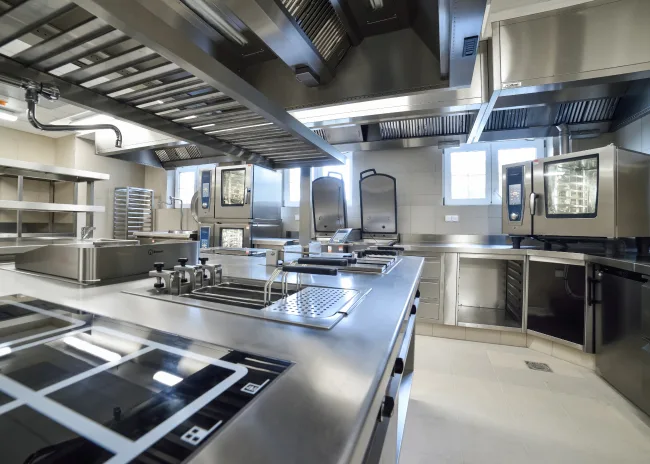
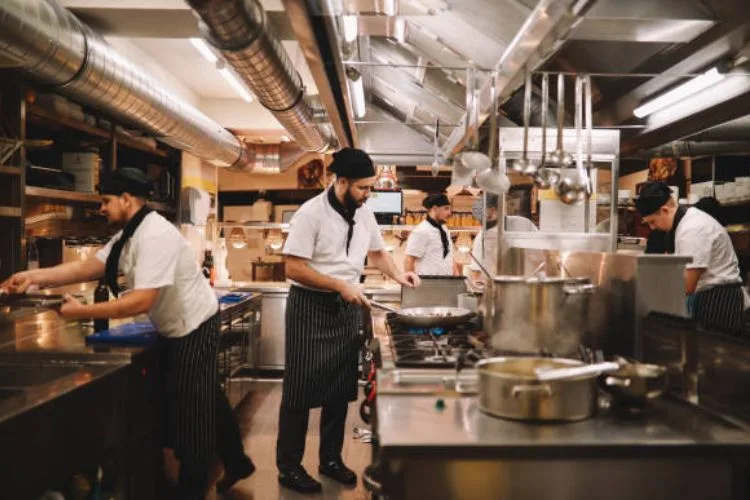
Let me tell you something, when I first walked into a commercial kitchen as a wide-eyed marketing guy from the Bay Area, I thought I knew what “busy” looked like. Boy, was I wrong. The sheer scale of energy consumption in those spaces hit me like a deep fryer’s worth of hot oil. We’re talking about walk-in freezers humming 24/7, ovens preheating for hours, and ventilation systems working overtime like they’re training for a marathon. And the energy bills? Let’s just say they could fund a small country’s coffee habit.
But here’s the thing: I’m not a chef. I’m not an engineer. I’m just a guy with a rescue cat named Luna, a laptop, and an obsession with figuring out how things work (or, more accurately, how they *don’t* work). So when I started digging into energy-saving tips for commercial kitchen equipment, I expected a dry, technical manual. Instead, I found a goldmine of practical, often overlooked strategies that could save restaurants thousands, without requiring a complete kitchen overhaul. Is this the *only* way to approach energy efficiency? Probably not. But it’s a damn good start, and I’m going to walk you through it like we’re sitting at my kitchen table with a pot of coffee (which, by the way, is also an energy hog if you’re not careful).
By the end of this guide, you’ll know:
- Why energy efficiency in commercial kitchens is about more than just saving money (though that’s a pretty sweet perk).
- How to audit your kitchen’s energy use like a detective, because you can’t fix what you don’t measure.
- The most common energy-wasting culprits in commercial kitchens and how to tame them.
- Practical, no-nonsense tips for every piece of equipment, from refrigeration to ventilation.
- How to train your staff so energy-saving habits stick (spoiler: it’s not as hard as you think).
- And yes, even how to make your kitchen a little greener without breaking the bank.
So, let’s dive in. And if you’re thinking, “Sammy, I don’t have time for this, I’ve got a dinner rush to prep for,” I get it. But trust me, the 10 minutes you spend reading this could save you hours of stress (and dollars) down the line. Ready?
The Big Picture: Why Energy Efficiency in Commercial Kitchens Matters (Beyond the Obvious)
It’s Not Just About the Money (Though That’s a Big Part of It)
Look, I’m not going to sugarcoat it: energy costs are one of the biggest line items in a commercial kitchen’s budget. We’re talking about 5-10% of total operating expenses, sometimes more if you’re running an older kitchen or a high-volume operation. For a mid-sized restaurant, that could mean $10,000 to $20,000 a year, money that could go toward better ingredients, staff raises, or, I don’t know, finally fixing that leaky faucet that’s been driving everyone nuts.
But here’s where it gets interesting. Energy efficiency isn’t just about cutting costs; it’s about operational resilience. Think about it: if you can reduce your energy use by 20%, you’re not just saving money, you’re also making your kitchen more adaptable to energy price spikes, grid outages, or even future regulations. And let’s be real, with the way energy prices have been fluctuating lately, that’s not a bad insurance policy to have.
Then there’s the customer perception angle. Diners today, especially younger ones, care about sustainability. They want to know that the places they eat are doing their part to reduce waste and energy use. I’m not saying you need to slap a “green certified” sticker on your menu, but if you can quietly implement a few energy-saving measures, it’s a selling point that doesn’t cost you anything extra. Maybe I’m overthinking this, but I’ve seen restaurants use their sustainability efforts as a way to stand out in crowded markets. Is it a gimmick? Sometimes. But if it works, does it matter?
The Environmental Case (Because We’re All Adults Here)
I’ll keep this brief because I know not everyone’s here for a lecture on climate change. But the fact is, commercial kitchens are energy-intensive spaces. The average restaurant uses about 3-5 times more energy per square foot than other commercial buildings. That’s a lot of carbon emissions, a lot of natural gas burned, and a lot of electricity pulled from the grid. If you’re running a kitchen, you’re already part of the problem, so why not be part of the solution, too?
Now, I’m not suggesting you turn your kitchen into a off-grid, solar-powered commune (though if that’s your thing, more power to you). Small changes add up. For example, did you know that refrigeration alone accounts for about 15-20% of a kitchen’s energy use? Or that commercial ovens can lose up to 30% of their heat through poor insulation? These aren’t just numbers; they’re opportunities. And the best part? Many of these changes pay for themselves in months, not years.
The Hidden Benefits No One Talks About
Here’s something I didn’t expect to find: energy efficiency often leads to better kitchen performance. For example, a well-maintained refrigeration system doesn’t just use less energy, it also keeps food fresher longer. A properly calibrated oven doesn’t just save gas; it cooks food more evenly. And a clean ventilation system doesn’t just reduce energy waste; it improves air quality for your staff. It’s like that old saying: “A rising tide lifts all boats.” Except in this case, the tide is energy efficiency, and the boats are your kitchen’s overall performance.
There’s also the staff morale angle. When your team sees that you’re investing in smarter, more efficient equipment, it sends a message: “We care about this place, and we care about the people who work here.” And when staff feel valued, they’re more likely to stick around, which reduces turnover, a huge cost saver in its own right. Maybe I’m reading too much into this, but I’ve talked to enough chefs and kitchen managers to know that morale matters. A lot.
Step 1: The Energy Audit, Know Your Numbers Before You Make a Move
Why You Can’t Skip This Step
Imagine trying to lose weight without stepping on a scale. You might cut out soda, start walking more, and feel better, but how do you know if it’s working? The same logic applies to energy efficiency. You can’t improve what you don’t measure. That’s where an energy audit comes in. It’s not as scary as it sounds, I promise. Think of it as a checkup for your kitchen’s energy use. You’ll identify the biggest energy hogs, spot inefficiencies, and get a clear picture of where to focus your efforts.
Now, I know what you’re thinking: “Sammy, I don’t have time for this. I’ve got a business to run.” Fair enough. But here’s the thing: you don’t need to hire a fancy consultant or spend thousands on high-tech equipment to get started. A basic energy audit can be done in-house with a few simple tools and a little bit of time. And if you *do* decide to bring in a professional later, you’ll already have a head start.
How to Conduct a DIY Energy Audit
First, gather your tools. You’ll need:
- A kill-a-watt meter (about $20-$30 online) to measure the energy use of individual appliances.
- A otebook or spreadsheet to track your findings.
- A flashlight (because kitchens are dark, and you’ll need to peek behind equipment).
- A thermometer (preferably an infrared one) to check temperatures.
- Your utility bills from the past 12 months (to spot trends).
Start by walking through your kitchen and making a list of all the equipment that uses energy. This includes:
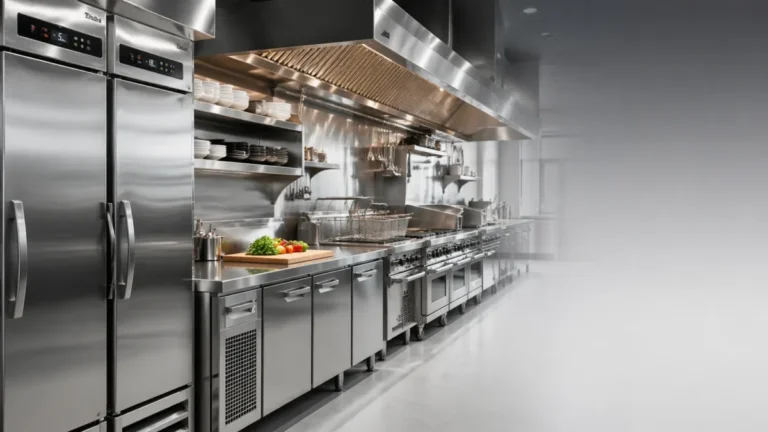
- Refrigeration (walk-ins, reach-ins, under-counter units)
- Cooking equipment (ovens, ranges, grills, fryers, steamers)
- Ventilation (hoods, exhaust fans, make-up air systems)
- Dishwashing (dish machines, booster heaters)
- Lighting (overhead, task lighting, signage)
- HVAC (heating, cooling, dehumidification)
- Small appliances (microwaves, coffee makers, blenders)
Next, record the age and condition of each piece of equipment. Older equipment is almost always less efficient, but even newer models can waste energy if they’re not properly maintained. For example, a 10-year-old walk-in freezer might be costing you hundreds of dollars a year in extra energy costs compared to a newer, Energy Star-rated model. Is it time for an upgrade? Maybe. But let’s not get ahead of ourselves.
Now, use your kill-a-watt meter to measure the energy use of each appliance during different times of the day. For example:
- How much energy does your oven use during preheating vs. cooking?
- How much energy does your refrigeration system use during peak hours vs. off-hours?
- Are there appliances running when they don’t need to be? (Spoiler: there probably are.)
Finally, compare your findings to your utility bills. Are there spikes in energy use that don’t align with your kitchen’s operations? That could be a sign of inefficiency or even equipment malfunction. For example, if your energy use spikes at 3 AM when the kitchen is closed, you might have a refrigeration unit that’s working overtime due to a faulty thermostat.
What to Do With Your Findings
Once you’ve gathered your data, it’s time to prioritize. Not all energy-saving opportunities are created equal. Some will have a big impact with minimal effort, while others might require more investment. Here’s how I’d approach it:
- Low-hanging fruit: These are quick, easy fixes that cost little to no money. Examples include adjusting thermostats, cleaning coils, or training staff to turn off equipment when not in use.
- Medium-effort improvements: These might require a small investment or a bit more time, like upgrading to LED lighting or installing timers on equipment.
- Long-term investments: These are bigger projects, like replacing old equipment with Energy Star-rated models or upgrading your ventilation system. They require more upfront cost but can pay off big in the long run.
I’ll dive deeper into each of these categories later in the guide. For now, just know that the goal of your audit is to create a roadmap for energy efficiency. It’s not about fixing everything at once; it’s about making smart, incremental changes that add up over time.
Step 2: Taming the Energy Hogs, The Biggest Culprits in Your Kitchen
Refrigeration: The Silent Energy Sucker
If there’s one piece of equipment that keeps me up at night (besides Luna’s 3 AM zoomies), it’s refrigeration. Walk-in coolers and freezers are running 24/7, 365 days a year. They’re the unsung heroes of your kitchen, but they’re also one of the biggest energy hogs. The good news? There are plenty of ways to make them more efficient without sacrificing performance.
First, let’s talk about temperature settings. The FDA recommends keeping refrigerators at or below 40°F (4°C) and freezers at 0°F (-18°C). But here’s the thing: every degree below that costs you money. For example, lowering your freezer temperature from 0°F to -10°F can increase energy use by up to 25%. That’s a lot of extra juice for no real benefit. So, check your thermostats and make sure they’re set to the minimum safe temperature. And while you’re at it, invest in a digital thermometer to monitor temperatures regularly. It’s a small investment that can save you big in the long run.
Next, door seals. If your walk-in’s door seals are worn or damaged, cold air is escaping, and warm air is getting in. That means your refrigeration system has to work harder to maintain the right temperature. Check the seals regularly for cracks, gaps, or signs of wear. If you can slip a piece of paper between the seal and the door, it’s time to replace it. It’s a cheap fix that can save you hundreds of dollars a year.
Then there’s coil maintenance. The coils on your refrigeration units (both the condenser and evaporator coils) are responsible for transferring heat. If they’re dirty or clogged, your system has to work harder to do its job. Clean the coils at least once a month using a coil brush or a vacuum. And while you’re at it, check the fans to make sure they’re running smoothly. A little maintenance goes a long way.
Finally, consider upgrading to Energy Star-rated equipment. If your refrigeration units are more than 10 years old, they’re probably costing you a fortune in energy costs. Newer models are designed to be more efficient, with features like better insulation, variable-speed compressors, and smart defrost cycles. Yes, there’s an upfront cost, but the payback period is often just a few years. And if you’re worried about the investment, look into rebates and incentives from your local utility company. Many offer cash back for upgrading to energy-efficient equipment.
Cooking Equipment: Where the Magic (and Energy Waste) Happens
Cooking equipment is where the real action happens in your kitchen, and where a lot of energy goes to waste. Ovens, ranges, grills, and fryers are all designed to generate heat, but that heat doesn’t always go where it’s supposed to. Here’s how to make sure it does.
First, let’s talk about preheating. How many times have you seen a chef preheat an oven for 30 minutes when the recipe only calls for 10? It’s a common habit, but it’s also a huge energy waster. The truth is, most modern ovens preheat in 10-15 minutes. If you’re preheating for longer than that, you’re just burning money. Train your staff to preheat only as long as necessary, and consider using a timer to keep them honest. And if you’re using a convection oven, remember that it preheats faster than a conventional oven, so adjust your timing accordingly.
Next, oven calibration. If your oven’s temperature is off by even a few degrees, it can affect cooking times and energy use. For example, an oven that’s running 25°F hotter than it should be will cook food faster, but it’ll also use more energy. Use an oven thermometer to check the temperature regularly, and recalibrate if necessary. It’s a quick fix that can save you money and improve food quality.
Then there’s idle time. How many times have you seen a range or grill left on when it’s not in use? It’s an easy habit to fall into, but it’s also a huge energy waster. Train your staff to turn off equipment when it’s not in use, even if it’s just for a few minutes. And if you’re worried about the hassle of turning things on and off, consider installing automatic shut-off timers on your equipment. They’re cheap, easy to install, and can save you a ton of energy.
Finally, let’s talk about fryers. They’re one of the most energy-intensive pieces of equipment in your kitchen, but they’re also one of the easiest to optimize. First, make sure you’re using the right amount of oil. Too much oil means more energy to heat it up, while too little can lead to uneven cooking. Second, keep the fryer clean. Built-up grease and food particles can reduce efficiency and even create a fire hazard. And third, consider upgrading to a high-efficiency fryer. Newer models use less energy, recover heat faster, and even have features like automatic filtration to extend oil life.
Ventilation: The Unsung Hero (and Energy Hog)
Ventilation systems are like the lungs of your kitchen. They keep the air clean, remove heat and smoke, and make sure your staff can breathe. But they’re also one of the biggest energy hogs in your kitchen. The good news? There are plenty of ways to make them more efficient without sacrificing performance.
First, let’s talk about hood design. The size and shape of your hood can have a big impact on energy use. A hood that’s too small won’t capture all the heat and smoke, while a hood that’s too large will pull in more air than necessary, wasting energy. Work with a ventilation specialist to make sure your hood is the right size for your kitchen. And while you’re at it, consider upgrading to a variable-speed hood. These hoods adjust their speed based on the amount of heat and smoke in the kitchen, which can save you a ton of energy.
Next, make-up air. Every time your hood pulls air out of the kitchen, it needs to be replaced with fresh air from outside. If your make-up air system isn’t working properly, your hood will have to work harder to do its job, wasting energy. Make sure your make-up air system is properly sized and maintained. And if you’re using a direct-fired make-up air unit, consider upgrading to a more efficient model. These units preheat the incoming air using the heat from your kitchen, which can save you a lot of energy.
Then there’s ductwork. If your ducts are dirty or clogged, your ventilation system has to work harder to move air, wasting energy. Clean your ducts regularly, and make sure they’re properly insulated to prevent heat loss. And if you’re using a demand-controlled ventilation system, make sure it’s calibrated correctly. These systems adjust the airflow based on the amount of heat and smoke in the kitchen, which can save you a ton of energy.
Finally, maintenance. Like any other piece of equipment, your ventilation system needs regular maintenance to run efficiently. Clean the filters regularly, check the fans for wear and tear, and make sure the belts are properly tensioned. A little maintenance goes a long way.
Step 3: Practical Energy-Saving Tips for Every Piece of Equipment
Refrigeration: Keep It Cool Without Breaking the Bank
We’ve already talked about the big stuff, temperature settings, door seals, coil maintenance, but there are plenty of other ways to make your refrigeration system more efficient. Here are a few more tips to keep in mind:
- Defrost regularly: Ice buildup on evaporator coils forces your refrigeration system to work harder. Defrost your walk-in freezer at least once a month, or invest in an automatic defrost system to do the job for you.
- Organize your walk-in: A well-organized walk-in isn’t just easier to navigate, it’s also more energy-efficient. Keep food away from the walls and ceiling to allow for better airflow, and make sure the doors aren’t blocked by boxes or other obstacles.
- Use night covers: If your walk-in has open shelving, consider using ight covers to keep the cold air in when the kitchen is closed. These covers are cheap, easy to install, and can save you a ton of energy.
- Upgrade to LED lighting: If your walk-in still uses incandescent or fluorescent lighting, consider upgrading to LEDs. They use less energy, last longer, and generate less heat, which means your refrigeration system doesn’t have to work as hard.
- Install strip curtains: If your walk-in has a high-traffic door, consider installing strip curtains to keep the cold air in. They’re cheap, easy to install, and can reduce energy use by up to 30%.
Cooking Equipment: Cook Smarter, Not Harder
Cooking equipment is where the real energy savings happen. Here are a few more tips to keep in mind:
- Use the right pot or pan: A pot or pan that’s too small for the burner wastes energy, while one that’s too large can take longer to heat up. Make sure you’re using the right size for the job.
- Cover your pots and pans: Covering your pots and pans while cooking can reduce energy use by up to 60%. It’s a simple trick, but it works.
- Use residual heat: Many dishes can be finished cooking using residual heat. For example, if you’re baking something in the oven, turn it off 10 minutes before the cooking time is up and let the residual heat do the rest.
- Batch cooking: If you’re cooking multiple items, try to batch them together. For example, if you’re baking multiple trays of cookies, bake them at the same time instead of one after the other. It’s more efficient and saves you time.
- Upgrade to induction: If you’re still using gas or electric ranges, consider upgrading to induction cooktops. They’re more energy-efficient, faster, and easier to clean. Plus, they don’t generate as much heat, which can reduce your cooling costs.
Ventilation: Breathe Easy Without Wasting Energy
Ventilation systems are often overlooked when it comes to energy efficiency, but they’re one of the biggest energy hogs in your kitchen. Here are a few more tips to keep in mind:
- Clean your filters regularly: Dirty filters reduce airflow, which forces your ventilation system to work harder. Clean your filters at least once a month, or more often if your kitchen is particularly greasy.
- Check your belts: If your ventilation system uses belts, check them regularly for wear and tear. A loose or worn belt can reduce efficiency and even cause the motor to overheat.
- Insulate your ducts: If your ducts aren’t properly insulated, they can lose a lot of heat, which forces your ventilation system to work harder. Insulate your ducts to prevent heat loss and improve efficiency.
- Upgrade to a demand-controlled system: If you’re still using a traditional ventilation system, consider upgrading to a demand-controlled system. These systems adjust the airflow based on the amount of heat and smoke in the kitchen, which can save you a ton of energy.
- Use natural ventilation: If your kitchen has windows or other openings, consider using natural ventilation to supplement your mechanical system. It’s not always possible, but when it is, it can save you a lot of energy.
Step 4: Staff Training, Because Energy Efficiency Starts with Your Team
Why Training Matters More Than You Think
Here’s the thing about energy efficiency: it’s not just about the equipment. It’s about the people using it. You can have the most energy-efficient kitchen in the world, but if your staff doesn’t know how to use it properly, you’re still wasting energy. That’s why staff training is so important. It’s not just about teaching your team how to use the equipment; it’s about changing their habits and mindset.
Now, I know what you’re thinking: “Sammy, I don’t have time to train my staff. I’ve got a business to run.” I get it. But here’s the thing: training doesn’t have to be a big, formal event. It can be as simple as a 10-minute huddle at the start of each shift, or a quick demonstration when new equipment is installed. The key is to make it ongoing and engaging. Energy efficiency shouldn’t be a one-time thing; it should be part of your kitchen’s culture.
How to Train Your Staff for Energy Efficiency
First, lead by example. If your staff sees you turning off equipment when it’s not in use, or adjusting thermostats to save energy, they’re more likely to do the same. It’s not about being a dictator; it’s about showing them that energy efficiency is a priority for the whole team.
Next, make it fun. Energy efficiency doesn’t have to be boring. Turn it into a game or a competition. For example, you could challenge your staff to see who can save the most energy in a week, with a prize for the winner. Or you could create a leaderboard to track energy use by shift, with the most efficient shift getting a bonus. The key is to make it engaging and rewarding.
Then, provide clear, simple instructions. Don’t overwhelm your staff with technical jargon. Instead, give them clear, actionable tips. For example:
- “Turn off the oven when it’s not in use.”
- “Preheat the oven for no longer than 15 minutes.”
- “Keep the walk-in door closed as much as possible.”
- “Clean the filters on the ventilation system once a week.”
Finally, reinforce the message. Training isn’t a one-time thing. It’s an ongoing process. Make energy efficiency a regular topic of conversation in your kitchen. For example, you could include a “energy tip of the week” in your staff meetings, or post reminders on the bulletin board. The key is to keep the message fresh and top of mind.
Common Mistakes to Avoid
When it comes to staff training, there are a few common mistakes to avoid:
- Assuming your staff already knows: Don’t assume that your staff knows how to use the equipment efficiently. Even experienced chefs can develop bad habits over time. Take the time to train them, even if they’ve been with you for years.
- Making it too complicated: Energy efficiency doesn’t have to be complicated. Keep your training simple and focused on the basics. The goal is to change habits, not to turn your staff into energy experts.
- Not following up: Training isn’t a one-time thing. Follow up with your staff regularly to make sure they’re still following the best practices. If you notice someone slipping, gently remind them of the importance of energy efficiency.
- Not rewarding good behavior: If your staff is doing a great job with energy efficiency, let them know. A little recognition can go a long way. For example, you could give out a “Energy Star” award each month to the most efficient staff member.
Step 5: The Future of Energy Efficiency, Smart Tech and Beyond
Why Smart Tech Is a Game-Changer
Let’s be real: the future of energy efficiency is smart tech. We’re talking about IoT-enabled equipment, AI-powered energy management systems, and real-time monitoring that can help you optimize your kitchen’s energy use like never before. Is it expensive? Sometimes. Is it worth it? Absolutely.
Here’s the thing about smart tech: it’s not just about saving energy. It’s about data. With smart equipment, you can track your energy use in real time, identify inefficiencies, and make adjustments on the fly. For example, a smart oven can tell you exactly how much energy it’s using during preheating vs. cooking, or a smart refrigeration system can alert you when it’s time to clean the coils. It’s like having a personal energy coach for your kitchen.
Now, I know what you’re thinking: “Sammy, I don’t have the budget for smart tech.” Fair enough. But here’s the thing: you don’t need to go all-in to see the benefits. Even small investments in smart tech can pay off big in the long run. For example, a smart thermostat for your walk-in freezer can cost as little as $100, but it can save you hundreds of dollars a year in energy costs. And if you’re worried about the upfront cost, look into rebates and incentives from your local utility company. Many offer cash back for upgrading to smart equipment.
Smart Tech to Consider for Your Kitchen
Here are a few smart tech options to consider for your kitchen:
- Smart thermostats: These devices can automatically adjust the temperature of your refrigeration units based on usage patterns, saving you energy and money. Some even have remote monitoring capabilities, so you can check on your units from your phone.
- Smart ovens: These ovens can be programmed to preheat at specific times, adjust cooking temperatures automatically, and even turn off when they’re not in use. Some models also have remote monitoring capabilities, so you can check on your food from anywhere.
- Smart ventilation systems: These systems use sensors to adjust the airflow based on the amount of heat and smoke in the kitchen, saving you energy and improving air quality. Some models even have remote monitoring capabilities, so you can check on your system from your phone.
- Energy management systems: These systems monitor your kitchen’s energy use in real time, identify inefficiencies, and suggest adjustments. Some models can even integrate with your existing equipment, so you don’t need to replace anything.
- Smart lighting: These systems use sensors to adjust the lighting based on occupancy and natural light levels, saving you energy and improving visibility. Some models can even be controlled from your phone.
The Bigger Picture: Sustainability and Beyond
Smart tech is just one piece of the puzzle. The future of energy efficiency is about sustainability-not just saving energy, but reducing waste, conserving water, and minimizing your kitchen’s environmental impact. Here are a few trends to keep an eye on:
- Renewable energy: More and more restaurants are installing solar panels or wind turbines to generate their own electricity. It’s a big investment, but it can pay off big in the long run.
- Water conservation: Water is another big energy hog in commercial kitchens. Look for ways to reduce water use, like installing low-flow faucets or using water-efficient dishwashers.
- Waste reduction: Food waste is a huge problem in the restaurant industry. Look for ways to reduce waste, like composting, donating excess food, or using a food waste tracking system to identify inefficiencies.
- Local sourcing: Sourcing ingredients locally isn’t just good for the environment, it’s also good for your bottom line. Local ingredients are often fresher, tastier, and cheaper than imported ones.
- Green certifications: More and more restaurants are getting certified by organizations like the Green Restaurant Association or LEED. These certifications can help you stand out from the competition and attract eco-conscious diners.
Putting It All Together: Your Energy-Saving Action Plan
Alright, let’s recap. We’ve covered a lot of ground in this guide, from the big-picture benefits of energy efficiency to the nitty-gritty details of optimizing every piece of equipment in your kitchen. Now, it’s time to put it all together into a simple, actionable plan. Here’s how I’d approach it:
- Start with an energy audit: Know your numbers before you make a move. Identify the biggest energy hogs in your kitchen and prioritize your efforts.
- Tackle the low-hanging fruit: Focus on quick, easy fixes first, like adjusting thermostats, cleaning coils, or training staff to turn off equipment when it’s not in use.
- Invest in medium-effort improvements: Once you’ve tackled the low-hanging fruit, move on to medium-effort improvements, like upgrading to LED lighting or installing timers on equipment.
- Plan for long-term investments: Finally, start planning for long-term investments, like replacing old equipment with Energy Star-rated models or upgrading your ventilation system.
- Train your staff: Energy efficiency starts with your team. Make it a priority, and reinforce the message regularly.
- Embrace smart tech: Look for ways to integrate smart tech into your kitchen, like smart thermostats, ovens, or energy management systems.
- Think beyond energy: Energy efficiency is just one piece of the puzzle. Look for ways to reduce waste, conserve water, and minimize your kitchen’s environmental impact.
Is this the *only* way to approach energy efficiency? Of course not. But it’s a damn good start, and it’s a plan that’s worked for countless restaurants around the world. The key is to take it one step at a time. You don’t need to do everything at once. Start small, build momentum, and before you know it, you’ll have a kitchen that’s more efficient, more sustainable, and more profitable.
And hey, if you ever feel overwhelmed, just remember: every little bit helps. Even something as simple as turning off a light or adjusting a thermostat can make a difference. It’s not about perfection; it’s about progress. So, take a deep breath, grab a cup of coffee (preferably from an energy-efficient machine), and get started. Your wallet, and the planet, will thank you.
FAQ: Your Burning Questions About Energy Efficiency in Commercial Kitchens
Q: How much can I really save by making my commercial kitchen more energy-efficient?
A: The savings can be significant. Depending on the size of your kitchen and the changes you make, you could save anywhere from 10% to 30% on your energy bills. For a mid-sized restaurant, that could mean $2,000 to $6,000 a year, or more if you’re running an older kitchen. And remember, energy efficiency isn’t just about saving money; it’s also about improving performance, reducing waste, and making your kitchen more sustainable.
Q: What’s the easiest way to start saving energy in my kitchen?
A: Start with the low-hanging fruit. Adjust your thermostats to the minimum safe temperature, clean your coils regularly, and train your staff to turn off equipment when it’s not in use. These are all quick, easy fixes that cost little to no money but can save you a ton of energy. Once you’ve tackled the basics, you can move on to more advanced strategies, like upgrading to Energy Star-rated equipment or installing smart tech.
Q: How do I know if my equipment is energy-efficient?
A: The easiest way to tell is to look for the Energy Star label. Energy Star-rated equipment meets strict energy efficiency guidelines set by the EPA and the Department of Energy. If your equipment doesn’t have the Energy Star label, it might still be efficient, but it’s worth doing some research to find out. You can also check the energy guide label on your equipment, which will tell you how much energy it uses compared to similar models.
Q: What are some common mistakes that waste energy in commercial kitchens?
A: There are plenty of common mistakes that waste energy in commercial kitchens. Here are a few to watch out for:
- Leaving equipment on when it’s not in use (e.g., ovens, ranges, grills).
- Preheating ovens for longer than necessary.
- Using the wrong size pot or pan for the burner.
- Not covering pots and pans while cooking.
- Ignoring maintenance (e.g., dirty coils, worn door seals, clogged filters).
- Overloading refrigeration units, which reduces airflow and forces the system to work harder.
- Not using timers or smart tech to automate energy-saving tasks.
The key is to be aware of these mistakes and take steps to avoid them. A little vigilance can go a long way.
@article{the-ultimate-guide-to-energy-saving-tips-for-commercial-kitchen-equipment-slash-costs-without-sacrificing-performance,
    title   = {The Ultimate Guide to Energy-Saving Tips for Commercial Kitchen Equipment: Slash Costs Without Sacrificing Performance},
    author  = {Chef's icon},
    year    = {2026},
    journal = {Chef's Icon},
    url     = {https://chefsicon.com/energy-saving-tips-commercial-kitchen-equipment-guide/}
}