The Best Fluffy Pancakes recipe you will fall in love with. Full of tips and tricks to help you make the best pancakes.
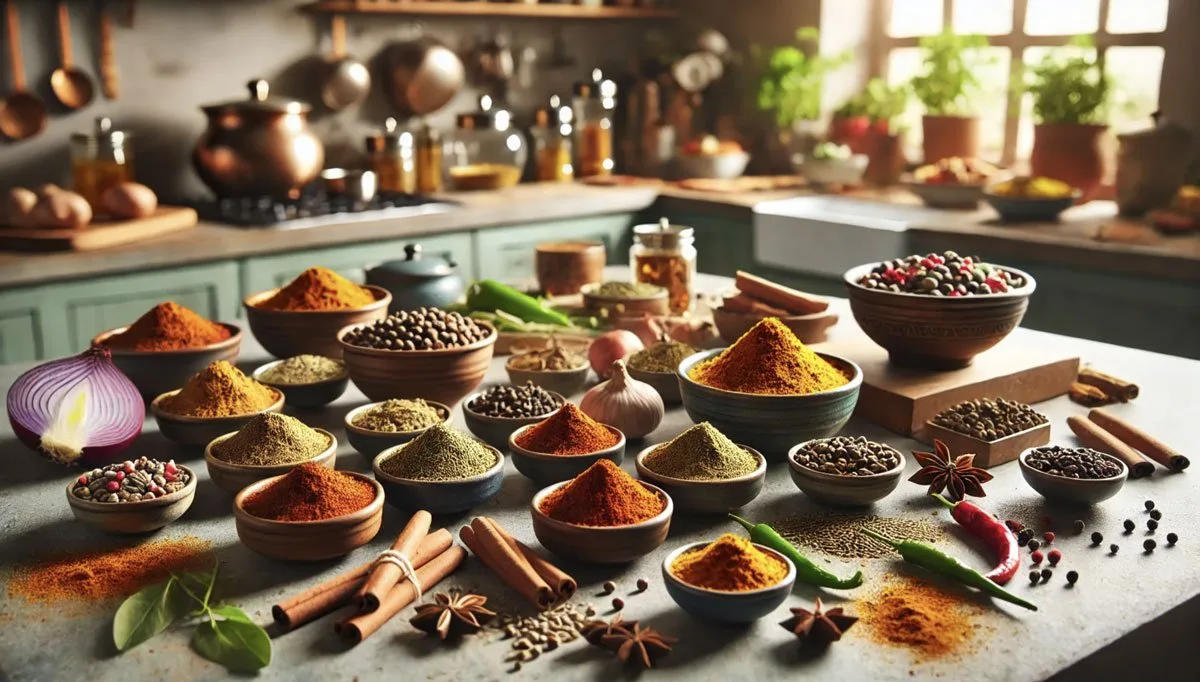
You ever stand in front of your spice rack, staring blankly like it’s a Rubik’s Cube you’ve never solved? I’ve been there, more times than I’d like to admit. Last week, I tried to jazz up a simple chicken breast with what I *thought* was a brilliant combo of turmeric and cayenne. Let’s just say Luna, my rescue cat, gave me that look, the one that says, “You’re an idiot.” The dish was edible, but it wasn’t good. It was like I’d thrown spices at the wall and hoped something stuck. That’s when I realized: pairing spices with proteins and vegetables isn’t just about throwing together what smells nice. It’s a dance. A science. An art. And if you get it wrong? Well, Luna’s judgmental glare is the least of your problems.
So, why does this matter? Because flavor is the soul of cooking. Whether you’re a home cook trying to impress your dinner guests or a professional chef looking to elevate your menu, understanding how to pair spices with proteins and vegetables can turn a bland meal into a masterpiece. And here’s the kicker: it’s not as complicated as it seems. You don’t need a degree in culinary arts or a pantry stocked with exotic spices from the far corners of the world. What you doeed is a little curiosity, a willingness to experiment, and a roadmap to guide you. That’s what this guide is for. By the end, you’ll know how to match spices to proteins and vegetables like a pro, no culinary school required.
Now, I’m not claiming to be the spice whisperer. Far from it. I’ve had my fair share of disasters (see: turmeric-chicken fiasco). But over the years, I’ve picked up a few tricks, talked to chefs, read way too many cookbooks, and, let’s be honest, eaten my way through enough meals to know what works and what doesn’t. So, let’s dive in. We’ll cover the basics, break down the science, and then get into the nitty-gritty of pairing spices with specific proteins and vegetables. And don’t worry, I’ll keep it real. No pretentious chef speak, no overly complicated techniques. Just practical, actionable advice that you can start using tonight.
The Foundations of Flavor Pairing
Why Spices Matter More Than You Think
Spices aren’t just about heat or color. They’re the backbone of flavor. Think of them like the supporting actors in a movie, they might not be the star, but without them, the whole thing falls flat. A well-paired spice can enhance the natural flavors of your protein or vegetable, add depth, balance richness, and even trick your brain into perceiving a dish as more complex than it is. Ever wonder why a simple grilled steak tastes so much better with a sprinkle of smoked paprika? That’s not magic. It’s science.
But here’s the thing: not all spices are created equal. Some are bold and assertive (looking at you, cumin and coriander), while others are subtle and nuanced (hello, cardamom and fennel). The key is understanding how these flavors interact with the proteins and vegetables you’re working with. For example, bold spices like cumin and chili powder pair well with hearty, fatty proteins like beef or lamb because their intensity can stand up to the richness. On the other hand, delicate spices like dill or tarragon are better suited for lighter proteins like fish or chicken, where you don’t want to overpower the natural flavor.
Is this making sense? I hope so. Because if there’s one thing I’ve learned, it’s that flavor pairing is equal parts intuition and knowledge. You don’t need to memorize every spice combination under the sun, but you doeed to understand the basic principles. Once you’ve got those down, the rest is just experimentation, and trust me, that’s the fun part.
The Science Behind Spice Pairings
Okay, let’s geek out for a second. Why do some spices work so well together while others clash like a bad karaoke duet? It all comes down to chemistry. Spices contain compounds that interact with the receptors on your tongue and in your nose, creating the flavors you perceive. Some of these compounds complement each other, while others compete for attention. For example, cinnamon contains cinnamaldehyde, which gives it that warm, sweet flavor. When paired with cloves, which contain eugenol, the two compounds create a harmonious blend that’s greater than the sum of its parts. That’s why you’ll find these spices together in everything from chai tea to mole sauce.
But it’s not just about the spices themselves. The proteins and vegetables you’re working with also play a huge role. Proteins, for instance, contain amino acids that can react with the compounds in spices during cooking. This is why marinating meat in spices (or even just rubbing them on the surface) can create deeper, more complex flavors. Vegetables, on the other hand, often have their own natural sugars and acids that can either enhance or mute the flavors of spices. Ever noticed how a pinch of sugar can make a tomato sauce taste even more vibrant? That’s not an accident. It’s chemistry in action.
So, what’s the takeaway here? Don’t just throw spices together and hope for the best. Think about how they’ll interact with your ingredients. Are you working with a fatty protein like pork? You’ll want spices that can cut through the richness, like mustard or rosemary. Dealing with a delicate vegetable like zucchini? Light, fresh spices like basil or mint will complement it better than something heavy like cumin. It’s all about balance.
Pairing Spices with Proteins: A Deep Dive
Chicken: The Blank Canvas of Proteins
Chicken is the Switzerland of proteins, neutral, adaptable, and willing to play nice with just about anything. But that doesn’t mean you should treat it like a flavorless afterthought. The key to spicing chicken is to enhance its natural mildness without overpowering it. Think of it like seasoning a blank canvas: you want to add color and depth, but you don’t want to drown out the beauty of the original.
So, what spices work best with chicken? Let’s start with the classics. Paprika is a no-brainer. It adds a subtle smokiness and a vibrant color that makes chicken look as good as it tastes. Garlic powder and onion powder are also staples, they add depth without overwhelming the dish. But don’t stop there. Chicken is incredibly versatile, so don’t be afraid to get creative. Turmeric can add a warm, earthy note (just don’t go overboard, unless you want your chicken to look like it’s been dipped in mustard). Cumin and coriander work beautifully in Middle Eastern or Indian-inspired dishes, while thyme and rosemary are perfect for a more European flair.
Here’s a pro tip: if you’re grilling or roasting chicken, try a dry rub. Mix together smoked paprika, brown sugar, garlic powder, onion powder, salt, and pepper, then rub it all over your chicken before cooking. The sugar will caramelize, creating a crispy, flavorful crust that’s hard to resist. And if you’re feeling adventurous, throw in a pinch of cayenne for a little heat. Just remember: chicken is forgiving, but it’s not invincible. Don’t drown it in spices, or you’ll end up with a dish that’s as confusing as my turmeric experiment.
Beef: The Bold and the Beautiful
Beef is the diva of the protein world, rich, bold, and unapologetically flavorful. It can handle heavy, intense spices that would overwhelm lighter proteins like chicken or fish. But that doesn’t mean you should just dump a bunch of chili powder on it and call it a day. The key to spicing beef is to complement its natural richness without competing with it. Think of it like pairing a bold red wine with a steak: you want something that stands up to the beef, not something that fights it.
So, what spices work best with beef? Black pepper is a classic for a reason, it adds a sharp, slightly spicy kick that cuts through the fat. Mustard powder is another great choice, especially for roasts or burgers. It adds a tangy depth that balances the richness of the meat. And if you’re going for a smoky flavor, smoked paprika or chipotle powder are your best friends. They add a deep, complex flavor that pairs beautifully with beef’s natural umami.
But let’s not forget about herbs. Rosemary and thyme are fantastic with beef, especially in slow-cooked dishes like stews or braises. They add a fresh, earthy note that lightens up the richness of the meat. And if you’re feeling adventurous, try star anise or fennel seeds. They add a subtle licorice-like flavor that works surprisingly well with beef, especially in Asian-inspired dishes. Just remember: beef is bold, so don’t be afraid to go big with your spices. But also, don’t go too big. You want to enhance the beef, not bury it.
I’m torn between recommending a simple Montreal steak seasoning (which is just a mix of coarse salt, pepper, garlic, coriander, and a few other spices) or something more complex like a coffee-chili rub. The Montreal seasoning is foolproof and works on just about anything, but the coffee-chili rub? That’s next-level stuff. The coffee adds a deep, bitter note that pairs beautifully with the sweetness of the beef, while the chili brings the heat. It’s a match made in flavor heaven. But maybe I should clarify: if you’re new to spicing beef, start with the basics. Master the classics before you start experimenting with coffee rubs. Trust me, your taste buds will thank you.
Pork: The Underrated Chameleon
Pork is the unsung hero of the protein world. It’s richer than chicken but milder than beef, making it the perfect canvas for a wide range of spices. The problem? Most people treat pork like it’s just a vehicle for barbecue sauce or apple sauce. Don’t get me wrong, those are great pairings. But pork is so much more versatile than that. It can handle bold spices like cumin and coriander, but it also plays well with delicate herbs like sage and rosemary. The key is to match the spice to the cut of pork you’re working with.
For example, pork chops are lean and mild, so they pair well with bright, fresh spices like lemon zest, thyme, or fennel. A simple rub of garlic powder, onion powder, salt, and pepper can work wonders, especially if you finish it with a squeeze of lemon. But if you’re working with a pork shoulder or ribs, you’ll want something bolder. Smoked paprika, cumin, and chili powder are all great choices, especially if you’re going for a barbecue-style dish. And if you’re feeling adventurous, try five-spice powder. It’s a blend of star anise, cloves, cinnamon, Sichuan peppercorns, and fennel seeds, and it adds a complex, slightly sweet flavor that pairs beautifully with pork.
Here’s a tip: if you’re roasting a pork loin, try a mustard-herb crust. Mix together Dijon mustard, dried thyme, rosemary, garlic, and a little honey, then slather it all over the pork before roasting. The mustard adds a tangy depth, while the herbs and honey caramelize in the oven, creating a crispy, flavorful crust. It’s simple, but it’s one of those dishes that makes people think you’re a culinary genius. And who doesn’t want that?
Fish: The Delicate Dance
Fish is the diva’s diva of the protein world. It’s delicate, finicky, and prone to falling apart if you so much as look at it wrong. But when you get it right? It’s magical. The key to spicing fish is to enhance its natural flavor without overpowering it. Think of it like seasoning a fine wine: you want to bring out the best in it, not mask it with something heavy or overpowering.
So, what spices work best with fish? It depends on the type of fish you’re working with. Lemon is a classic for a reason, it brightens up the flavor and cuts through any fishiness. But don’t stop there. Dill is another great choice, especially for salmon or trout. It adds a fresh, slightly sweet note that pairs beautifully with the richness of the fish. Paprika (especially smoked paprika) can add a subtle smokiness, while turmeric can give your fish a vibrant color and a warm, earthy flavor. Just be careful with turmeric, it’s potent, so a little goes a long way.
If you’re working with a mild white fish like cod or halibut, stick to light, fresh spices like parsley, chives, or tarragon. These herbs add a subtle flavor that won’t overpower the fish. But if you’re working with something richer like salmon or tuna, you can afford to be a little bolder. Cumin, coriander, and chili powder all work well, especially in dishes like fish tacos or grilled salmon. And if you’re feeling adventurous, try za’atar. It’s a Middle Eastern spice blend made with sesame seeds, sumac, and thyme, and it adds a tangy, nutty flavor that’s perfect for fish.
Here’s a pro tip: if you’re grilling fish, try a spice paste. Mix together garlic, ginger, lemongrass, cilantro, and a little fish sauce, then rub it all over the fish before grilling. The paste will create a flavorful crust that keeps the fish moist and adds a ton of flavor. And if you’re baking fish, try a herb butter. Mix together softened butter, lemon zest, dill, and a little salt, then dot it over the fish before baking. It’s simple, but it’s one of those tricks that makes fish taste restaurant-quality.
Lamb: The Bold and the Flavorful
Lamb is the protein equivalent of a bold red wine, rich, complex, and not for the faint of heart. It’s got a strong, gamey flavor that can be polarizing, but when you get it right, it’s one of the most delicious things you’ll ever eat. The key to spicing lamb is to complement its natural richness without competing with it. Think of it like pairing a bold cheese with a robust wine: you want something that stands up to the lamb, not something that gets lost in it.
So, what spices work best with lamb? Rosemary is a classic for a reason, it adds a piney, earthy note that pairs beautifully with the richness of the meat. Garlic is another great choice, especially in dishes like lamb chops or leg of lamb. It adds a sharp, pungent flavor that cuts through the fat. And if you’re going for a Middle Eastern or Mediterranean vibe, cumin, coriander, and cinnamon are all fantastic. They add a warm, earthy depth that complements the lamb’s natural flavor.
But don’t stop there. Lamb is incredibly versatile, so don’t be afraid to get creative. Mint is a classic pairing, especially in dishes like lamb kebabs or mint jelly. It adds a fresh, bright note that balances the richness of the meat. Sumac is another great choice, it adds a tangy, citrusy flavor that works surprisingly well with lamb. And if you’re feeling adventurous, try harissa. It’s a North African chili paste made with roasted red peppers, garlic, and spices, and it adds a smoky, spicy kick that’s perfect for lamb.
Here’s a tip: if you’re roasting a leg of lamb, try a garlic-rosemary rub. Mix together minced garlic, chopped rosemary, olive oil, salt, and pepper, then rub it all over the lamb before roasting. The garlic and rosemary will infuse the meat with flavor, while the olive oil will help create a crispy, golden crust. And if you’re grilling lamb chops, try a za’atar marinade. Mix together za’atar, olive oil, lemon juice, and a little honey, then let the chops marinate for at least an hour before grilling. It’s simple, but it’s one of those dishes that makes people think you’re a pro.
Pairing Spices with Vegetables: The Unsung Heroes
Leafy Greens: The Delicate Balance
Leafy greens like spinach, kale, and Swiss chard are the wallflowers of the vegetable world. They’re packed with nutrients, but they’re often overlooked because they’re not as flashy as something like roasted Brussels sprouts or caramelized carrots. The key to spicing leafy greens is to enhance their natural flavor without overpowering them. Think of it like seasoning a delicate white wine: you want to bring out the best in it, not mask it with something heavy.
So, what spices work best with leafy greens? Garlic is a classic for a reason, it adds a sharp, pungent flavor that pairs beautifully with the mildness of the greens. Lemon zest is another great choice, especially for spinach or kale. It adds a bright, citrusy note that cuts through the bitterness. And if you’re feeling adventurous, try nutmeg. It adds a warm, slightly sweet flavor that works surprisingly well with greens, especially in dishes like creamed spinach or sautéed kale.
But don’t stop there. Leafy greens are incredibly versatile, so don’t be afraid to get creative. Red pepper flakes can add a little heat, while smoked paprika can add a subtle smokiness. And if you’re going for a Mediterranean vibe, oregano and thyme are both fantastic. They add a fresh, earthy note that pairs beautifully with the greens. Just remember: leafy greens are delicate, so don’t go overboard with the spices. You want to enhance their flavor, not bury it.
Here’s a tip: if you’re sautéing greens, try a garlic-lemon finish. Sauté the greens in a little olive oil until they’re wilted, then add minced garlic and lemon zest at the end. The garlic will infuse the greens with flavor, while the lemon zest will add a bright, fresh note. And if you’re making a salad, try a mustard vinaigrette. Mix together Dijon mustard, olive oil, lemon juice, and a little honey, then toss it with your greens. It’s simple, but it’s one of those dressings that makes salads taste restaurant-quality.
Root Vegetables: The Hearty Companions
Root vegetables like carrots, sweet potatoes, and beets are the comfort food of the vegetable world. They’re hearty, sweet, and filling, and they pair well with a wide range of spices. The key to spicing root vegetables is to complement their natural sweetness without overpowering it. Think of it like seasoning a rich, creamy soup: you want to add depth and complexity, but you don’t want to drown out the natural flavor of the vegetables.
So, what spices work best with root vegetables? Cinnamon is a classic for a reason, it adds a warm, sweet note that pairs beautifully with the natural sweetness of the vegetables. Nutmeg is another great choice, especially for dishes like mashed sweet potatoes or roasted carrots. It adds a warm, slightly nutty flavor that complements the sweetness. And if you’re going for a savory dish, cumin and coriander are both fantastic. They add a warm, earthy depth that balances the sweetness of the vegetables.
But don’t stop there. Root vegetables are incredibly versatile, so don’t be afraid to get creative. Smoked paprika can add a subtle smokiness, while turmeric can give your vegetables a vibrant color and a warm, earthy flavor. And if you’re feeling adventurous, try ginger. It adds a spicy, slightly sweet note that works surprisingly well with root vegetables, especially in dishes like roasted carrots or mashed sweet potatoes.
Here’s a tip: if you’re roasting root vegetables, try a honey-cinnamon glaze. Toss the vegetables in olive oil, honey, cinnamon, salt, and pepper, then roast them in the oven until they’re caramelized and tender. The honey will caramelize in the oven, creating a crispy, flavorful crust, while the cinnamon will add a warm, sweet note. And if you’re making mashed sweet potatoes, try a brown sugar-nutmeg topping. Mix together brown sugar, nutmeg, and a little butter, then sprinkle it over the mashed sweet potatoes before baking. It’s simple, but it’s one of those dishes that makes people think you’re a pro.
Cruciferous Vegetables: The Bold and the Beautiful
Cruciferous vegetables like broccoli, cauliflower, and Brussels sprouts are the bold, assertive members of the vegetable family. They’ve got a strong, slightly bitter flavor that can be polarizing, but when you get them right, they’re one of the most delicious things you’ll ever eat. The key to spicing cruciferous vegetables is to balance their bitterness with something sweet, smoky, or spicy. Think of it like seasoning a bold, robust cheese: you want something that stands up to the vegetables, not something that gets lost in them.
So, what spices work best with cruciferous vegetables? Garlic is a classic for a reason, it adds a sharp, pungent flavor that pairs beautifully with the bitterness of the vegetables. Lemon zest is another great choice, especially for dishes like roasted broccoli or sautéed Brussels sprouts. It adds a bright, citrusy note that cuts through the bitterness. And if you’re going for a smoky flavor, smoked paprika or chipotle powder are both fantastic. They add a deep, complex flavor that pairs beautifully with the vegetables’ natural bitterness.
But don’t stop there. Cruciferous vegetables are incredibly versatile, so don’t be afraid to get creative. Cumin and coriander can add a warm, earthy depth, while turmeric can give your vegetables a vibrant color and a warm, earthy flavor. And if you’re feeling adventurous, try curry powder. It’s a blend of spices like turmeric, cumin, coriander, and fenugreek, and it adds a complex, slightly spicy flavor that works surprisingly well with cruciferous vegetables.
Here’s a tip: if you’re roasting Brussels sprouts, try a balsamic glaze. Toss the sprouts in olive oil, salt, and pepper, then roast them in the oven until they’re crispy and golden. Drizzle them with balsamic glaze and a sprinkle of Parmesan cheese before serving. The balsamic glaze adds a sweet, tangy note that balances the bitterness of the sprouts, while the Parmesan adds a salty, umami depth. And if you’re making roasted cauliflower, try a curry-spice rub. Mix together curry powder, turmeric, cumin, coriander, salt, and pepper, then toss the cauliflower in the mixture before roasting. It’s simple, but it’s one of those dishes that makes people think you’re a culinary genius.
Alliums: The Flavor Powerhouses
Alliums like onions, garlic, and shallots are the unsung heroes of the vegetable world. They’re not flashy or colorful, but they’re packed with flavor, and they’re the backbone of countless dishes. The key to spicing alliums is to enhance their natural pungency without overpowering it. Think of it like seasoning a bold, robust sauce: you want to add depth and complexity, but you don’t want to drown out the natural flavor of the alliums.
So, what spices work best with alliums? Paprika is a classic for a reason, it adds a subtle smokiness and a vibrant color that makes alliums look as good as they taste. Cumin is another great choice, especially for dishes like caramelized onions or sautéed garlic. It adds a warm, earthy depth that complements the pungency of the alliums. And if you’re going for a Mediterranean vibe, oregano and thyme are both fantastic. They add a fresh, earthy note that pairs beautifully with the alliums.
But don’t stop there. Alliums are incredibly versatile, so don’t be afraid to get creative. Red pepper flakes can add a little heat, while turmeric can give your alliums a vibrant color and a warm, earthy flavor. And if you’re feeling adventurous, try five-spice powder. It’s a blend of star anise, cloves, cinnamon, Sichuan peppercorns, and fennel seeds, and it adds a complex, slightly sweet flavor that works surprisingly well with alliums, especially in Asian-inspired dishes.
Here’s a tip: if you’re caramelizing onions, try a balsamic vinegar finish. Cook the onions low and slow in a little olive oil until they’re golden and sweet, then add a splash of balsamic vinegar at the end. The vinegar will add a tangy depth that balances the sweetness of the onions. And if you’re making garlic bread, try a herb butter. Mix together softened butter, minced garlic, chopped parsley, and a little salt, then spread it on the bread before toasting. It’s simple, but it’s one of those tricks that makes garlic bread taste restaurant-quality.
Putting It All Together: Practical Tips for Spice Pairing
Start Simple, Then Experiment
I get it. You’re excited. You’ve got a pantry full of spices, and you want to use them all. But here’s the thing: if you’re new to spice pairing, it’s best to start simple. Master the basics before you start experimenting with complex blends. For example, if you’re cooking chicken, start with a simple rub of salt, pepper, garlic powder, and paprika. Once you’ve got that down, you can start adding other spices like cumin, coriander, or thyme. The same goes for vegetables. If you’re roasting carrots, start with a simple toss of olive oil, salt, and pepper. Once you’ve got that down, you can start adding spices like cinnamon, nutmeg, or ginger.
Why start simple? Because it’s easy to get overwhelmed. There are so many spices out there, and it’s tempting to try them all at once. But if you do that, you’ll end up with a dish that’s confusing and muddled. Think of it like learning to play an instrument. You don’t start with a complex symphony. You start with a simple scale. Master the basics, then build from there.
And don’t be afraid to fail. I’ve had my fair share of spice disasters (see: turmeric-chicken experiment). But every failure is a learning opportunity. So, start simple, then experiment. Try new spices, new blends, new techniques. The worst that can happen is you’ll end up with a dish that’s not quite right. But the best that can happen? You’ll discover a new favorite flavor combination.
Balance Is Key
When it comes to spice pairing, balance is everything. You don’t want a dish that’s too sweet, too spicy, too salty, or too bitter. You want a dish that’s harmonious, a symphony of flavors where each spice plays its part without overpowering the others. So, how do you achieve balance? It’s all about understanding the basic flavor profiles: sweet, salty, sour, bitter, and umami.
For example, if you’re making a dish that’s too sweet, you can balance it with something sour or bitter. A squeeze of lemon juice or a sprinkle of sumac can cut through the sweetness and add a bright, tangy note. If a dish is too spicy, you can balance it with something sweet or creamy. A drizzle of honey or a dollop of yogurt can tame the heat and add a soothing element. And if a dish is too salty, you can balance it with something acidic or sweet. A splash of vinegar or a pinch of sugar can help neutralize the saltiness.
But balance isn’t just about fixing mistakes. It’s also about creating harmony. For example, if you’re making a rich, fatty dish like braised beef, you’ll want to balance the richness with something bright and fresh. A sprinkle of parsley or a squeeze of lemon juice can add a pop of color and a burst of flavor that cuts through the fat. And if you’re making a light, delicate dish like grilled fish, you’ll want to balance the mildness with something bold and flavorful. A rub of smoked paprika or a drizzle of harissa can add depth and complexity without overpowering the fish.
Is this making sense? I hope so. Because balance is the secret to great cooking. It’s what separates a good dish from a great one. And the best part? It’s not as complicated as it seems. Once you understand the basic flavor profiles, you can start experimenting with different combinations. And don’t be afraid to trust your instincts. If something tastes off, it probably is. But if it tastes good? That’s a win.
Don’t Forget the Herbs
When we talk about spices, we often forget about herbs. But herbs are just as important as spices when it comes to flavor pairing. They add freshness, brightness, and complexity to dishes, and they can take a simple meal from good to great. So, don’t overlook them. Whether you’re using fresh herbs like basil, cilantro, or parsley, or dried herbs like oregano, thyme, or rosemary, they can make a huge difference in your cooking.
For example, if you’re making a simple pasta dish, a sprinkle of fresh basil or parsley can add a pop of color and a burst of flavor. If you’re grilling chicken, a rub of dried oregano and thyme can add a fresh, earthy note. And if you’re roasting vegetables, a sprinkle of fresh rosemary or thyme can add a piney, aromatic depth. The key is to match the herb to the dish. Delicate herbs like basil and cilantro work well with lighter dishes, while robust herbs like rosemary and thyme are better suited for heartier dishes.
Here’s a tip: if you’re using fresh herbs, add them at the end of cooking. Heat can mute their flavor, so you want to add them just before serving to preserve their freshness. And if you’re using dried herbs, add them at the beginning of cooking. They need time to rehydrate and release their flavor, so adding them early will give them a chance to infuse the dish with their aroma.
And don’t be afraid to get creative. Herbs aren’t just for garnish. They can be the star of the show. For example, if you’re making a salad, try a herb vinaigrette. Blend together fresh herbs, olive oil, vinegar, and a little honey, then drizzle it over your greens. It’s simple, but it’s one of those dressings that makes salads taste restaurant-quality. Or if you’re making a soup, try a herb pesto. Blend together fresh basil, garlic, Parmesan cheese, and olive oil, then swirl it into your soup before serving. It’s a game-changer.
Final Thoughts: The Journey to Flavor Mastery
So, there you have it. A comprehensive guide to pairing spices with proteins and vegetables. It’s a lot to take in, I know. But here’s the thing: you don’t need to memorize every spice combination under the sun. You don’t need to be a culinary genius. You just need to understand the basic principles, trust your instincts, and be willing to experiment. And remember, every failure is a learning opportunity. Even my turmeric-chicken disaster taught me something: sometimes, less is more.
Now, I’m not going to lie. This journey isn’t always easy. There will be times when you’ll stare at your spice rack, completely overwhelmed. There will be times when you’ll throw together a spice blend that sounds amazing in your head, only to take one bite and realize it’s a disaster. And there will be times when you’ll wonder if you’ll ever get it right. But here’s the thing: that’s all part of the process. Cooking is as much about the journey as it is about the destination. And the more you experiment, the more you’ll learn, and the better you’ll get.
So, what’s next? Start small. Pick one protein and one vegetable, and experiment with different spice pairings. Try a simple rub on your chicken, or toss your carrots with a new spice blend. And don’t be afraid to fail. Because every failure brings you one step closer to success. And who knows? Maybe one day, you’ll create a spice pairing so amazing that even Luna will approve.
FAQ
Q: What’s the best way to store spices to keep them fresh?
A: Great question! Spices lose their potency over time, so it’s important to store them properly. Keep them in a cool, dark place, like a pantry or a cupboard, away from heat and light. And if you can, store them in airtight containers. Glass jars with tight-fitting lids are ideal. Also, try to buy spices in small quantities. It’s tempting to stock up, but spices lose their flavor after about six months to a year. So, buy what you need, and replace them regularly. And whatever you do, don’t store them above your stove. The heat and moisture will cause them to lose their flavor even faster.
Q: Can I use dried herbs instead of fresh, and vice versa?
A: You can, but there are a few things to keep in mind. Dried herbs are more concentrated than fresh, so you’ll need to use less. A good rule of thumb is to use one-third the amount of dried herbs as you would fresh. For example, if a recipe calls for 1 tablespoon of fresh thyme, you’d use 1 teaspoon of dried thyme. Also, dried herbs need time to rehydrate and release their flavor, so add them at the beginning of cooking. Fresh herbs, on the other hand, are more delicate, so add them at the end to preserve their flavor. And finally, not all herbs are created equal. Some herbs, like basil and cilantro, lose a lot of their flavor when dried, so they’re best used fresh. Others, like oregano and thyme, hold up well when dried, so they’re great for long-cooked dishes.
Q: How do I know if a spice has gone bad?
A: Spices don’t technically go bad, but they do lose their flavor over time. So, how do you know if a spice is past its prime? The easiest way is to use your senses. First, take a whiff. If the spice doesn’t smell like much, it’s probably lost its potency. Next, take a look. If the spice has lost its color, like if your paprika is more brown than red, it’s probably time to replace it. And finally, taste it. If the spice doesn’t have much flavor, it’s time to toss it. As a general rule, whole spices last longer than ground spices. Whole spices can last up to four years, while ground spices typically last about two to three years. But again, it’s best to buy spices in small quantities and replace them regularly to ensure maximum flavor.
Q: What’s the difference between a spice rub and a marinade?
A: Great question! A spice rub is a dry mixture of spices that you rub onto the surface of meat, fish, or vegetables before cooking. It’s great for adding flavor and creating a crispy crust, especially on grilled or roasted dishes. A marinade, on the other hand, is a liquid mixture, usually made with oil, acid (like vinegar or citrus juice), and spices, that you soak your protein or vegetables in before cooking. Marinades are great for adding flavor and tenderizing meat, but they can also make the surface of the meat too soft if you marinate it for too long. So, which one should you use? It depends on what you’re cooking. For quick-cooking proteins like chicken breasts or fish fillets, a spice rub is usually the way to go. For tougher cuts of meat like beef or pork, a marinade can help tenderize the meat and add flavor. And for vegetables, a spice rub is usually sufficient, but a quick marinade can add extra flavor, especially if you’re grilling or roasting.
@article{the-art-and-science-of-pairing-spices-with-proteins-and-vegetables-a-chefs-guide-to-flavor-harmony,
    title   = {The Art and Science of Pairing Spices with Proteins and Vegetables: A Chef’s Guide to Flavor Harmony},
    author  = {Chef's icon},
    year    = {2026},
    journal = {Chef's Icon},
    url     = {https://chefsicon.com/pairing-spices-with-different-proteins-and-vegetables/}
}