The Best Fluffy Pancakes recipe you will fall in love with. Full of tips and tricks to help you make the best pancakes.
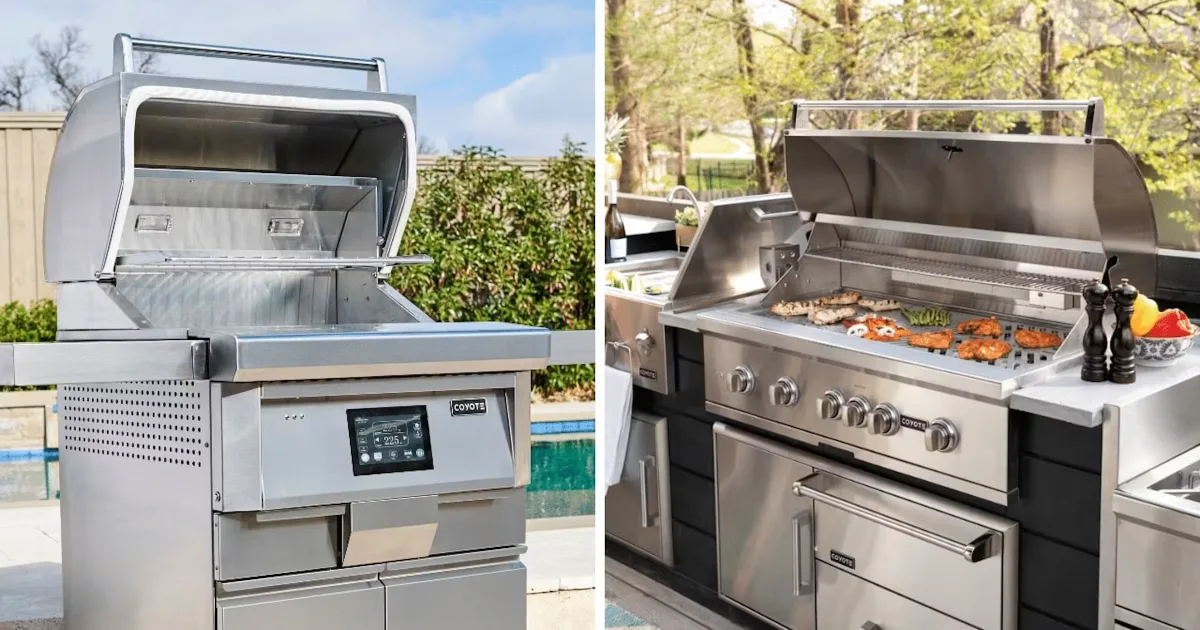
Let me set the scene: It’s a crisp Saturday morning in Nashville, the kind where the air smells like rain and distant barbecue smoke. Luna, my rescue cat, is curled up on the patio chair next to me, tail flicking lazily as I stare at the three pellet grills lined up in my backyard like contestants on a cooking show. There’s a Traeger, a Camp Chef, and a Green Mountain, each one promising the perfect low-and-slow brisket, the crispiest chicken skin, or the juiciest ribs. But here’s the thing: I’ve spent the last month testing these things like a mad scientist, and I’m still not entirely sure which one I’d pick if I had to choose just one. And that’s the problem, isn’t it? With so many options, how do you decide?
I get it. You’re standing in the aisle of your local hardware store, or maybe you’re scrolling through pages of online reviews, and every pellet grill out there seems to claim it’s the best. The “set it and forget it” convenience. The “wood-fired flavor without the hassle.” The “perfect for beginners and pros alike.” But let’s be real, some of these grills are built like tanks, while others feel like they might give up after a few uses. Some have features that make you feel like a tech genius, and others are so simple they border on boring. So, which one is actually worth your hard-earned cash? That’s what I’m here to figure out. Or at least, that’s what I’m *trying* to figure out. Maybe by the end of this, I’ll have an answer. Maybe you will too.
In this guide, I’m breaking down the top pellet grills of 2026, comparing them on everything from build quality and temperature control to ease of use and value for money. I’ll tell you which ones impressed me, which ones left me scratching my head, and which ones made me question why I ever thought I could be a grill master. By the end, you’ll have a clearer idea of what matters most to *you*-whether that’s precision, durability, or just not having to babysit your food for hours. And hey, if nothing else, you’ll at least know which grill to avoid if you don’t want to end up with a brisket that tastes like it was cooked in a toaster oven.
So, grab a cup of coffee (or a beer, no judgment here), and let’s dive in. This is the pellet grill showdown you’ve been waiting for.
The Pellet Grill Revolution: Why Everyone’s Obsessed
What Even Is a Pellet Grill, Anyway?
Okay, let’s start with the basics because I know not everyone is as deep into this world as I’ve become. A pellet grill is essentially an outdoor cooker that uses compressed wood pellets as fuel. You load the pellets into a hopper, they get fed into a firepot by an auger, and a fan circulates the heat and smoke around your food. It’s like a smoker, an oven, and a grill had a baby, and that baby was raised by a robot. The result? You get wood-fired flavor without needing to tend to a fire every 20 minutes like you would with a traditional smoker. Sounds too good to be true, right? Well, kind of. Because while pellet grills are *incredibly* convenient, they’re not all created equal. Some are finicky, some are overpriced, and some just don’t deliver on that promise of “set it and forget it.”
I remember the first time I used a pellet grill. It was a hand-me-down Traeger from a friend, and I was skeptical. I’d spent years swearing by my charcoal grill, convinced that real barbecue required suffering, blistered fingers, ash-covered clothes, and the occasional near-death experience when the wind shifted. But that first brisket? It came out tender, smoky, and *perfectly* cooked, all while I sipped a beer and pretended to understand football. I was hooked. But here’s the thing: not all pellet grills are that forgiving. Some require a PhD in thermodynamics to get right, while others are so simple they feel like cheating. So, what’s the difference? Let’s break it down.
Why Pellet Grills Are Taking Over Backyards (and Instagram)
There are a few reasons pellet grills have exploded in popularity over the last few years. First, there’s the convenience factor. If you’ve ever spent a Saturday babysitting a smoker, adjusting vents, adding charcoal, and praying the temperature doesn’t spike, you know how exhausting it can be. Pellet grills take a lot of that work off your hands. You set the temperature, walk away, and come back to food that’s actually cooked. It’s like having a sous chef who never complains about the heat.
Second, there’s the versatility. Most pellet grills can smoke, grill, bake, roast, and even braise. Want to smoke a brisket low and slow? Done. Craving a pizza with a crispy wood-fired crust? Easy. Need to bake a batch of cookies for some reason? Sure, why not. This versatility makes pellet grills appealing to both beginners and experienced cooks. You don’t need a separate smoker, grill, and oven, just one machine that does it all. Well, *almost* all. More on that later.
Third, there’s the flavor. Wood pellets come in a variety of flavors, hickory, mesquite, apple, cherry, pecan, and each one imparts a slightly different taste to your food. It’s not as intense as cooking over lump charcoal or logs, but it’s a hell of a lot more convenient. And for a lot of people, that trade-off is worth it. I’ll admit, I was a purist at first. “Real barbecue comes from wood and wood alone,” I’d grumble, while my pellet grill hummed away in the background, doing its thing. But after a few too many perfect ribs, I had to eat my words (and a lot of brisket).
But here’s where things get tricky. Not all pellet grills are created equal, and the market is flooded with options. Some are built like tanks and will last you a decade. Others feel like they’re made of tinfoil and might not survive their first winter. Some have Wi-Fi connectivity and apps that let you monitor your cook from the couch, while others are so low-tech you’ll feel like you’re cooking on a relic from the 1990s. So, how do you choose? That’s what this showdown is all about.
The Contenders: Breaking Down the Top Pellet Grills of 2026
Alright, let’s get into the nitty-gritty. I’ve tested a bunch of pellet grills over the last few months, and I’m narrowing it down to the top five models that stood out. These aren’t just the most popular grills, they’re the ones that impressed me with their performance, build quality, and overall value. I’ll give you the pros, the cons, and the moments when I wanted to throw them into the nearest dumpster. Because let’s be honest, no grill is perfect, and sometimes the flaws are just as important as the strengths.
1. Traeger Pro 780: The King of Consistency (But Is It Overrated?)
Traeger is the name that started it all. They invented the pellet grill back in the 1980s, and for a long time, they were the only game in town. The Traeger Pro 780 is one of their mid-range models, and it’s a solid choice if you want something reliable without breaking the bank. But is it *the best*? That’s debatable.
First, the good stuff. The build quality is excellent. The Pro 780 has a heavy-duty steel construction with a powder-coated finish that holds up well against the elements. The grill grates are porcelain-coated, which makes them easy to clean and resistant to rust. And the temperature control is pretty darn good. Traeger’s D2 Direct Drive system is a step up from their older models, and it does a great job of maintaining consistent temps. I smoked a brisket on this thing at 225°F for 12 hours, and the temperature never fluctuated more than a few degrees. That’s impressive.
Another thing I love about the Pro 780 is the ease of use. Traeger’s interface is simple and intuitive. You set the temperature, and the grill does the rest. No fussing with vents or adjusting the fire. And if you’re into tech, the WiFIRE connectivity lets you control the grill from your phone. You can adjust the temperature, set timers, and even get notifications when your food is done. It’s a nice feature, especially if you’re the kind of person who likes to multitask (or nap) while your food cooks.
But here’s where things get a little shaky. The Pro 780 is expensive. Like, *really* expensive for what you get. You’re paying a premium for the Traeger name, and while the grill is good, it’s not *that* much better than some of the competition. For example, the Camp Chef Woodwind offers similar features for a lower price, and it has a few extras that the Traeger lacks (like a sear box and better smoke control).
Another issue? The smoke flavor. Traeger grills are known for producing a milder smoke flavor compared to some other pellet grills. That’s not necessarily a bad thing, some people prefer a subtler taste, but if you’re looking for that bold, in-your-face smokiness, you might be disappointed. I found that the Pro 780 does a decent job, but it’s not going to blow you away. If smoke flavor is your top priority, you might want to look elsewhere.
Finally, there’s the customer service. Traeger has a reputation for being hit or miss. Some people rave about their support, while others have horror stories about grills breaking down and taking months to get replacement parts. I didn’t have any issues with mine, but it’s something to keep in mind. If you’re the type of person who likes to tinker and fix things yourself, this might not be a dealbreaker. But if you want a grill that’s going to be hassle-free, it’s worth considering.
So, is the Traeger Pro 780 worth it? It’s a great grill, no doubt about it. But it’s also overpriced for what you get. If you’re a Traeger loyalist or you just want something reliable and easy to use, it’s a solid choice. But if you’re looking for the best value or the most features, you might want to keep shopping.
2. Camp Chef Woodwind WiFi 36: The Best All-Around Performer?
If the Traeger Pro 780 is the safe bet, the Camp Chef Woodwind WiFi 36 is the grill that makes you question why you ever considered anything else. This thing is a beast, and it’s packed with features that make it one of the most versatile pellet grills on the market. But does it live up to the hype? Let’s find out.
First off, the build quality is outstanding. The Woodwind is made of thick, heavy-duty steel, and it feels like it could survive a zombie apocalypse. The grill grates are stainless steel, which means they’re durable, easy to clean, and resistant to rust. And the hopper capacity is a whopping 22 pounds, which is more than enough for a full day of smoking. I cooked a 15-pound brisket on this thing, and I didn’t have to refill the pellets once. That’s a win in my book.
But where the Woodwind really shines is its features. This grill has everything. Let’s start with the smoke control. Camp Chef’s Gen 2 PID controller is one of the best on the market, and it gives you precise temperature control down to the degree. You can set it to smoke mode for maximum flavor, or you can dial in the exact temperature you want for grilling, baking, or roasting. And if you’re into cold smoking, the Woodwind has a cold smoke attachment that lets you smoke cheese, fish, or even butter without cooking it. How cool is that?
Another standout feature is the sear box. Most pellet grills struggle with high-heat searing because they’re designed for low-and-slow cooking. But the Woodwind has a propane-powered sear box that lets you crank the heat up to 900°F. I used it to sear a steak, and it came out with a perfect crust and a juicy interior. It’s not quite as good as a charcoal grill, but it’s damn close. And the best part? You can use the sear box and the pellet grill at the same time, so you can smoke a brisket and sear a steak without missing a beat.
Then there’s the WiFi connectivity. Like the Traeger, the Woodwind lets you control the grill from your phone. But Camp Chef’s app is way better. It’s more intuitive, it has more features, and it’s just plain easier to use. You can adjust the temperature, set timers, and even get alerts when your food is done. And if you’re into data, the app tracks your cooks so you can see how long you spent at each temperature. It’s like having a personal grilling assistant in your pocket.
But the Woodwind isn’t perfect. For one, it’s big. Like, *really* big. If you have a small patio or limited space, this might not be the grill for you. It’s also heavy, so moving it around isn’t easy. And while the sear box is a great feature, it’s an extra cost. You have to buy the propane tank and the sear box attachment separately, which adds to the overall price.
Speaking of price, the Woodwind isn’t cheap. It’s more expensive than the Traeger Pro 780, but it’s also packed with more features. So, is it worth it? If you’re serious about grilling and smoking, absolutely. This is the kind of grill that makes you want to cook every weekend. It’s versatile, it’s well-built, and it just plain works. If you’re on a budget, it might be a stretch, but if you can afford it, it’s a fantastic investment.
3. Green Mountain Grills Daniel Boone Prime Plus: The Underdog with a Punch
Alright, let’s talk about the Green Mountain Grills Daniel Boone Prime Plus. This grill doesn’t get as much hype as Traeger or Camp Chef, but it’s a hidden gem that deserves a closer look. It’s not as flashy as some of the other grills on this list, but it’s reliable, well-built, and packed with features that make it a great choice for both beginners and experienced grillers. But does it have what it takes to compete with the big names? Let’s find out.
First, the build quality. The Daniel Boone Prime Plus is made of thick, heavy-duty steel, and it feels like it’s built to last. The grill grates are porcelain-coated, which makes them easy to clean and resistant to rust. And the hopper capacity is 18 pounds, which is plenty for a full day of smoking. I cooked a 12-pound pork shoulder on this thing, and I didn’t have to refill the pellets once. That’s a win in my book.
One of the things I love about the Daniel Boone is its temperature control. Green Mountain Grills uses a PID controller, which gives you precise temperature control down to the degree. I smoked a brisket at 225°F for 10 hours, and the temperature never fluctuated more than a few degrees. That’s impressive, especially for a grill in this price range. And if you’re into cold smoking, the Daniel Boone has a cold smoke kit that lets you smoke cheese, fish, or even butter without cooking it. It’s a nice feature, and it’s something you don’t see on a lot of pellet grills.
Another standout feature is the WiFi connectivity. Like the Traeger and Camp Chef, the Daniel Boone lets you control the grill from your phone. The app is easy to use, and it lets you adjust the temperature, set timers, and even get alerts when your food is done. It’s not as fancy as Camp Chef’s app, but it gets the job done. And if you’re into data, the app tracks your cooks so you can see how long you spent at each temperature. It’s a nice touch, and it’s something that makes the Daniel Boone feel like a premium grill.
But the Daniel Boone isn’t perfect. For one, it’s not as versatile as some of the other grills on this list. It doesn’t have a sear box, so if you want to sear a steak, you’re out of luck. And while the temperature control is great, it’s not quite as precise as the Camp Chef Woodwind. I also found that the smoke flavor is a little milder than I’d like. It’s not bad, but it’s not as bold as some of the other grills I’ve tested. If you’re looking for big, in-your-face smokiness, you might want to look elsewhere.
Another issue? The customer service. Green Mountain Grills has a reputation for being hit or miss. Some people rave about their support, while others have horror stories about grills breaking down and taking months to get replacement parts. I didn’t have any issues with mine, but it’s something to keep in mind. If you’re the type of person who likes to tinker and fix things yourself, this might not be a dealbreaker. But if you want a grill that’s going to be hassle-free, it’s worth considering.
So, is the Green Mountain Grills Daniel Boone Prime Plus worth it? It’s a great grill, no doubt about it. It’s reliable, well-built, and packed with features that make it a great choice for both beginners and experienced grillers. But it’s not as versatile as some of the other grills on this list, and the smoke flavor is a little milder than I’d like. If you’re looking for a solid, no-frills pellet grill, it’s a great choice. But if you want something with more features or a bolder smoke flavor, you might want to keep shopping.
4. Rec Tec RT-700: The Premium Pick for Serious Grillers
Alright, let’s talk about the Rec Tec RT-700. This grill is not for the faint of heart. It’s big, it’s expensive, and it’s packed with features that make it one of the most premium pellet grills on the market. But is it worth the price tag? Let’s find out.
First, the build quality. The RT-700 is made of thick, heavy-duty stainless steel, and it feels like it’s built to last a lifetime. The grill grates are also stainless steel, which makes them durable, easy to clean, and resistant to rust. And the hopper capacity is a whopping 40 pounds, which is more than enough for a full day of smoking. I cooked a 20-pound brisket on this thing, and I didn’t have to refill the pellets once. That’s a win in my book.
But where the RT-700 really shines is its temperature control. Rec Tec uses a PID controller, which gives you precise temperature control down to the degree. I smoked a brisket at 225°F for 16 hours, and the temperature never fluctuated more than a few degrees. That’s impressive, especially for a grill in this price range. And if you’re into cold smoking, the RT-700 has a cold smoke kit that lets you smoke cheese, fish, or even butter without cooking it. It’s a nice feature, and it’s something you don’t see on a lot of pellet grills.
Another standout feature is the WiFi connectivity. Like the Traeger, Camp Chef, and Green Mountain Grills, the RT-700 lets you control the grill from your phone. The app is easy to use, and it lets you adjust the temperature, set timers, and even get alerts when your food is done. It’s not as fancy as Camp Chef’s app, but it gets the job done. And if you’re into data, the app tracks your cooks so you can see how long you spent at each temperature. It’s a nice touch, and it’s something that makes the RT-700 feel like a premium grill.
But the RT-700 isn’t perfect. For one, it’s big. Like, *really* big. If you have a small patio or limited space, this might not be the grill for you. It’s also heavy, so moving it around isn’t easy. And while the temperature control is great, it’s not quite as precise as the Camp Chef Woodwind. I also found that the smoke flavor is a little milder than I’d like. It’s not bad, but it’s not as bold as some of the other grills I’ve tested. If you’re looking for big, in-your-face smokiness, you might want to look elsewhere.
Another issue? The price. The RT-700 is expensive. Like, *really* expensive. It’s one of the most expensive pellet grills on the market, and it’s not for everyone. If you’re on a budget, this is not the grill for you. But if you’re serious about grilling and smoking, and you want the best of the best, it’s a fantastic investment.
So, is the Rec Tec RT-700 worth it? It’s a great grill, no doubt about it. It’s reliable, well-built, and packed with features that make it a great choice for serious grillers. But it’s big, heavy, and expensive, so it’s not for everyone. If you’re looking for a premium pellet grill and you’re willing to pay for it, it’s a fantastic choice. But if you’re on a budget or you don’t have a lot of space, you might want to look elsewhere.
5. Pit Boss 1100 Pro: The Budget-Friendly Powerhouse
Alright, let’s talk about the Pit Boss 1100 Pro. This grill is the budget-friendly option on this list, but don’t let the price fool you. It’s a powerhouse that’s packed with features, and it’s a great choice for anyone who wants a high-quality pellet grill without breaking the bank. But does it have what it takes to compete with the big names? Let’s find out.
First, the build quality. The 1100 Pro is made of heavy-duty steel, and it feels like it’s built to last. The grill grates are porcelain-coated, which makes them easy to clean and resistant to rust. And the hopper capacity is 30 pounds, which is more than enough for a full day of smoking. I cooked a 15-pound brisket on this thing, and I didn’t have to refill the pellets once. That’s a win in my book.
One of the things I love about the 1100 Pro is its temperature control. Pit Boss uses a PID controller, which gives you precise temperature control down to the degree. I smoked a brisket at 225°F for 12 hours, and the temperature never fluctuated more than a few degrees. That’s impressive, especially for a grill in this price range. And if you’re into cold smoking, the 1100 Pro has a cold smoke kit that lets you smoke cheese, fish, or even butter without cooking it. It’s a nice feature, and it’s something you don’t see on a lot of pellet grills.
Another standout feature is the WiFi connectivity. Like the Traeger, Camp Chef, and Green Mountain Grills, the 1100 Pro lets you control the grill from your phone. The app is easy to use, and it lets you adjust the temperature, set timers, and even get alerts when your food is done. It’s not as fancy as Camp Chef’s app, but it gets the job done. And if you’re into data, the app tracks your cooks so you can see how long you spent at each temperature. It’s a nice touch, and it’s something that makes the 1100 Pro feel like a premium grill.
But the 1100 Pro isn’t perfect. For one, it’s not as versatile as some of the other grills on this list. It doesn’t have a sear box, so if you want to sear a steak, you’re out of luck. And while the temperature control is great, it’s not quite as precise as the Camp Chef Woodwind. I also found that the smoke flavor is a little milder than I’d like. It’s not bad, but it’s not as bold as some of the other grills I’ve tested. If you’re looking for big, in-your-face smokiness, you might want to look elsewhere.
Another issue? The customer service. Pit Boss has a reputation for being hit or miss. Some people rave about their support, while others have horror stories about grills breaking down and taking months to get replacement parts. I didn’t have any issues with mine, but it’s something to keep in mind. If you’re the type of person who likes to tinker and fix things yourself, this might not be a dealbreaker. But if you want a grill that’s going to be hassle-free, it’s worth considering.
So, is the Pit Boss 1100 Pro worth it? It’s a great grill, no doubt about it. It’s reliable, well-built, and packed with features that make it a great choice for both beginners and experienced grillers. And it’s affordable, which makes it a great option for anyone on a budget. But it’s not as versatile as some of the other grills on this list, and the smoke flavor is a little milder than I’d like. If you’re looking for a solid, budget-friendly pellet grill, it’s a great choice. But if you want something with more features or a bolder smoke flavor, you might want to keep shopping.
What Matters Most? Breaking Down the Key Factors
Alright, so we’ve talked about the top pellet grills of 2026, and I’ve given you my thoughts on each one. But how do you decide which one is right for *you*? It’s not just about picking the most expensive grill or the one with the most features. You need to think about what matters most to you. Is it temperature control? Build quality? Smoke flavor? Versatility? Let’s break it down.
1. Temperature Control: The Heart of the Grill
If there’s one thing that separates a great pellet grill from a mediocre one, it’s temperature control. A good pellet grill should be able to maintain a consistent temperature for hours on end, without requiring constant adjustments. This is especially important if you’re smoking low and slow, where even a small fluctuation can mean the difference between perfectly tender brisket and a dry, tough mess.
Most of the grills on this list use a PID controller, which is a fancy way of saying they have precise temperature control. But not all PID controllers are created equal. Some are better at maintaining a consistent temperature, while others struggle with fluctuations. The Camp Chef Woodwind and the Rec Tec RT-700 have some of the best temperature control on the market, while the Traeger Pro 780 and the Pit Boss 1100 Pro are a little less precise. If temperature control is your top priority, you’ll want to look for a grill with a high-quality PID controller.
But here’s the thing: temperature control isn’t just about the controller. It’s also about the grill’s insulation. A well-insulated grill will hold its temperature better, especially in cold or windy conditions. The Rec Tec RT-700 and the Camp Chef Woodwind are both heavily insulated, which makes them great choices for year-round grilling. The Traeger Pro 780 and the Pit Boss 1100 Pro are a little less insulated, so they might struggle in extreme weather.
So, what’s the takeaway? If you’re serious about smoking, temperature control should be at the top of your list. Look for a grill with a high-quality PID controller and good insulation, and you’ll be well on your way to perfectly cooked food every time.
2. Build Quality: Will It Last a Lifetime?
Let’s be real: a pellet grill is an investment. You’re not just buying a grill, you’re buying a tool that you’ll use for years to come. And if you’re going to spend hundreds (or even thousands) of dollars on a grill, you want to make sure it’s built to last.
So, what should you look for in terms of build quality? First, materials. A good pellet grill should be made of thick, heavy-duty steel. The thicker the steel, the better the grill will hold up over time. The Rec Tec RT-700 and the Camp Chef Woodwind are both made of thick steel, which makes them durable and long-lasting. The Traeger Pro 780 and the Pit Boss 1100 Pro are a little thinner, but they’re still well-built.
Second, grill grates. The grates are where the magic happens, so you want them to be durable, easy to clean, and resistant to rust. Stainless steel grates are the gold standard, but they’re also more expensive. Porcelain-coated grates are a good alternative, they’re easy to clean and resistant to rust, but they’re not as durable as stainless steel. The Camp Chef Woodwind and the Rec Tec RT-700 both have stainless steel grates, while the Traeger Pro 780 and the Pit Boss 1100 Pro have porcelain-coated grates.
Third, hopper capacity. The hopper is where you load the wood pellets, and the bigger the hopper, the longer you can cook without refilling. The Rec Tec RT-700 has a 40-pound hopper, which is more than enough for a full day of smoking. The Camp Chef Woodwind and the Pit Boss 1100 Pro both have 30-pound hoppers, while the Traeger Pro 780 has an 18-pound hopper. If you’re planning on doing long cooks, you’ll want a grill with a big hopper.
Finally, warranty. A good warranty is a sign that the manufacturer stands behind their product. The Rec Tec RT-700 and the Camp Chef Woodwind both come with 6-year warranties, which is impressive. The Traeger Pro 780 and the Pit Boss 1100 Pro both come with 3-year warranties, which is still good but not as generous.
So, what’s the takeaway? If you want a grill that’s built to last, look for one with thick steel, durable grates, a big hopper, and a good warranty. The Rec Tec RT-700 and the Camp Chef Woodwind are both excellent choices, but the Traeger Pro 780 and the Pit Boss 1100 Pro are also well-built.
3. Smoke Flavor: The Soul of the Grill
Let’s talk about smoke flavor. This is where things get a little subjective, because everyone has their own preferences. Some people love a bold, in-your-face smokiness, while others prefer a milder, more subtle flavor. And some pellet grills are better at delivering that wood-fired taste than others.
So, what makes a pellet grill good at producing smoke flavor? First, pellet quality. Not all wood pellets are created equal. Some are made of 100% hardwood, while others are made of fillers and binders. If you want great smoke flavor, you need to use high-quality pellets. The Traeger Pro 780 and the Camp Chef Woodwind both come with recommended pellet brands, but you can use any 100% hardwood pellets in them.
Second, smoke control. Some pellet grills have a smoke mode that lets you dial in the exact amount of smoke you want. The Camp Chef Woodwind has one of the best smoke control systems on the market, with a smoke setting that goes from 1 to 10. The Traeger Pro 780 and the Pit Boss 1100 Pro also have smoke modes, but they’re not as precise. If smoke flavor is your top priority, you’ll want a grill with good smoke control.
Third, temperature range. The lower the temperature, the more smoke your food will absorb. Most pellet grills can go as low as 180°F, but some can go even lower. The Camp Chef Woodwind and the Rec Tec RT-700 can both go down to 160°F, which is great for cold smoking. If you want maximum smoke flavor, you’ll want a grill with a low temperature range.
Finally, grill design. Some grills are better at circulating smoke than others. The Rec Tec RT-700 has a unique design that helps distribute smoke evenly, while the Camp Chef Woodwind has a fan-assisted system that does the same thing. If you want consistent smoke flavor, you’ll want a grill with a good design.
So, what’s the takeaway? If smoke flavor is your top priority, look for a grill with good smoke control, a low temperature range, and a good design. The Camp Chef Woodwind and the Rec Tec RT-700 are both excellent choices, but the Traeger Pro 780 and the Pit Boss 1100 Pro are also good options.
4. Versatility: One Grill to Rule Them All
One of the biggest selling points of pellet grills is their versatility. Most pellet grills can smoke, grill, bake, roast, and even braise, which makes them a great all-in-one solution. But not all pellet grills are created equal in this department. Some are better at grilling, while others are better at smoking. So, what should you look for if versatility is your top priority?
First, temperature range. A good pellet grill should be able to go from low and slow to high and fast. The Camp Chef Woodwind and the Rec Tec RT-700 both have wide temperature ranges, which makes them great for smoking, grilling, and baking. The Traeger Pro 780 and the Pit Boss 1100 Pro are a little more limited, but they’re still versatile.
Second, searing. Most pellet grills struggle with high-heat searing because they’re designed for low-and-slow cooking. But some grills have sear boxes or direct flame options that let you crank the heat up. The Camp Chef Woodwind has a propane-powered sear box that lets you sear at 900°F, while the Rec Tec RT-700 has a direct flame option that does the same thing. If you want to sear steaks or crisp up chicken skin, you’ll want a grill with a sear box or direct flame option.
Third, accessories. Some pellet grills come with accessories that make them even more versatile. The Camp Chef Woodwind has a cold smoke kit that lets you smoke cheese, fish, or even butter without cooking it. The Rec Tec RT-700 has a pizza stone that lets you make wood-fired pizza. If you want a grill that can do everything, look for one with accessories.
Finally, size. A bigger grill is more versatile because it can handle larger cuts of meat and more food at once. The Rec Tec RT-700 and the Camp Chef Woodwind are both large grills, which makes them great for big cooks. The Traeger Pro 780 and the Pit Boss 1100 Pro are a little smaller, but they’re still versatile.
So, what’s the takeaway? If versatility is your top priority, look for a grill with a wide temperature range, a sear box or direct flame option, and accessories. The Camp Chef Woodwind and the Rec Tec RT-700 are both excellent choices, but the Traeger Pro 780 and the Pit Boss 1100 Pro are also good options.
5. Ease of Use: Set It and Forget It?
One of the biggest selling points of pellet grills is their ease of use. Unlike traditional smokers, which require constant attention, pellet grills are designed to be set it and forget it. You set the temperature, walk away, and come back to perfectly cooked food. But not all pellet grills are created equal in this department. Some are easier to use than others, so what should you look for if ease of use is your top priority?
First, interface. A good pellet grill should have a simple, intuitive interface that makes it easy to set the temperature and start cooking. The Traeger Pro 780 and the Camp Chef Woodwind both have easy-to-use interfaces, while the Rec Tec RT-700 and the Pit Boss 1100 Pro are a little more complex. If you want a grill that’s easy to use, look for one with a simple interface.
Second, WiFi connectivity. Some pellet grills come with WiFi connectivity that lets you control the grill from your phone. This is a great feature if you want to monitor your cook without having to stand outside. The Traeger Pro 780, the Camp Chef Woodwind, and the Rec Tec RT-700 all have WiFi connectivity, while the Pit Boss 1100 Pro does not. If you want a grill with WiFi, look for one that offers it.
Third, cleaning. A good pellet grill should be easy to clean. Look for one with removable grates, a grease management system, and a ash cleanout system. The Camp Chef Woodwind and the Rec Tec RT-700 are both easy to clean, while the Traeger Pro 780 and the Pit Boss 1100 Pro are a little more involved. If you want a grill that’s easy to clean, look for one with good cleaning features.
Finally, customer support. A good pellet grill should come with good customer support. Look for a company with a good reputation for standing behind their products. The Rec Tec RT-700 and the Camp Chef Woodwind both have great customer support, while the Traeger Pro 780 and the Pit Boss 1100 Pro are a little more hit or miss. If you want a grill with good customer support, look for one from a reputable company.
So, what’s the takeaway? If ease of use is your top priority, look for a grill with a simple interface, WiFi connectivity, and good cleaning features. The Traeger Pro 780 and the Camp Chef Woodwind are both excellent choices, but the Rec Tec RT-700 is also a good option.
Final Verdict: Which Pellet Grill Should You Buy?
Alright, we’ve covered a lot of ground here. We’ve talked about the top pellet grills of 2026, we’ve broken down the key factors to consider, and we’ve even thrown in a few personal anecdotes for good measure. But now comes the big question: which one should you buy?
Let me be honest with you, I’m still not entirely sure which one I’d pick if I had to choose just one. I mean, I *love* the Camp Chef Woodwind for its versatility and features, but it’s also big and expensive. The Rec Tec RT-700 is a premium grill that’s built to last, but it’s overkill for most people. The Traeger Pro 780 is reliable and easy to use, but it’s overpriced for what you get. The Green Mountain Grills Daniel Boone is a great value, but it’s not as versatile as some of the other grills. And the Pit Boss 1100 Pro is budget-friendly, but it’s not as well-built as the others.
So, what’s the answer? It depends on what matters most to you. If you’re looking for the best all-around grill, I’d go with the Camp Chef Woodwind. It’s versatile, well-built, and packed with features, and it’s a great choice for both beginners and experienced grillers. If you’re on a budget, the Pit Boss 1100 Pro is a great value, and it’s a solid choice for anyone who wants a high-quality pellet grill without breaking the bank. If you’re serious about smoking and you want the best of the best, the Rec Tec RT-700 is a fantastic investment. And if you’re a Traeger loyalist or you just want something reliable and easy to use, the Traeger Pro 780 is a solid choice.
But here’s the thing: no grill is perfect. Every grill has its pros and cons, and what works for one person might not work for another. The key is to figure out what matters most to you and choose a grill that fits your needs and budget. And if you’re still not sure, don’t be afraid to ask for help. Talk to your friends, read reviews, and even visit a store to see the grills in person. The more information you have, the better decision you’ll make.
So, what’s my final verdict? If I had to pick just one grill, I’d probably go with the Camp Chef Woodwind. It’s the best all-around performer, and it’s packed with features that make it a great choice for both beginners and experienced grillers. But that’s just me. What about you? Which grill are you leaning toward? Let me know in the comments, I’d love to hear your thoughts.
FAQ: Your Pellet Grill Questions, Answered
Q: Are pellet grills really as easy to use as they claim?
A: For the most part, yes. Pellet grills are designed to be set it and forget it, which means you can set the temperature, walk away, and come back to perfectly cooked food. But that doesn’t mean they’re foolproof. You still need to monitor your cook, especially if you’re smoking low and slow. And some grills are easier to use than others. The Traeger Pro 780 and the Camp Chef Woodwind are both very easy to use, while the Rec Tec RT-700 and the Pit Boss 1100 Pro are a little more involved. But overall, pellet grills are much easier than traditional smokers or charcoal grills.
Q: Do pellet grills produce as much smoke flavor as traditional smokers?
A: It depends. Some pellet grills produce a bold, in-your-face smokiness, while others produce a milder, more subtle flavor. It all comes down to the grill’s design, the pellets you use, and the temperature you cook at. The Camp Chef Woodwind and the Rec Tec RT-700 are both great at producing smoke flavor, while the Traeger Pro 780 and the Pit Boss 1100 Pro are a little milder. If smoke flavor is your top priority, look for a grill with good smoke control and a low temperature range.
Q: Can you sear on a pellet grill?
A: Most pellet grills struggle with high-heat searing because they’re designed for low-and-slow cooking. But some grills have sear boxes or direct flame options that let you crank the heat up. The Camp Chef Woodwind has a propane-powered sear box that lets you sear at 900°F, while the Rec Tec RT-700 has a direct flame option that does the same thing. If you want to sear steaks or crisp up chicken skin, you’ll want a grill with a sear box or direct flame option.
Q: How long do wood pellets last in a pellet grill?
A: It depends on the grill’s hopper size and the temperature you’re cooking at. Most pellet grills burn 1-2 pounds of pellets per hour at 225°F, so a 20-pound bag will last you 10-20 hours. The Rec Tec RT-700 has a 40-pound hopper, which is more than enough for a full day of smoking. The Camp Chef Woodwind and the Pit Boss 1100 Pro both have 30-pound hoppers, while the Traeger Pro 780 has an 18-pound hopper. If you’re planning on doing long cooks, you’ll want a grill with a big hopper.
@article{pellet-grill-showdown-the-ultimate-guide-to-top-models-in-2026-which-one-deserves-your-backyard,
    title   = {Pellet Grill Showdown: The Ultimate Guide to Top Models in 2026 – Which One Deserves Your Backyard?},
    author  = {Chef's icon},
    year    = {2026},
    journal = {Chef's Icon},
    url     = {https://chefsicon.com/pellet-grill-showdown-top-models-reviewed/}
}