The Best Fluffy Pancakes recipe you will fall in love with. Full of tips and tricks to help you make the best pancakes.
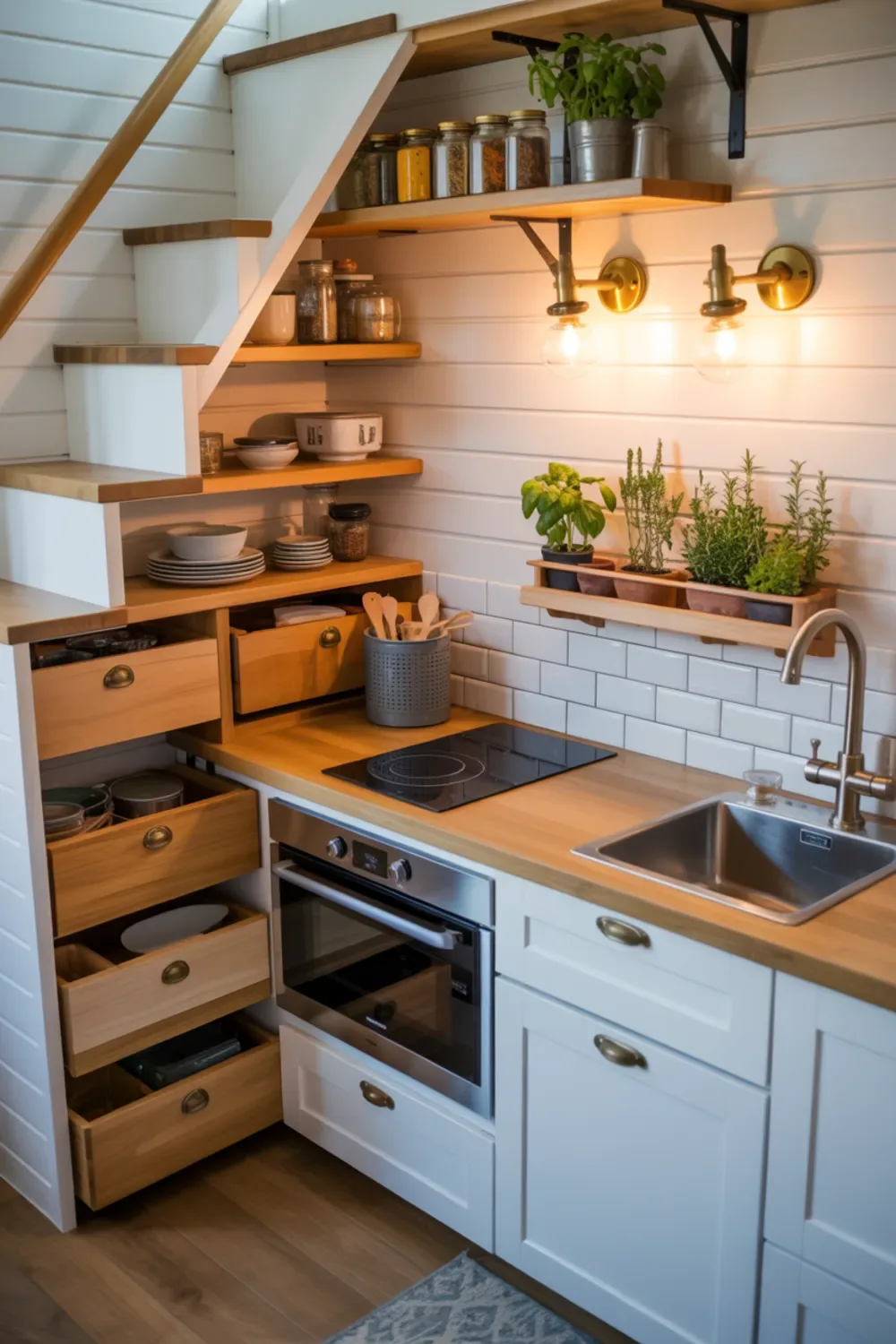
When Your Kitchen is Smaller Than Your Cat’s Ego: A Realistic Guide to Tiny House Storage
Let me set the scene: It’s 2026, I’m standing in my 220-square-foot Nashville tiny house, Luna the rescue cat is judging me from her perch on the counter (yes, I know, bad human), and I’ve just realized that my “kitchen” is essentially a glorified closet with a hot plate. I’ve cooked in professional kitchens, designed commercial spaces for clients using suppliers like Chef’s Deal (who, by the way, offer free kitchen design services-a godsend when you’re working with tight quarters), and even catered events from food trucks. But nothing-othing-prepared me for the existential crisis of trying to store a week’s worth of groceries in a space the size of a shoebox.
Here’s the thing: Tiny house kitchens aren’t just about storage. They’re about psychological warfare. Every time you open a cabinet and a avalanche of Tupperware rains down on your head, you question your life choices. Every time you have to choose between keeping your Instant Pot or your beloved cast-iron skillet (spoiler: the skillet wins), you wonder if minimalism is just a fancy word for deprivation. But after two years of trial, error, and more than a few meltdowns, I’ve learned that tiny house kitchen storage isn’t about cramming more stuff into less space, it’s about redefining what “enough” looks like. And yes, it’s possible to do it without sacrificing your sanity (or your favorite spatula).
In this guide, I’m sharing the 20+ tiny house kitchen storage hacks that actually work, tested by me, approved by Luna (who, despite her judgment, has not yet left me, so that’s something). We’ll cover everything from vertical storage solutions that don’t make your space look like a hardware store exploded, to multi-functional tools that’ll make you question why you ever owned 12 different gadgets, to the emotional mindset shifts that’ll help you let go of the “just in case” clutter. By the end, you’ll either be ready to downsize your kitchen with confidence or at least have a few new tricks to make your current space feel less like a Tetris game gone wrong.
Fair warning: Some of these hacks require a drill, a willingness to embrace imperfection, and the ability to laugh when your “genius” idea backfires (looking at you, magnetic knife strip that sent my chef’s knife flying into the wall). But if you’re ready to turn your tiny kitchen from a source of stress into a space that actually works for you, let’s dive in.
The Tiny House Kitchen Storage Mindset: Why Your Brain is Your Biggest Obstacle
1. The “But What If I Need It?” Trap (And How to Escape It)
I’ll admit it: I used to be a “just in case” hoarder. Just in case I want to make homemade pasta? Better keep the pasta maker. Just in case I host a dinner party for 12? Better keep the fondue set. Just in case the apocalypse happens? Better keep the bread machine (because nothing says “end of the world” like fresh sourdough).
Here’s the hard truth: Most of us use 20% of our kitchen tools 80% of the time. The rest? They’re just taking up space and collecting dust. The first step to mastering tiny house kitchen storage isn’t buying more bins or building more shelves, it’s rewiring your brain to let go of the “what ifs.”
Start by asking yourself these questions when evaluating an item:
- Have I used this in the past 6 months? (If not, it’s probably not essential.)
- Could I borrow or rent this if I really needed it? (Libraries, tool-sharing programs, and even friends exist for a reason.)
- Does this item serve multiple purposes? (A good chef’s knife can chop, slice, and dice, no need for a separate herb scissors.)
- Does owning this bring me joy, or am I keeping it out of guilt? (Yes, that includes the waffle maker your aunt gifted you that you’ve never used.)
I know what you’re thinking: “But Sammy, what if I doeed it someday?” To that, I say: Someday is not a storage plan. If you haven’t needed it in the past year, the odds of needing it in the next year are slim. And if you do? You’ll find a way to make it work, because that’s what tiny house living teaches you.
Pro tip: If you’re really struggling to let go, try the “box test.” Pack up the items you’re unsure about, label the box with the date, and store it out of sight. If you don’t reach for anything in the box within 3 months, donate it. (Spoiler: You probably won’t.)
2. The Illusion of “More Storage” (And Why It’s a Lie)
When I first moved into my tiny house, I thought the solution to my storage woes was simple: add more storage. More shelves, more cabinets, more bins, more, more, more. But here’s what I learned the hard way: More storage doesn’t solve the problem; it just gives you more places to hide clutter.
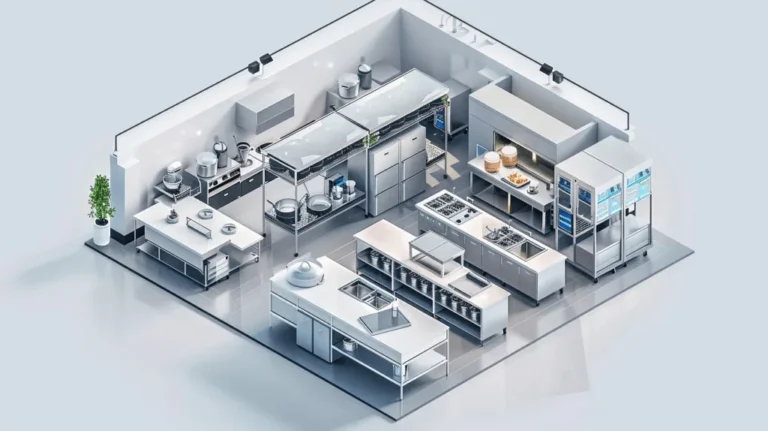
Think of it like a commercial kitchen. In a restaurant, every inch of space is purposefully designed for efficiency. There’s no “extra” storage because every cabinet, shelf, and drawer has a specific function. The same principle applies to tiny house kitchens. Instead of asking, “How can I fit more stuff in here?” ask, “How can I make this space work harder for me?”
This is where suppliers like Chef’s Deal come in handy. Their free kitchen design services aren’t just for commercial spaces, they’re a game-changer for tiny homes, too. A good designer will help you see your kitchen not as a series of empty spaces to fill, but as a system where every element serves a purpose. For example, instead of adding a random shelf above your sink, they might suggest a pull-out drying rack that doubles as storage for dishes. Or instead of cramming in more cabinets, they might recommend a rolling island that can be tucked away when not in use.
The key takeaway? Storage isn’t about quantity; it’s about strategy. And sometimes, the best storage solution isn’t adding more, it’s reimagining what you already have.
Vertical Storage Hacks: Because the Floor is Not Your Friend
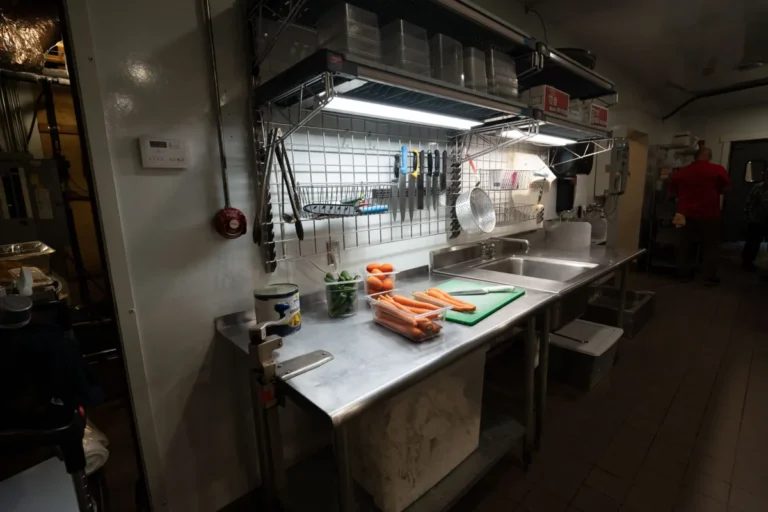
3. The Magic of Wall-Mounted Pegboards (And How to Make Them Not Look Like a Hardware Store)
If you’ve ever stepped into a well-designed commercial kitchen, you’ve probably seen a pegboard. It’s a simple concept: a board with holes that allows you to hang tools, utensils, and even small shelves using hooks and pegs. But in a tiny house kitchen? It’s a game-changer.
Here’s why pegboards work so well:
- They’re endlessly customizable. Need to hang a colander? Add a hook. Want to store spices? Add a small shelf. Need a place for your measuring cups? Add a basket.
- They keep everything visible and accessible. No more digging through drawers to find the can opener, it’s right there on the wall.
- They free up cabinet space. By moving utensils, tools, and even small appliances to the wall, you’re opening up valuable real estate in your cabinets for items that can’t be hung.
But here’s the catch: Pegboards can look really utilitarian if you’re not careful. To avoid turning your kitchen into a hardware store, try these tips:
- Paint it. A coat of paint in a color that matches your kitchen (or even a fun accent color) can make a pegboard feel intentional rather than industrial.
- Use matching hooks and accessories. Stick to one finish (brass, black, stainless steel) for a cohesive look.
- Add a backsplash. Place your pegboard in front of a backsplash or tile to make it feel like part of the design rather than an afterthought.
- Incorporate plants or art. Hang a small plant or a piece of art on the pegboard to soften the look.
I’ll be honest: My first pegboard attempt was a disaster. I went full-on Pinterest and tried to hang everything on it, pots, pans, utensils, even my coffee mugs. The result? A cluttered mess that made my kitchen feel smaller. Lesson learned: Less is more. Now, I use my pegboard for the essentials (spatulas, tongs, measuring cups) and keep the rest tucked away.
4. Magnetic Strips: The Unsung Heroes of Tiny Kitchens
Magnetic strips aren’t just for knives. In a tiny house kitchen, they’re one of the most versatile storage solutions you can invest in. Here’s how to use them:
- Knives: The classic use. A magnetic strip keeps your knives visible, accessible, and safely off the counter.
- Spices: Small magnetic containers (like these affordable ones on Amazon) can hold spices and stick to the strip. No more digging through a cabinet to find the cumin.
- Utensils: Metal utensils (like tongs, whisks, and ladles) can be hung on a magnetic strip to free up drawer space.
- Small tools: Things like bottle openers, can openers, and even scissors can be stored on a magnetic strip.
- Metal containers: Use magnetic strips to hold small metal containers for things like tea bags, sugar, or coffee filters.
Pro tip: If you’re worried about the industrial look, opt for a recessed magnetic strip that sits flush with the wall. Or, paint the strip to match your kitchen’s color scheme.
One word of caution: Not all magnetic strips are created equal. Cheap ones might not hold heavier items (like cast-iron pans, yes, I learned this the hard way when my skillet took a nosedive onto my toe). Invest in a high-quality strip with strong magnets, and make sure it’s securely mounted to the wall.
5. Over-the-Sink Cutting Boards and Drying Racks: Double-Duty Space Savers
In a tiny kitchen, every inch of counter space is precious. That’s why over-the-sink accessories are a lifesaver. Here are a few of my favorites:
- Over-the-sink cutting boards: These boards sit directly over your sink, giving you extra prep space without taking up counter real estate. Some even have built-in colanders for easy washing and draining.
- Over-the-sink drying racks: These racks sit over your sink and provide a place to dry dishes, freeing up counter space. Some even have built-in shelves for storing plates or cups.
- Over-the-sink strainers: Great for washing fruits and veggies or draining pasta without taking up counter space.
I’ll admit, I was skeptical about over-the-sink accessories at first. Wouldn’t they just get in the way? But after trying a few, I’m a convert. My over-the-sink drying rack has been a game-changer, it keeps my dishes off the counter and makes cleanup a breeze. And my over-the-sink cutting board gives me the extra prep space I need without cluttering up my tiny counter.
If you’re considering one of these, look for options that are adjustable or expandable to fit your sink size. And make sure they’re sturdy, you don’t want your cutting board collapsing into the sink mid-chop.
Multi-Functional Tools: The Tiny House Kitchen’s Best Friend
6. The Instant Pot: The Swiss Army Knife of Kitchen Appliances
If there’s one appliance that’s earned its place in a tiny house kitchen, it’s the Instant Pot. This thing is a pressure cooker, slow cooker, rice cooker, steamer, sauté pan, yogurt maker, and warmer all in one. In a space where every square inch counts, the Instant Pot is the ultimate multi-functional tool.
Here’s why I love it:
- It replaces multiple appliances. No need for a slow cooker, rice cooker, or pressure cooker, it does it all.
- It saves time. Pressure cooking can cut cooking time by up to 70%, which is a game-changer when you’re living in a tiny space and don’t want to spend all day in the kitchen.
- It’s energy-efficient. Because it cooks food faster, it uses less energy than a traditional oven or stovetop.
- It’s easy to store. Unlike bulky appliances, the Instant Pot can be tucked away in a cabinet or even stored on a shelf when not in use.
But here’s the thing: Not all Instant Pots are created equal. If you’re tight on space, opt for a smaller model (like the 3-quart or 6-quart) rather than the larger 8-quart. And if you’re really pressed for space, consider whether you eed all the functions. Some people get by just fine with a basic pressure cooker.
I’ll be honest: I resisted the Instant Pot hype for a long time. I thought it was just another gadget that would take up space. But after using one for a few months, I’m a believer. It’s saved me time, energy, and, most importantly, counter space.
7. Collapsible Everything: The Tiny House Kitchen’s Secret Weapon
In a tiny house kitchen, collapsible tools are your best friend. They take up minimal space when not in use but expand to full size when you need them. Here are a few of my favorites:
- Collapsible colanders: These can be flattened and stored in a drawer when not in use, then expanded to full size for draining pasta or washing veggies.
- Collapsible mixing bowls: Great for baking or meal prep, these bowls can be flattened and stacked when not in use.
- Collapsible measuring cups: These take up a fraction of the space of traditional measuring cups and can be stored in a drawer or hung on a hook.
- Collapsible silicone bakeware: Perfect for baking in a tiny oven, these pans and molds can be flattened and stored in a drawer when not in use.
- Collapsible water bottles and travel mugs: Not just for the kitchen, but great for saving space in a tiny home.
I know what you’re thinking: “Do collapsible tools really work as well as the real thing?” The answer is mostly yes. Some collapsible items (like colanders and mixing bowls) work just as well as their non-collapsible counterparts. Others (like silicone bakeware) might not be quite as sturdy, but they’re still functional and a great space-saving option.
Pro tip: If you’re investing in collapsible tools, look for ones made from silicone or high-quality plastic. Cheap collapsible items can be flimsy and might not hold up over time.
8. The Humble Cutting Board: More Than Meets the Eye
A good cutting board is a workhorse in any kitchen, but in a tiny house, it can do even more. Here’s how to get the most out of yours:
- Use it as a serving tray. A large cutting board can double as a serving tray for cheese, charcuterie, or appetizers.
- Use it as a trivet. Place a hot pot or pan on your cutting board to protect your countertops.
- Use it as a prep surface. If you’re tight on counter space, a cutting board can give you extra room for chopping veggies or kneading dough.
- Use it as a lid. A large cutting board can cover a pot or pan to keep food warm or protect it from dust.
- Use it as a cheese board. Because why buy a separate cheese board when your cutting board can do double duty?
But here’s the thing: Not all cutting boards are created equal. In a tiny house kitchen, you want a board that’s versatile, durable, and easy to store. Here’s what to look for:
- Material: Wood and bamboo are durable and gentle on knives, but they can be heavy. Plastic is lightweight and dishwasher-safe, but it can dull your knives over time.
- Size: A medium-sized board (around 12×18 inches) is a good all-purpose size. If you’re really tight on space, consider a smaller board or one that can be stored vertically.
- Thickness: A thicker board (1-2 inches) is more durable and less likely to warp, but it’s also heavier and takes up more space. A thinner board (1/2 inch) is lighter and easier to store, but it might not be as sturdy.
- Features: Look for a board with a juice groove (to catch liquids) or non-slip feet (to keep it in place while you’re chopping).
My personal favorite? A reversible bamboo cutting board. It’s durable, lightweight, and easy to store, and the reversible design means I can use one side for meat and the other for veggies. Plus, it doubles as a serving tray when I’m entertaining (which, let’s be honest, is rare in a tiny house, but a guy can dream).
Cabinet and Drawer Hacks: Because Digging Through Junk Drawers is a Sport
9. The Art of the “Useless” Cabinet: Turning Dead Space into Storage Gold
In most kitchens, there’s at least one cabinet that’s completely useless. Maybe it’s too high to reach, too low to access easily, or just awkwardly shaped. In a tiny house, these cabinets are like hidden treasure troves-if you know how to use them.
Here’s how to make the most of those “useless” cabinets:
- Add a pull-out shelf. If your cabinet is deep but hard to access, a pull-out shelf can make it easier to reach items in the back. You can buy pre-made pull-out shelves or DIY one with a few pieces of wood and some hardware.
- Install a lazy Susan. A lazy Susan is a rotating tray that makes it easy to access items in a corner cabinet. They come in all shapes and sizes, so you can find one that fits your space.
- Use stackable bins. Stackable bins can help you maximize vertical space in a tall cabinet. Label them so you know what’s inside without having to dig through everything.
- Hang hooks or racks. If your cabinet has a door, you can hang hooks or racks on the inside to store small items like measuring spoons, pot holders, or even spices.
- Store infrequently used items. Use “useless” cabinets for items you don’t need to access often, like holiday dishes, extra appliances, or backup pantry items.
I’ll be honest: My “useless” cabinet used to be the one above my fridge. It was so high up that I needed a step stool to reach it, and even then, I could barely see inside. I considered just leaving it empty, but then I realized it was the perfect spot for infrequently used items like my fondue set (yes, I still have it) and my backup Instant Pot (because, you know, just in case). Now, I use a pull-down shelf to make it easier to access, and it’s one of the most functional cabinets in my kitchen.
Pro tip: If you’re struggling with a particularly awkward cabinet, consider reaching out to a kitchen design service (like the one offered by Chef’s Deal). They can help you brainstorm solutions that you might not have thought of on your own.
10. Drawer Dividers: The Tiny House Kitchen’s Unsung Hero
If there’s one thing that drives me crazy in a tiny kitchen, it’s a junk drawer. You know the one, the drawer where spatulas, measuring spoons, bottle openers, and random screws all live in happy chaos. In a tiny house, junk drawers aren’t just annoying, they’re a waste of precious space.
Enter: drawer dividers. These simple tools can transform a chaotic drawer into an organized, functional space. Here’s how to use them:
- Separate utensils. Use dividers to keep spatulas, tongs, and whisks in their own sections so you can find what you need quickly.
- Organize measuring spoons and cups. A small divider can keep these items from getting lost in the shuffle.
- Store small tools. Things like bottle openers, can openers, and peelers can be corralled in their own section.
- Keep spices organized. If you store spices in a drawer, use a divider to keep them upright and easy to see.
- Separate baking tools. Measuring cups, pastry brushes, and cookie cutters can all have their own sections.
But here’s the thing: Not all drawer dividers are created equal. Here’s what to look for:
- Adjustable dividers: These allow you to customize the size of each section to fit your needs.
- Non-slip dividers: Look for dividers with non-slip grips to keep them in place.
- Expandable dividers: These can be stretched to fit different drawer sizes.
- Stackable dividers: If you have deep drawers, stackable dividers can help you maximize vertical space.
I’ll admit, I resisted drawer dividers for a long time. I thought they were unnecessary and would just take up more space. But after trying them, I’m a convert. My utensil drawer is now organized, functional, and, dare I say, beautiful. Plus, I can find what I need in seconds, which is a game-changer in a tiny kitchen.
Pro tip: If you’re on a budget, you can DIY drawer dividers using cardboard, wood, or even old shoeboxes. It’s not as pretty, but it gets the job done.
11. Under-Sink Storage: The Final Frontier
In a tiny house kitchen, the space under the sink is like prime real estate. It’s often the only cabinet that’s deep enough to store larger items, but it’s also one of the most awkward spaces to organize. Here’s how to make the most of it:
- Use stackable bins. Stackable bins can help you maximize vertical space and keep items organized. Look for bins with handles for easy access.
- Install a tension rod. A tension rod can be used to hang spray bottles or cleaning supplies, freeing up shelf space.
- Add a small shelf. A small shelf can create extra storage space for items like sponges, dish soap, or trash bags.
- Use a lazy Susan. A lazy Susan can make it easier to access items in the back of the cabinet.
- Hang a door organizer. If your sink cabinet has a door, you can hang a door organizer on the inside to store small items like sponges, scrub brushes, or cleaning supplies.
But here’s the thing: Under-sink storage isn’t just for cleaning supplies. In a tiny house, it can be a great spot for:
- Extra pantry items. Things like backup cans of beans or boxes of pasta can be stored under the sink if you’re tight on pantry space.
- Small appliances. If you have a blender, food processor, or other small appliance that you don’t use every day, under the sink can be a great spot to store it.
- Trash and recycling bins. If you don’t have a pull-out trash can, under the sink can be a great spot for a small trash or recycling bin.
- Water filters or pitchers. If you use a water filter or pitcher, under the sink can be a convenient spot to store it.
I’ll be honest: My under-sink storage used to be a disaster. I had cleaning supplies stacked haphazardly, a random assortment of sponges and scrub brushes, and a leaky bottle of dish soap that somehow always ended up in the way. But after reorganizing it with stackable bins and a tension rod, it’s now one of the most functional spaces in my kitchen. Plus, I can actually see what’s in there, which is a minor miracle.
Pro tip: If you’re storing cleaning supplies under the sink, make sure they’re in leak-proof containers. The last thing you want is a bottle of bleach tipping over and ruining your backup pasta.
Pantry Hacks: Because Cans of Beans Shouldn’t Be a Tetris Nightmare
12. The “One In, One Out” Rule: How to Keep Your Pantry from Exploding
In a tiny house, your pantry isn’t just a place to store food, it’s a high-stakes game of Tetris. Every time you bring home groceries, you’re faced with the same question: Where the hell am I going to put this?
The solution? The “one in, one out” rule. Here’s how it works: For every new item you bring into your pantry, you have to remove an old one. It’s simple, but it’s shockingly effective at keeping clutter at bay.
Here’s why it works:
- It forces you to be intentional. Before you buy something new, you have to ask yourself, “Do I really need this? And if so, what am I willing to give up to make room for it?”
- It prevents overbuying. If you know you have to remove something every time you bring something new in, you’re less likely to impulse-buy that giant bag of rice you’ll never finish.
- It keeps your pantry fresh. By regularly removing old items, you’re less likely to end up with expired cans of beans or mystery spices from 2018.
I’ll admit, I was skeptical about the “one in, one out” rule at first. I thought it would be too restrictive, or that I’d end up giving away things I actually needed. But after trying it for a few months, I’m a believer. It’s forced me to be more intentional about what I bring into my pantry, and it’s saved me from more than a few “what was I thinking?” purchases.
Pro tip: If you’re really struggling with pantry clutter, try the “one in, two out” rule. For every new item you bring in, you have to remove two old ones. It’s tough, but it’ll force you to be ruthless about what you keep.
13. Clear Bins and Labels: The Secret to a Pantry That Doesn’t Induce Anxiety
If there’s one thing that drives me crazy about tiny house pantries, it’s the mystery cans. You know the ones, the cans that have been rolling around in the back of your pantry for months, their labels long since worn off. Every time you open the pantry, you’re faced with the same question: What the hell is in there?
The solution? Clear bins and labels. Here’s why they work:
- They keep things visible. With clear bins, you can see what’s inside without having to dig through everything.
- They keep things organized. Bins corral small items (like packets of ramen or tea bags) and keep them from getting lost in the shuffle.
- They make it easy to find what you need. With labels, you can quickly identify what’s in each bin without having to open it.
- They maximize space. Bins can be stacked to maximize vertical space, and they can be rearranged to fit your needs.
But here’s the thing: Not all bins are created equal. Here’s what to look for:
- Clear bins: You want bins that are completely clear so you can see what’s inside. Avoid bins with frosted or opaque sides.
- Stackable bins: Look for bins that are designed to stack securely. You don’t want a tower of bins toppling over every time you open the pantry.
- Bins with lids: Lids keep dust and pests out, and they can also help keep items fresh.
- Bins with handles: Handles make it easier to pull bins in and out of tight spaces.
As for labels, you have a few options:
- Chalkboard labels: These are great if you like to change things up frequently. You can write on them with chalk or a chalk marker, and they’re easy to erase and reuse.
- Printable labels: If you want a more polished look, you can print labels on sticker paper or use a label maker.
- Masking tape and a marker: If you’re on a budget, masking tape and a marker work just fine. It’s not pretty, but it gets the job done.
I’ll be honest: My pantry used to be a disaster. I had cans rolling around, bags of rice spilling out, and a random assortment of spices that I never used. But after reorganizing it with clear bins and labels, it’s now one of the most functional spaces in my kitchen. Plus, I can actually find what I need, which is a minor miracle.
Pro tip: If you’re tight on space, consider using under-bed storage bins for backup pantry items. They’re a great way to maximize space in a tiny home.
14. The “Zones” System: How to Organize Your Pantry Like a Pro
In a commercial kitchen, everything has a place. The spices are near the stove, the baking supplies are near the mixer, and the prep tools are near the cutting board. In a tiny house kitchen, you can use the same principle to create a “zones” system for your pantry.
Here’s how it works: Divide your pantry into zones based on how you use the items. For example:
- Breakfast zone: Cereal, oatmeal, coffee, tea, etc.
- Baking zone: Flour, sugar, baking powder, vanilla extract, etc.
- Cooking zone: Canned goods, pasta, rice, spices, etc.
- Snack zone: Chips, crackers, nuts, etc.
- Drinks zone: Bottled water, juice, soda, etc.
By grouping items based on how you use them, you’ll be able to find what you need quickly and easily. Plus, it’ll make grocery shopping a breeze, you’ll know exactly what you have and what you need to restock.
But here’s the thing: The zones system only works if you stick to it. It’s not enough to just organize your pantry once, you have to maintain the system. That means putting things back where they belong, regularly decluttering, and adjusting the zones as your needs change.
I’ll admit, I was skeptical about the zones system at first. I thought it would be too rigid, or that I’d spend more time organizing than actually cooking. But after trying it, I’m a convert. It’s saved me time, reduced stress, and made my tiny pantry feel organized and intentional.
Pro tip: If you’re really struggling with pantry organization, consider reaching out to a kitchen design service (like the one offered by Chef’s Deal). They can help you create a customized zones system that works for your specific needs.
Mindset Shifts: Because Tiny House Living is as Much About Mental Space as Physical Space
15. The “Good Enough” Kitchen: Why Perfection is the Enemy of Progress
Let me tell you a secret: My tiny house kitchen is not perfect. Far from it. There are days when I open a cabinet and a avalanche of Tupperware rains down on my head. There are days when I have to choose between keeping my Instant Pot or my beloved cast-iron skillet (spoiler: the skillet wins). There are days when I question all my life choices and wonder if I made a huge mistake moving into a tiny house.
But here’s the thing: Perfection is the enemy of progress. If you wait until your kitchen is “perfect” before you start cooking, you’ll be waiting forever. Tiny house living isn’t about having the most Pinterest-worthy kitchen-it’s about having a kitchen that works for you.
So how do you embrace the “good enough” kitchen? Here are a few tips:
- Focus on function over form. It’s more important that your kitchen works for you than that it looks like it belongs in a magazine.
- Let go of the “shoulds.” You don’t have to have a matching set of pots and pans. You don’t have to have a fancy coffee maker. You don’t have to have a kitchen that looks like it belongs on HGTV.
- Embrace imperfection. Your kitchen doesn’t have to be perfect, it just has to be yours.
- Celebrate small wins. Did you finally organize that junk drawer? Celebrate! Did you find a way to store your spices that actually works? Celebrate! Tiny house living is a journey, not a destination.
I’ll be honest: It took me a long time to embrace the “good enough” kitchen. I spent months stressing over every little detail, trying to make my kitchen look like something out of a magazine. But eventually, I realized that tiny house living isn’t about perfection, it’s about freedom. Freedom from clutter, freedom from debt, freedom from the constant cycle of buying and upgrading. And that’s worth a little imperfection.
16. The “One Meal at a Time” Philosophy: Why You Don’t Need a Gourmet Kitchen to Cook Great Food
When I first moved into my tiny house, I had this grand vision of cooking elaborate, gourmet meals every night. I’d have a perfectly organized pantry, a state-of-the-art kitchen, and enough counter space to prep a five-course meal. Reality, of course, had other plans. My kitchen is small, my counter space is limited, and my pantry is more “cozy” than “gourmet.”
But here’s what I’ve learned: You don’t need a gourmet kitchen to cook great food. In fact, some of the best meals I’ve ever cooked have been in my tiny house kitchen. The key? The “one meal at a time” philosophy.
Here’s how it works: Instead of trying to cook elaborate meals that require a ton of prep space and a dozen different tools, focus on one simple, delicious meal at a time. Use multi-functional tools (like the Instant Pot), embrace one-pot meals, and don’t be afraid to get creative with your space.
For example, instead of trying to cook a complicated stir-fry that requires a wok, a cutting board, and a dozen different ingredients, try a one-pot pasta dish. Toss pasta, veggies, and sauce into a pot, let it simmer, and boom, dinner is served. No fancy tools, no elaborate prep, just good food.
Here are a few of my favorite tiny house-friendly meals:
- Instant Pot chili: Toss in beans, ground beef, tomatoes, and spices, and let the Instant Pot do the work.
- One-pot pasta: Cook pasta, veggies, and sauce all in one pot for an easy, delicious meal.
- Sheet pan dinners: Toss veggies and protein onto a sheet pan, pop it in the oven, and dinner is ready in 30 minutes.
- Slow cooker soups: Throw in broth, veggies, and protein, and let the slow cooker do the rest.
- Stir-fries: Use a large skillet or wok to cook veggies and protein with a simple sauce.
The “one meal at a time” philosophy isn’t just about cooking, it’s about mindset. It’s about letting go of the idea that you need a gourmet kitchen to cook great food, and embracing the fact that simple, delicious meals are just as good (if not better) than elaborate ones.
I’ll admit, I still have days when I miss my old kitchen. The one with the double oven, the huge island, and the walk-in pantry. But then I remember that tiny house living isn’t about what you give up, it’s about what you gain. More time, more freedom, more creativity. And honestly? That’s worth a lot more than a gourmet kitchen.
Final Thoughts: Tiny House Kitchen Storage is a Journey, Not a Destination
Let me leave you with this: Tiny house kitchen storage isn’t about finding the perfect solution, it’s about finding the solution that works for you. What works for me might not work for you, and that’s okay. The key is to experiment, adapt, and embrace the process.
When I first moved into my tiny house, I thought I had it all figured out. I had a plan, a vision, and a Pinterest board full of inspiration. But reality, of course, had other plans. My first pegboard attempt was a disaster. My under-sink storage was a mess. My pantry was a Tetris nightmare. But with each failure, I learned something new. I learned what worked, what didn’t, and what I could live without.
So if you’re feeling overwhelmed, remember: You don’t have to get it right the first time. Tiny house living is a journey, not a destination. And the best part? You’re not alone. There’s a whole community of tiny house dwellers out there who’ve been where you are, who’ve made the same mistakes, and who’ve come out the other side with a kitchen that works for them.
And if you ever feel stuck, don’t be afraid to reach out for help. Whether it’s a friend, a tiny house community, or a kitchen design service like the one offered by Chef’s Deal, there are people who can help you brainstorm solutions and find what works for you.
So go forth, experiment, and embrace the chaos. Your tiny house kitchen might not be perfect, but it’s yours. And that’s something to celebrate.
FAQ: Tiny House Kitchen Storage Questions, Answered
Q: I’m overwhelmed by all the storage hacks out there. Where should I start?
A: Start with the “one in, one out” rule. It’s simple, effective, and it’ll help you declutter before you even think about adding new storage solutions. Once you’ve pared down your kitchen, focus on vertical storage (like pegboards and magnetic strips) and multi-functional tools (like the Instant Pot). These two strategies will give you the most bang for your buck in a tiny kitchen.
Q: How do I store pots and pans in a tiny kitchen? They take up so much space!
A: Pots and pans are one of the biggest storage challenges in a tiny kitchen, but there are a few tricks you can try. First, consider esting your pots and pans (if they’re the same brand, they might stack neatly). Second, try hanging them on a pegboard or pot rack to free up cabinet space. Third, consider storing them vertically in a deep drawer or cabinet using a pot organizer. And finally, if you’re really tight on space, consider letting go of a few pieces. Do you really need that 12-inch skillet and a 10-inch one?
Q: What’s the best way to store spices in a tiny kitchen?
A: Spices are tricky in a tiny kitchen because they’re small, numerous, and easy to lose track of. Here are a few storage ideas:
- Magnetic spice containers: These stick to a magnetic strip, keeping your spices visible and accessible.
- Spice racks: A small spice rack can be mounted on the wall or inside a cabinet door.
- Drawer organizers: If you store spices in a drawer, use a divider to keep them upright and easy to see.
- Tiered shelves: A tiered shelf inside a cabinet can help you see all your spices at once.
My personal favorite? Magnetic spice containers on a strip. They keep my spices visible, accessible, and out of the way.
Q: How do I keep my tiny kitchen from feeling cluttered?
A: The key to keeping a tiny kitchen from feeling cluttered is visibility and intentionality. Here are a few tips:
- Keep countertops clear. The more you can store in cabinets, drawers, or on the wall, the less cluttered your kitchen will feel.
- Use clear bins and labels. This makes it easy to see what’s inside and keeps things organized.
- Embrace vertical storage. The more you can store on the wall, the less cluttered your cabinets and drawers will be.
- Be intentional about what you keep. Every item in your kitchen should have a purpose. If it doesn’t, it’s just taking up space.
- Regularly declutter. Set aside time every few months to go through your kitchen and get rid of anything you don’t use or need.
And remember: A cluttered kitchen isn’t just about physical space, it’s about mental space, too. The more organized your kitchen is, the less stressed you’ll feel when you’re cooking. So take the time to create a space that works for you, and don’t be afraid to let go of the things that don’t.
@article{tiny-house-kitchen-storage-hacks-20-genius-ways-to-maximize-every-inch-without-losing-your-mind,
    title   = {Tiny House Kitchen Storage Hacks: 20+ Genius Ways to Maximize Every Inch (Without Losing Your Mind)},
    author  = {Chef's icon},
    year    = {2026},
    journal = {Chef's Icon},
    url     = {https://chefsicon.com/tiny-house-kitchen-storage-hacks/}
}