The Best Fluffy Pancakes recipe you will fall in love with. Full of tips and tricks to help you make the best pancakes.
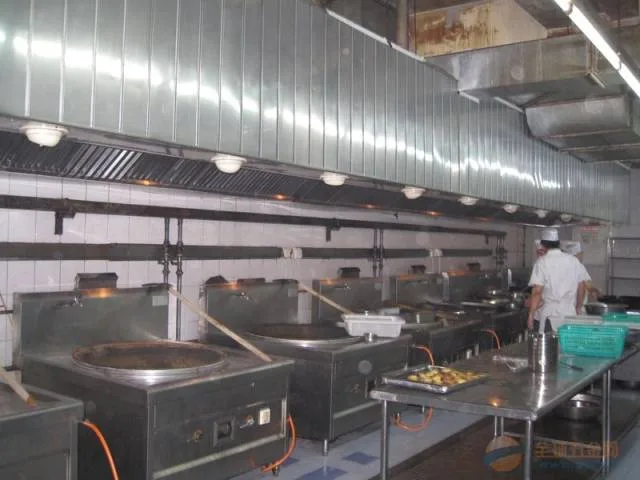
Why I’ll Never Buy New Commercial Kitchen Equipment Again (And Neither Should You)
Three years ago, I stood in a cavernous warehouse on the outskirts of Nashville, staring at a 20-year-old Vulcan range that cost less than my last car payment. The salesman, let’s call him Dave, was sweating through his polo shirt while assuring me this “gently used” beast was “basically new.” I wanted to believe him. I really did. But something about the way the oven door sagged slightly to the left made my stomach twist. Was I about to make the biggest mistake of my restaurant’s life? Or was this the deal that would let me finally afford the walk-in cooler my chef had been begging for?
Turns out, that range became the backbone of my pop-up kitchen’s success. But not without a few hard lessons along the way. Like the time the pilot light kept going out because, surprise! the thermocouple was shot. Or when I discovered the “minor cosmetic scratches” were actually evidence of a previous grease fire. I’ve since bought, sold, or inspected over 150 pieces of used commercial equipment, and let me tell you: the difference between a steal and a money pit often comes down to knowing which questions to ask before you hand over your credit card.
This guide isn’t just about saving money (though you’ll save a ton). It’s about avoiding the soul-crushing moment when your “like-new” mixer arrives with a motor that sounds like a dying lawnmower. Or when your health inspector red-tags your “fully functional” fryer because it’s missing a critical safety feature. We’ll cover everything from decoding seller lingo to testing equipment like a pro, even if you’ve never touched a commercial kitchen appliance before. By the end, you’ll know exactly what to look for, what to avoid, and how to negotiate like your restaurant’s future depends on it (because it does).
Let’s start with the uncomfortable truth most sellers won’t tell you…
The Dirty Little Secret About “Like New” Commercial Equipment
Why “Like New” Usually Means “Someone Else’s Problem”
Here’s the thing about commercial kitchen equipment: it doesn’t age like fine wine. It ages like a gym towel left in your locker for three months. That “like new” label? It’s often code for “we’re not legally allowed to say what’s actually wrong with it.” I learned this the hard way when I bought what was described as a “lightly used” Hobart mixer. The seller, a seemingly reputable restaurant supply dealer, sent photos showing minimal surface scratches. What they didn’t mention was that the previous owner had used it exclusively for mixing concrete-like bread dough, which had completely worn out the gearbox. The repair cost? More than the mixer was worth.
But here’s the kicker: not all “like new” claims are outright lies. Some sellers genuinely believe their equipment is in great shape because they’ve never pushed it to its limits. A bakery’s “lightly used” deck oven might have only seen action for a few hours a day, while a diner’s version of the same could have been running 18 hours straight for a decade. The key is learning to read between the lines of every description. Here’s what those euphemisms really mean:
- “Lightly used” – Either it’s in great shape… or the seller has no idea how much abuse it’s actually taken. Push for specifics.
- “Cosmetic issues only” – This is where sellers get creative. To them, “cosmetic” might include missing knobs, cracked glass, or a door that doesn’t quite close. Always ask for photos of every angle.
- “Works perfectly” – This usually means it turns on. Whether it actually performs its intended function is another question entirely.
- “Great for parts” – The polite way of saying “this is a 1,000-pound paperweight.” Unless you’re running a repair shop, walk away.
- “As-is, where-is” – The seller’s way of saying “we’re not responsible if this thing electrocutes someone or collapses through your floor.”
Is this starting to feel overwhelming? It should. Buying used commercial equipment is part detective work, part gamble, and part leap of faith. But here’s the good news: there are ways to stack the odds in your favor. Let’s start with the most important question you can ask before even looking at a piece of equipment…
1. The One Question That Will Save You Thousands (Ask This First)
Before you even think about price, condition, or brand, there’s one question that will immediately separate the serious sellers from the time-wasters: “Why are you selling this?” The answer will tell you more about the equipment’s true condition than any inspection ever could.
I once ignored this advice when I found what looked like an incredible deal on a used combi oven. The seller, a chain restaurant liquidating equipment, claimed they were “upgrading to newer models.” The price was so good I didn’t even inspect it thoroughly. Big mistake. Turns out they were actually closing that location because the oven had been causing constant problems, including inconsistent temperatures that ruined thousands of dollars worth of product. The “upgrade” was actually a desperate attempt to stop the bleeding.
Here’s what different answers to this question might really mean:
- “We’re upgrading” – Could be legitimate… or could mean the current equipment is unreliable. Ask what they’re upgrading to and why.
- “Closing our restaurant” – This is often a great sign, especially if they’re closing for reasons unrelated to the equipment (retirement, relocation, etc.). But ask how long the equipment has been sitting unused, long periods of inactivity can cause its own problems.
- “Equipment no longer fits our menu” – This is usually a good sign. It often means the equipment is in good working order but just not right for their current needs.
- “We’re switching to [different equipment type]” – Be cautious. This could mean they’ve found a better solution… or that the current equipment was a constant source of frustration.
- “We’re downsizing” – Another potentially good sign, but ask how many hours a day the equipment was used. Downsizing often means the equipment saw heavy use.
I’m torn between telling you to take the seller’s answer at face value or to read between the lines. Ultimately, it’s about context. If a bakery is selling their dough sheeter because they’re switching to pre-made dough, that’s a very different story than if they’re selling it because it keeps jamming and ruining their product. The key is to use their answer as a starting point for more questions, not as the final word on the equipment’s condition.
2. Where to Buy Used Commercial Kitchen Equipment (And Where to Avoid)
The Good, The Bad, and The Scammy
Not all sources of used equipment are created equal. Some will save you money and headaches. Others will leave you with a garage full of regret. Here’s the breakdown of where to look, and where to run:
✅ The Best Places to Buy
-
Restaurant Auctions (Live and Online)
These are my personal favorite source. When restaurants close or upgrade, they often liquidate equipment through auctions. The key is to attend in person when possible, photos can hide a multitude of sins. I once bought a nearly new blast chiller at a live auction for 30% of retail. The catch? I had to move it myself within 24 hours. Worth every minute of the scramble.
Pro tip: Set a strict budget before bidding. It’s easy to get caught up in the excitement and overpay. Also, research the restaurant’s reputation, equipment from a well-run establishment is usually in better shape than that from a struggling one.
-
Restaurant Supply Dealers (Specializing in Used Equipment)
These dealers buy equipment from closed restaurants and resell it. The good ones refurbish what they can and are honest about what they can’t. I’ve had great experiences with dealers who offer short warranties (30-90 days) on their used equipment. Just be wary of those who pressure you to buy quickly or won’t let you inspect the equipment.
One dealer in Nashville has saved me countless times by pointing out issues I would have missed. He once talked me out of buying a used fryer that had been improperly cleaned with lye (which eats away at the metal). His honesty earned my repeat business.
-
Restaurant Equipment Brokers
These are the matchmakers of the equipment world. They connect buyers and sellers for a commission. The best brokers know their inventory inside and out and can often negotiate better deals than you could on your own. The downside? Their commission is usually baked into the price.
I’ve worked with brokers who’ve found me equipment I didn’t even know I needed. One broker called me about a used blast freezer just as I was expanding my catering business to include frozen desserts. It was exactly what I needed, at a fraction of the new price.
-
Direct from Restaurants (Craigslist, Facebook Marketplace, etc.)
This is where you’ll find the best deals… and the biggest risks. Buying directly from restaurants can save you money, but you’re also taking on all the risk. I’ve found incredible deals this way, including a six-burner range that looked like it had been through a war but worked perfectly once cleaned up.
The key is to be thorough in your inspection and to meet in a safe, public place (or bring a friend). Never buy without seeing the equipment in person first. And always ask if you can plug it in and test it, if they say no, walk away.
❌ Places to Avoid
-
General Online Marketplaces (eBay, Amazon, etc.)
Unless you’re buying from a reputable dealer with a return policy, avoid these like expired mayo. The photos are often misleading, and you have little recourse if the equipment arrives damaged or not as described. I once bought what was advertised as a “commercial-grade” mixer on eBay, only to receive a residential model that couldn’t handle more than a few cups of flour at a time.
-
Individuals Who Aren’t the Original Owners
If someone is selling equipment they don’t actually own or use, be very cautious. They likely don’t know the equipment’s history or condition. I once bought a used refrigeration unit from someone who had “inherited” it from a friend. Turns out, the friend had been using it to store chemicals, not food. The unit had to be completely decontaminated before it was safe to use.
-
Sellers Who Won’t Let You Inspect the Equipment
This is a huge red flag. If a seller won’t let you see the equipment in person or test it before buying, walk away. No exceptions. I’ve heard too many horror stories of buyers receiving equipment that looks nothing like the photos or doesn’t work at all.
-
“Too Good to Be True” Deals
If a piece of equipment is priced significantly below market value, there’s usually a reason. It could be stolen, damaged, or missing critical parts. I once saw a “brand new” commercial ice machine listed for half its retail price. Turns out, it had been recalled due to a fire hazard. The seller was trying to unload it before anyone found out.
3. The Pre-Purchase Inspection Checklist (Print This Out)
You’ve found a piece of equipment that seems promising. Now what? It’s time for the inspection. I’ve developed this checklist over years of buying used equipment. Print it out and bring it with you every time. Trust me, it’s saved me from more bad purchases than I care to admit.
General Inspection (For All Equipment)
- Check for visible damage: Look for dents, cracks, rust, or signs of repair. Minor cosmetic issues are fine, but structural damage is a red flag.
- Inspect the power source: Make sure the cord or plug is in good condition. For gas equipment, check the hoses and connections for leaks or damage.
- Test all controls and knobs: They should move smoothly and not feel loose or stripped.
- Look for signs of improper use: Burn marks, melted plastic, or warped metal can indicate the equipment was used incorrectly or overheated.
- Check for missing parts: Compare the equipment to online listings or manuals to ensure nothing is missing.
- Inspect the interior: For equipment with interiors (ovens, refrigerators, etc.), look for excessive wear, rust, or damage.
- Smell test: Yes, really. Equipment that’s been used with strong-smelling foods (like fish or curry) can retain odors. Also, a burning smell could indicate electrical issues.
- Listen for unusual noises: Turn the equipment on and listen for grinding, squeaking, or rattling sounds.
- Check the brand and model number: Research the specific model to see if it has any known issues or recalls.
- Ask for maintenance records: If available, these can give you valuable insight into how well the equipment was cared for.
Equipment-Specific Checks
Refrigeration Equipment
- Test the temperature: Use a thermometer to check that the unit reaches and maintains the correct temperature.
- Inspect the seals: The door seals should be intact and not cracked or brittle.
- Check the condenser coils: They should be clean and free of dust or grease buildup.
- Listen for the compressor: It should run smoothly without excessive noise or vibration.
- Look for frost buildup: Excessive frost can indicate a problem with the defrost system.
Cooking Equipment (Ranges, Ovens, Fryers, etc.)
- Test all burners or heating elements: They should heat up quickly and evenly.
- Check for hot spots: Uneven heating can indicate problems with the heating elements or gas lines.
- Inspect the interior: For ovens, look for warped or damaged racks. For fryers, check the interior for excessive grease buildup or damage.
- Test the thermostat: Use an oven thermometer to verify that the temperature matches the setting.
- Check for gas leaks: For gas equipment, use a gas leak detector or soapy water to check for leaks.
Mixers and Food Processors
- Test all speeds: The motor should run smoothly at all speeds without excessive noise or vibration.
- Inspect the attachments: They should be in good condition and not bent or damaged.
- Check the bowl and lid: They should fit securely and not be cracked or warped.
- Test the tilt mechanism: For stand mixers, the bowl should tilt smoothly and lock securely in place.
Dishwashers
- Test the wash and rinse cycles: The water should spray evenly and reach all areas of the dish rack.
- Check the detergent dispenser: It should open and close properly and not be clogged.
- Inspect the interior: Look for rust, cracks, or excessive wear on the racks and interior surfaces.
- Test the drain: Make sure the dishwasher drains properly and doesn’t leak.
Maybe I should clarify: this checklist isn’t about finding perfect equipment. It’s about identifying potential issues so you can make an informed decision. Even the best-used equipment will have some wear and tear. The goal is to avoid equipment that’s going to cost you more in repairs than it’s worth.
4. How to Test Equipment Like a Pro (Even If You’re Not a Chef)
You don’t need to be a culinary expert to test commercial kitchen equipment. You just need to know what to look for. Here’s how to put that equipment through its paces, even if you’ve never worked in a professional kitchen before.
For Refrigeration Equipment
-
Plug it in and let it run for at least 30 minutes. This will give you time to check for any issues with the compressor or cooling system.
-
Use a thermometer to check the temperature. For refrigerators, it should reach 40°F (4°C) or below. For freezers, it should reach 0°F (-18°C) or below.
-
Listen for unusual noises. A humming sound is normal, but grinding, squeaking, or rattling could indicate problems.
-
Check for frost buildup. A little frost is normal, but excessive buildup could indicate a problem with the defrost system.
-
Inspect the seals. Close the door on a dollar bill. If you can pull it out easily, the seals need to be replaced.
For Cooking Equipment
-
Turn on all burners or heating elements. They should heat up quickly and evenly. For gas equipment, the flames should be blue with minimal yellow or orange.
-
Test the thermostat. Use an oven thermometer to verify that the temperature matches the setting. It’s not uncommon for older ovens to be off by 25°F or more.
-
Check for hot spots. For ovens, place slices of bread on different racks. They should toast evenly. For griddles, sprinkle water on the surface, it should sizzle and evaporate evenly.
-
Inspect the interior. For ovens, look for warped or damaged racks. For fryers, check the interior for excessive grease buildup or damage.
-
Test the safety features. For gas equipment, make sure the pilot light stays lit. For electric equipment, check that the heating elements turn off when the thermostat is turned down.
For Mixers and Food Processors
-
Plug it in and test all speeds. The motor should run smoothly at all speeds without excessive noise or vibration.
-
Test the attachments. For mixers, try mixing a small amount of flour and water. For food processors, test the blade with a small amount of vegetables.
-
Check the bowl and lid. They should fit securely and not be cracked or warped. For mixers, the bowl should lock securely in place.
-
Test the tilt mechanism. For stand mixers, the bowl should tilt smoothly and lock securely in place.
-
Inspect the motor. After running the mixer for a few minutes, feel the motor housing. It should be warm but not hot. Excessive heat could indicate motor problems.
For Dishwashers
-
Fill the detergent dispenser and run a wash cycle. The detergent should dispense properly and not clog the dispenser.
-
Check the water temperature. It should reach at least 140°F (60°C) for proper sanitization. Use a thermometer to verify.
-
Inspect the wash and rinse arms. They should spin freely and not be clogged or damaged.
-
Test the drain. Make sure the dishwasher drains properly and doesn’t leak.
-
Check the interior. Look for rust, cracks, or excessive wear on the racks and interior surfaces.
I’m torn between telling you to be thorough and not wanting to overwhelm you. But here’s the thing: it’s better to spend an extra 30 minutes testing a piece of equipment than to spend thousands of dollars on repairs later. And if the seller won’t let you test the equipment? That’s your answer right there. Walk away.
5. The Hidden Costs of Used Equipment (That No One Talks About)
Here’s the dirty little secret about used commercial kitchen equipment: the purchase price is just the beginning. There are hidden costs that can turn your “great deal” into a money pit. I learned this the hard way when I bought a used convection oven for what I thought was a steal. The oven itself was fine, but I didn’t account for the cost of:
- Delivery and installation: Commercial equipment is heavy and often requires professional installation. That “free delivery” the seller offered? It turned out to only cover curbside drop-off. I had to pay an extra $500 to get it moved into my kitchen and installed.
- Repairs and maintenance: Even the best-used equipment will need some TLC. My oven needed a new thermostat and door seal, which cost another $300.
- Parts and accessories: The oven didn’t come with racks or a manual. I had to track down compatible racks and pay for a digital copy of the manual.
- Upgrades and modifications: My kitchen’s electrical system wasn’t quite up to code for the oven’s power requirements. I had to pay an electrician to upgrade the circuit.
- Cleaning and sanitizing: Used equipment often needs a deep clean before it’s safe to use. I spent hours scrubbing grease and grime off the oven, and then had to pay for professional sanitization.
- Permits and inspections: Depending on your location, you may need permits to install or use certain types of equipment. I had to pay for an inspection before I could use my oven.
- Downtime: If the equipment breaks down or needs repairs, you’ll lose money while it’s out of commission. I had to close my kitchen for a day while the oven was being repaired.
Here’s how to estimate these hidden costs before you buy:
-
Delivery and installation: Get quotes from local movers and installers before you buy. Some equipment may require special handling or permits.
-
Repairs and maintenance: Factor in the cost of any immediate repairs, as well as ongoing maintenance. A good rule of thumb is to budget 10-20% of the purchase price for repairs in the first year.
-
Parts and accessories: Check what’s included with the equipment and what you’ll need to buy separately. Some sellers will throw in extras if you ask.
-
Upgrades and modifications: Consult with a professional to determine if your kitchen can handle the equipment’s power, water, or ventilation requirements.
-
Cleaning and sanitizing: Ask the seller if the equipment has been cleaned and sanitized. If not, factor in the cost of professional cleaning.
-
Permits and inspections: Check with your local health department to see if you need any permits or inspections for the equipment you’re considering.
-
Downtime: Consider the cost of lost revenue if the equipment breaks down or needs repairs. It’s a good idea to have a backup plan in place.
Is this starting to feel like a lot to consider? It is. But here’s the thing: these hidden costs are what separate the smart buyers from the ones who end up with a garage full of regret. The good news is that with a little planning, you can avoid most of them.
6. How to Negotiate Like a Restaurant Supply Dealer
Negotiating the price of used commercial kitchen equipment isn’t like haggling at a flea market. It’s about using information, leverage, and psychology to get the best deal possible. I’ve negotiated hundreds of equipment deals, and I’ve learned that the best negotiators aren’t the loudest or the most aggressive, they’re the ones who are best prepared.
Here’s my step-by-step guide to negotiating like a pro:
Step 1: Do Your Research
Before you even start negotiating, you need to know what the equipment is worth. Here’s how to find out:
- Check online marketplaces: Look for similar equipment on sites like Craigslist, Facebook Marketplace, and restaurant equipment dealers’ websites. Note the prices and condition of the equipment.
- Search auction results: Sites like BidSpotter and RestaurantEquipment.bid post results from past auctions. This can give you an idea of what equipment is actually selling for.
- Talk to dealers: Call a few restaurant equipment dealers and ask what they would charge for the equipment you’re considering. They may also be able to give you insights into the specific model’s reliability and common issues.
- Consult with professionals: If you know any chefs, kitchen managers, or equipment repair technicians, ask for their input. They may have experience with the specific model you’re considering and can give you valuable insights.
Step 2: Identify Your Leverage
What gives you the upper hand in the negotiation? Here are some common sources of leverage:
- Time: If the seller is in a hurry to sell (e.g., they’re closing their restaurant or need the space), you have more leverage.
- Cash: If you can pay in cash, you have more leverage than if you need financing.
- Multiple items: If you’re buying more than one piece of equipment from the same seller, you have more leverage to negotiate a package deal.
- Flaws or issues: If you’ve identified problems with the equipment during your inspection, you can use these as leverage to negotiate a lower price.
- Market conditions: If the market is slow and equipment isn’t selling quickly, you have more leverage.
Step 3: Make the First Offer
In most cases, it’s better to make the first offer. This sets the anchor for the negotiation and gives you more control over the final price. Here’s how to do it:
- Start low, but not insultingly low. Your first offer should be low enough to leave room for negotiation, but not so low that the seller won’t take you seriously. A good rule of thumb is to start at 50-70% of the asking price, depending on the equipment’s condition and your research.
- Be specific. Instead of saying “I’ll give you $1,000,” say “I’ll give you $1,050.” This makes your offer seem more thoughtful and less arbitrary.
- Explain your reasoning. If you’ve identified issues with the equipment, mention them. For example, “I noticed that the oven door doesn’t seal properly, which will require a new gasket. I’m willing to offer $1,050 to account for that.”
Step 4: Use the “Silent Treatment”
After you make your offer, be quiet. Let the seller respond. This is one of the most powerful negotiation tactics, and it’s also one of the hardest to master. Most people feel uncomfortable with silence and rush to fill it. Don’t. Let the seller break the silence first.
I once used this tactic to negotiate the price of a used refrigeration unit down by 30%. The seller made an initial offer, I countered with a lower price, and then I just waited. After what felt like an eternity (but was probably only 30 seconds), the seller said, “You know what? I’ll take it.” If I had said anything during that silence, I might have talked myself out of the deal.
Step 5: Be Prepared to Walk Away
The most powerful tool in any negotiation is the ability to walk away. If the seller won’t budge on price and you’re not comfortable with the deal, be prepared to walk away. There will always be other deals.
I’ve walked away from more deals than I can count. Sometimes, the seller comes back with a better offer. Other times, they don’t. But I’ve never regretted walking away from a bad deal.
Step 6: Close the Deal
Once you’ve agreed on a price, it’s time to close the deal. Here’s how to do it:
- Get it in writing. Even if you’re buying from a friend or trusted dealer, get the details of the deal in writing. This should include the price, the condition of the equipment, any warranties or guarantees, and the delivery or pickup arrangements.
- Pay securely. Use a secure payment method, like a cashier’s check or a credit card. Avoid paying in cash, especially for large purchases.
- Get a receipt. Make sure the receipt includes the seller’s name, address, and phone number, as well as the make, model, and serial number of the equipment.
- Arrange for delivery or pickup. If the seller is delivering the equipment, make sure you have a clear agreement on when and where it will be delivered. If you’re picking it up, make sure you have a vehicle large enough to transport it.
Negotiation Scripts to Use
Here are some scripts you can use during your negotiation:
-
When you want to make an offer:
“I’ve done some research, and I think a fair price for this equipment, considering its condition, is [your offer]. What do you think?”
-
When the seller counters your offer:
“I understand where you’re coming from, but I think [your counteroffer] is more in line with the equipment’s condition and the market. What do you think?”
-
When you’ve identified issues with the equipment:
“I noticed that [issue]. That’s going to require [repair or replacement], which will cost [amount]. I’m willing to offer [your offer] to account for that.”
-
When you’re ready to walk away:
“I appreciate your time, but I don’t think we’re going to be able to come to an agreement. If you change your mind, here’s my number.”
I’m torn between telling you to be aggressive in your negotiations and advising you to be respectful. Ultimately, it’s about finding a balance. You want to get the best deal possible, but you also don’t want to burn bridges. The restaurant equipment world is smaller than you think, and you never know when you’ll need to work with the same seller again.
7. The Brands That Last (And the Ones to Avoid)
Not all commercial kitchen equipment is created equal. Some brands are built to last, while others are designed to fall apart just after the warranty expires. I’ve learned this the hard way, like the time I bought a “commercial-grade” mixer from a brand I’d never heard of, only to have it die during my first big catering job. The repair cost more than the mixer was worth, and I ended up having to rent a replacement at the last minute.
Here’s my breakdown of the brands that are worth your money, and the ones to avoid:
✅ Brands That Last
-
Hobart
Hobart is the gold standard for commercial mixers, slicers, and other food prep equipment. Their equipment is built to last, and parts are widely available. I’ve seen Hobart mixers from the 1970s that are still going strong. The downside? They’re expensive, even used. But if you can find a Hobart in good condition, it’s worth the investment.
-
Vulcan
Vulcan is another top-tier brand, known for their ranges, ovens, and fryers. Their equipment is built to withstand the rigors of a commercial kitchen, and their customer service is excellent. I’ve had great luck with used Vulcan equipment, especially their convection ovens.
-
Traulsen
If you’re in the market for refrigeration equipment, Traulsen is one of the best brands out there. Their reach-in and under-counter refrigerators are built to last, and their customer service is top-notch. I’ve bought several used Traulsen units, and they’ve all performed flawlessly.
-
Berkel
Berkel is known for their high-quality slicers and meat grinders. Their equipment is built to last, and parts are widely available. I’ve had great luck with used Berkel slicers, especially the older models.
-
Blodgett
Blodgett is a top brand for commercial ovens and ranges. Their equipment is built to last, and their customer service is excellent. I’ve bought several used Blodgett ovens, and they’ve all performed well.
⚠️ Brands to Approach with Caution
-
Southbend
Southbend makes decent equipment, but it’s not as durable as some of the other brands on this list. Their ranges and ovens are popular, but I’ve had mixed experiences with used Southbend equipment. Some pieces have lasted for years, while others have needed constant repairs. If you’re considering a used Southbend, make sure to inspect it thoroughly and test it before buying.
-
Garland
Garland is another mid-tier brand. Their equipment is decent, but it’s not as durable as Hobart or Vulcan. I’ve had good luck with used Garland ranges, but their ovens have been hit or miss. If you’re considering a used Garland, make sure to test it thoroughly before buying.
-
True
True makes good refrigeration equipment, but it’s not as durable as Traulsen. I’ve had mixed experiences with used True units. Some have lasted for years, while others have needed constant repairs. If you’re considering a used True, make sure to inspect it thoroughly and test it before buying.
❌ Brands to Avoid
-
No-Name or Generic Brands
If you’ve never heard of the brand, chances are it’s not worth your money. These brands often cut corners on materials and construction, and parts can be difficult or impossible to find. I’ve had terrible experiences with no-name equipment, including a mixer that died during its first use and a refrigeration unit that never got cold enough.
-
Residential Brands (KitchenAid, GE, etc.)
Residential equipment is not built to withstand the rigors of a commercial kitchen. It may be cheaper upfront, but it will cost you more in the long run in repairs and replacements. I once made the mistake of buying a used KitchenAid mixer for my catering business. It died during my first big job, and I had to rent a replacement at the last minute.
-
Discontinued Brands
If a brand is no longer in business, parts can be difficult or impossible to find. This can turn a minor repair into a major headache. I once bought a used slicer from a discontinued brand, only to find out that the motor was shot. I couldn’t find a replacement motor, so I had to buy a new slicer.
Maybe I should clarify: this isn’t an exhaustive list, and there are always exceptions. I’ve seen no-name equipment that lasted for years and top-tier brands that fell apart after a few months. The key is to do your research and inspect the equipment thoroughly before buying.
8. How to Spot a Lemon (Before It’s Too Late)
Some equipment problems are obvious, like a refrigeration unit that doesn’t get cold or an oven that doesn’t heat up. But others are more subtle, and they can turn your “great deal” into a money pit. Here are the red flags to watch out for:
Refrigeration Equipment
- Excessive frost buildup: A little frost is normal, but excessive buildup can indicate a problem with the defrost system.
- Unusual noises: A humming sound is normal, but grinding, squeaking, or rattling could indicate problems with the compressor or fan.
- Warm spots: Use a thermometer to check the temperature in different areas of the unit. Warm spots can indicate problems with the cooling system.
- Leaking water: This could indicate a problem with the drain or defrost system.
- Condenser coils covered in dust or grease: This can cause the unit to work harder and less efficiently, leading to higher energy costs and potential breakdowns.
Cooking Equipment
- Uneven heating: For ovens, place slices of bread on different racks. They should toast evenly. For griddles, sprinkle water on the surface, it should sizzle and evaporate evenly.
- Gas smells: For gas equipment, use a gas leak detector or soapy water to check for leaks. If you smell gas, turn off the equipment immediately and have it inspected by a professional.
- Excessive smoke or grease buildup: This can indicate problems with the ventilation or the equipment itself.
- Warped or damaged racks: For ovens, check that the racks are straight and not warped or damaged.
- Cracked or damaged interior: For ovens and fryers, check the interior for cracks, warping, or other damage.
Mixers and Food Processors
- Excessive noise or vibration: The motor should run smoothly at all speeds without excessive noise or vibration.
- Burning smell: This could indicate problems with the motor or electrical system.
- Worn or damaged gears: For mixers, check the gears for excessive wear or damage. This can cause the mixer to jam or stop working.
- Cracked or warped bowl: For mixers, check the bowl for cracks or warping. This can cause the mixer to leak or not mix properly.
- Bent or damaged attachments: For mixers and food processors, check the attachments for bends or damage. This can cause the equipment to not work properly.
Dishwashers
- Leaking water: This could indicate problems with the door seal, drain, or water inlet.
- Clogged or damaged wash arms: The wash arms should spin freely and not be clogged or damaged.
- Rust or corrosion: Check the interior and exterior for rust or corrosion. This can indicate problems with the water quality or the equipment itself.
- Excessive noise: Dishwashers can be loud, but excessive noise could indicate problems with the motor or pump.
- Poor cleaning performance: Run a test cycle with dirty dishes. The dishwasher should clean them thoroughly and not leave any residue.
I’m torn between telling you to be paranoid and advising you to trust your gut. Ultimately, it’s about finding a balance. You want to be thorough in your inspection, but you also don’t want to talk yourself out of a good deal. If something feels off, it probably is. Trust your instincts.
9. The Paperwork You Can’t Afford to Skip
Buying used commercial kitchen equipment isn’t just about finding a good deal and testing the equipment. It’s also about protecting yourself legally and financially. Here’s the paperwork you need to have in place before you hand over your money:
Bill of Sale
A bill of sale is a legal document that transfers ownership of the equipment from the seller to you. It should include:
- The date of the sale
- The names and addresses of the buyer and seller
- A description of the equipment, including the make, model, and serial number
- The purchase price
- The payment method
- Any warranties or guarantees
- The condition of the equipment (e.g., “as-is,” “good working condition,” etc.)
- The signatures of the buyer and seller
Here’s a simple bill of sale template you can use:
BILL OF SALE Date: [Date] Seller: [Seller’s Name and Address] Buyer: [Buyer’s Name and Address] Equipment Description: - Make: [Make] - Model: [Model] - Serial Number: [Serial Number] - Other Identifying Information: [Other Information] Purchase Price: $[Amount] Payment Method: [Cash, Check, Credit Card, etc.] Condition of Equipment: ["As-is," "Good Working Condition," etc.] Warranties or Guarantees: [Any Warranties or Guarantees] Seller’s Signature: _________________________ Date: _________ Buyer’s Signature: _________________________ Date: _________
Warranty or Guarantee
Some sellers offer warranties or guarantees on their used equipment. These can be valuable, but make sure you read the fine print. Here are some things to look for:
- Length of the warranty: How long does the warranty last? 30 days? 90 days? A year?
- What’s covered: Does the warranty cover parts and labor, or just parts? Are there any exclusions?
- Who’s responsible for repairs: Is the seller responsible for repairs, or do you have to ship the equipment back to the manufacturer?
- Transferability: Is the warranty transferable to a new owner if you sell the equipment?
Manuals and Documentation
Manuals and documentation can be invaluable when it comes to operating, maintaining, and repairing your equipment. Ask the seller if they have any of the following:
- Owner’s manual: This should include operating instructions, safety information, and troubleshooting tips.
- Parts manual: This should include a diagram of the equipment and a list of all the parts, along with their part numbers.
- Maintenance records: These can give you valuable insight into how well the equipment was cared for and any issues it may have had.
- Warranty information: If the equipment is still under warranty, make sure you have the warranty information and that the warranty is transferable.
Permits and Inspections
Depending on your location, you may need permits or inspections to install or use certain types of equipment. Check with your local health department to see what’s required. Here are some things to consider:
- Installation permits: Some equipment, like grease traps or ventilation systems, may require installation permits.
- Operating permits: Some equipment, like refrigeration units or dishwashers, may require operating permits.
- Inspections: Some equipment may need to be inspected before it can be used. This is especially true for equipment that uses gas or electricity.
Maybe I should clarify: this paperwork isn’t just about covering your butt (though that’s important too). It’s also about protecting your investment. The right paperwork can save you time, money, and headaches down the road.
10. What to Do After You Buy (The 30-Day Survival Guide)
Congratulations! You’ve bought your used commercial kitchen equipment. Now what? The first 30 days are critical. This is when you’ll discover any hidden issues and get the equipment up and running. Here’s your 30-day survival guide:
Day 1-3: Delivery and Installation
- Inspect the equipment upon delivery: Check for any damage that may have occurred during transport. If you find any, document it and contact the seller immediately.
- Hire a professional for installation: Unless you’re experienced with commercial kitchen equipment, hire a professional to install it. This is especially important for equipment that uses gas or electricity.
- Test the equipment: Once it’s installed, test the equipment to make sure it’s working properly. Refer to the inspection checklist in section 3 for guidance.
Day 4-7: Break It In
- Run the equipment for extended periods: This will help you identify any issues that may not have been apparent during your initial test.
- Monitor the equipment closely: Keep an eye on the equipment’s performance and listen for any unusual noises.
- Break in new parts: If you had to replace any parts, make sure they’re working properly. Some parts, like belts or bearings, may need to be broken in.
Day 8-30: Maintenance and Adjustments
- Perform routine maintenance: Refer to the owner’s manual for maintenance instructions. This may include cleaning, lubricating, or adjusting the equipment.
- Address any issues promptly: If you notice any problems, address them promptly. Small issues can turn into big problems if they’re not fixed quickly.
- Adjust to your workflow: Take some time to adjust the equipment to your workflow. This may include adjusting the settings, rearranging the kitchen, or training your staff.
- Keep an eye on energy usage: Commercial kitchen equipment can be a major energy drain. Monitor your energy usage to make sure the equipment is operating efficiently.
Beyond 30 Days: Long-Term Care
- Create a maintenance schedule: Regular maintenance can extend the life of your equipment and prevent costly repairs. Create a maintenance schedule and stick to it.
- Train your staff: Make sure your staff knows how to operate and maintain the equipment properly. This can prevent accidents and extend the life of the equipment.
- Monitor performance: Keep an eye on the equipment’s performance. If you notice any changes, address them promptly.
- Plan for repairs and replacements: Even the best equipment will eventually need repairs or replacements. Plan for these expenses and set aside money for them.
I’m torn between telling you to be patient and advising you to be proactive. Ultimately, it’s about finding a balance. You want to give the equipment time to settle in, but you also don’t want to ignore any issues that arise. The key is to stay vigilant and address any problems promptly.
Final Thoughts: Is Used Equipment Right for You?
After reading this guide, you might be wondering if buying used commercial kitchen equipment is worth the hassle. The answer, as with most things in life, is: it depends.
Buying used equipment can save you a ton of money upfront. It can also be a great way to get high-quality equipment that you might not be able to afford new. But it’s not without its risks. You’ll need to be thorough in your research, inspection, and testing. You’ll need to be prepared for hidden costs and potential repairs. And you’ll need to be patient, finding the right equipment at the right price can take time.
But if you’re willing to put in the work, buying used equipment can be a game-changer for your restaurant or catering business. It can free up capital for other expenses, like marketing, staffing, or ingredients. It can help you get your business off the ground faster. And it can give you the peace of mind that comes with knowing you’re not overspending on equipment that may not last.
So, is used equipment right for you? Only you can answer that. But if you’re willing to do your homework, trust your instincts, and be patient, I think you’ll find that the rewards far outweigh the risks.
Now, I want to challenge you: the next time you’re in the market for commercial kitchen equipment, try buying used. Start small, maybe a mixer or a refrigeration unit. Use the tips in this guide to find a good deal, inspect the equipment thoroughly, and negotiate like a pro. I think you’ll be surprised at how much you can save, and how good it feels to get a great deal on equipment that helps your business thrive.
FAQ
Q: How much can I really save by buying used commercial kitchen equipment?
A: The savings can be significant, often 30-70% off the price of new equipment. For example, a new commercial range can cost $5,000 or more, while a used one in good condition might cost $1,500-$2,500. However, the exact savings depend on the type of equipment, its condition, and where you buy it. Always factor in potential repair costs when calculating your savings.
Q: What’s the biggest mistake people make when buying used commercial kitchen equipment?
A: The biggest mistake is not testing the equipment thoroughly before buying. It’s easy to get caught up in a good deal and overlook potential issues. Always plug in and test the equipment, even if the seller assures you it’s in perfect working order. If they won’t let you test it, walk away. Another common mistake is not considering the hidden costs, like delivery, installation, and repairs.
Q: How do I know if a piece of used equipment is worth repairing?
A: To determine if a piece of equipment is worth repairing, consider the following factors:
- Age of the equipment: If the equipment is more than 10 years old, it may not be worth repairing. Technology has improved, and newer models may be more efficient and reliable.
- Cost of the repair: Get a quote for the repair. If the cost is more than 50% of the equipment’s value, it may not be worth repairing.
- Availability of parts: If parts are difficult or impossible to find, the equipment may not be worth repairing.
- Frequency of repairs: If the equipment has a history of frequent repairs, it may not be worth investing more money into it.
- Energy efficiency: Older equipment is often less energy-efficient than newer models. If the equipment is a major energy drain, it may be worth upgrading to a more efficient model.
As a general rule, if the repair cost is less than 30% of the equipment’s value and the equipment is less than 10 years old, it’s probably worth repairing. Otherwise, it may be time to consider a replacement.
Q: Can I finance used commercial kitchen equipment?
A: Yes, you can finance used commercial kitchen equipment, but the options may be more limited than for new equipment. Here are some financing options to consider:
- Equipment leasing: Some companies specialize in leasing used equipment. This can be a good option if you don’t have the capital to buy the equipment outright.
- Bank loans: Some banks offer loans specifically for equipment purchases. These loans may have lower interest rates than other types of financing.
- SBA loans: The Small Business Administration (SBA) offers loans for small businesses, including equipment purchases. These loans may have lower interest rates and longer repayment terms than other types of financing.
- Seller financing: Some sellers offer financing for their used equipment. This can be a good option if you have a good relationship with the seller and they’re willing to offer favorable terms.
- Credit cards: While not ideal, you can use a credit card to finance your equipment purchase. This can be a good option if you have a card with a low interest rate and a high credit limit.
Before you finance used equipment, make sure you understand the terms of the loan, including the interest rate, repayment terms, and any fees. Also, consider the total cost of the loan, including interest and fees, and make sure it fits within your budget.
@article{17-hard-won-tips-for-buying-used-commercial-kitchen-equipment-without-regrets,
    title   = {17 Hard-Won Tips for Buying Used Commercial Kitchen Equipment Without Regrets},
    author  = {Chef's icon},
    year    = {2026},
    journal = {Chef's Icon},
    url     = {https://chefsicon.com/tips-for-buying-used-commercial-kitchen-equipment/}
}