The Best Fluffy Pancakes recipe you will fall in love with. Full of tips and tricks to help you make the best pancakes.
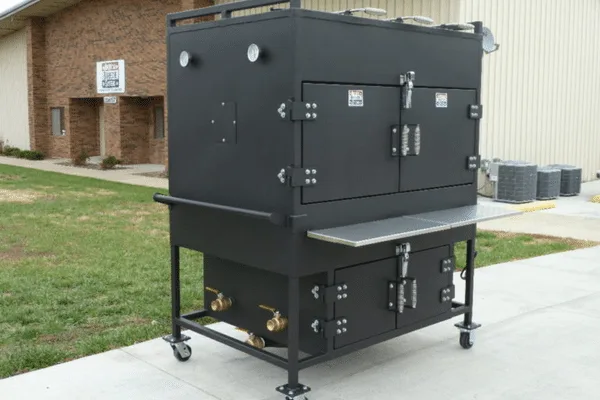
Let me tell you about the first time I fired up a Pit SGC smoker in a restaurant setting. It was a Friday night service at a bustling BBQ joint in Nashville, and we were expecting 300 covers. The smoker, a beast of a machine with its dual fireboxes and stainless steel construction, was supposed to be our saving grace. Instead, it felt like we were trying to tame a wild stallion with a toothpick. By the end of the night, we had unevenly cooked briskets, a line that stretched out the door, and a kitchen team ready to mutiny. That’s when I realized: owning a high-capacity smoker like the Pit SGC isn’t enough. You’ve got to know how to maximize its potential for high-volume service, or you’re just asking for chaos.
Fast forward to today, and I’ve spent years figuring out the quirks of this smoker, what works, what doesn’t, and how to turn it into the backbone of a restaurant’s operation. Whether you’re running a BBQ pit, a Southern comfort food spot, or even a modern fusion restaurant that dabbles in smoked proteins, this guide is for you. We’re going to dive deep into everything from temperature control to workflow optimization, and yes, even how to keep your sanity when the dinner rush hits. By the end, you’ll know how to make your Pit SGC smoker not just a piece of equipment, but a profit-driving machine.
So, let’s get one thing straight: this isn’t just about smoking meat. It’s about efficiency, consistency, and scalability. It’s about making sure that when your hostess tells you there’s a 45-minute wait, you’re not sweating bullets because your smoker is running at half capacity. It’s about turning a tool into a competitive advantage. And yeah, it’s also about avoiding the kind of night where you’re Googling “how to quit your job and move to a cabin in Montana” at 2 AM. Trust me, I’ve been there.
Here’s what we’ll cover:
- How to calibrate your Pit SGC smoker for high-volume cooking without sacrificing quality.
- The best fuels and wood combinations to keep your smoker running smoothly during peak hours.
- Why prep and organization might be the most underrated part of smoking at scale.
- How to train your team so they’re not just button-pushers but smoker whisperers.
- The hidden pitfalls of high-volume smoking and how to avoid them.
- And a whole lot more, including some hard-earned lessons I wish I’d known before my first disaster service.
Ready? Let’s dive in.
Understanding the Pit SGC Smoker: More Than Just a Big Box
What Makes the Pit SGC Different?
First things first: not all smokers are created equal. The Pit SGC isn’t your backyard Weber Smokey Mountain or even a mid-sized offset smoker. It’s a commercial-grade workhorse designed for restaurants that need to smoke large quantities of meat without constant babysitting. But here’s the thing, just because it’s built for volume doesn’t mean it’s plug-and-play. You’ve got to understand its quirks.
The Pit SGC typically comes with dual fireboxes, which is a game-changer for high-volume cooking. Why? Because it allows you to control temperature zones independently. Imagine this: you’re smoking 50 racks of ribs and 20 briskets at the same time. With a single firebox, you’re stuck with one temperature, which means either your ribs cook too fast or your briskets stall out. With dual fireboxes, you can run one side hotter for the briskets and the other side cooler for the ribs. It’s like having two smokers in one, and that’s a huge advantage when you’re dealing with a packed house.
But, and this is a big but, those dual fireboxes also mean double the variables. You’ve got to monitor two sets of dampers, two fuel loads, and two airflow systems. It’s not rocket science, but it’s also not as simple as throwing in some wood and walking away. I’ve seen chefs treat this smoker like a set-it-and-forget-it Crock-Pot, only to end up with a kitchen full of smoke and a line of angry customers. Don’t be that chef.
Another thing that sets the Pit SGC apart is its insulation. This thing is built like a tank, with thick steel walls and high-quality gaskets. That means it retains heat like a champ, which is great for consistency but also means it takes longer to cool down if you overshoot your temperature. I learned this the hard way during a lunch rush when I cranked up the heat to power through a batch of pulled pork, only to realize too late that the smoker was now running at 300°F when I needed it at 225°F. Lesson learned: respect the insulation.
Key Features You Might Be Overlooking
Let’s talk about some of the features of the Pit SGC that often get ignored but can make or break your high-volume service. First up: the airflow system. This smoker has a pretty sophisticated setup, with intake and exhaust dampers that let you fine-tune the oxygen flow. Most chefs I’ve worked with treat these like on/off switches, either fully open or fully closed. But here’s the thing: small adjustments make a big difference. If your smoker is running too hot, try closing the intake damper just a smidge before you start messing with the fuel. It’s a subtle change, but it can save you from overshooting your temp and having to wait for the smoker to cool down.
Then there’s the water pan. Yeah, I know, it’s not the sexiest feature, but it’s crucial for maintaining humidity inside the smoker. In high-volume cooking, you’re dealing with a lot of meat, which means a lot of moisture being released. If you don’t have a water pan (or if it’s empty), you’re going to end up with dry, tough meat. And let’s be real, no one’s coming back to your restaurant for dry brisket. I keep a schedule for refilling the water pan, especially during long smokes. It’s one of those little things that makes a big difference in the final product.
Oh, and let’s not forget the thermometers. The Pit SGC usually comes with built-in probes, but here’s my hot take: don’t trust them blindly. I’ve seen too many smokers with thermometers that are off by 20°F or more. That might not sound like a lot, but when you’re smoking meat low and slow, a 20-degree difference can mean the difference between perfect bark and a brisket that’s dry as the Sahara. Invest in a high-quality digital thermometer and calibrate it regularly. It’s a small upfront cost that’ll save you a ton of headaches (and wasted meat) down the line.
Fuel and Wood: The Backbone of Your Smoking Operation
Choosing the Right Fuel for High-Volume Cooking
Alright, let’s talk fuel. This is where a lot of restaurants go wrong, especially when they’re scaling up. You can’t just throw any old wood or charcoal into your Pit SGC and expect it to perform. High-volume smoking requires consistent, long-lasting fuel, and not all options are created equal.
First, let’s talk about charcoal. If you’re running a high-volume operation, you’re probably using lump charcoal or briquettes as your base fuel. Lump charcoal is my personal favorite because it burns hotter and cleaner, but it also burns faster. That’s great for searing or when you need a quick temperature boost, but it’s not ideal for all-day smokes. Briquettes, on the other hand, burn longer and more consistently, but they can produce more ash, which means more cleanup. I’ve found that a mix of both works best for high-volume cooking. Start with briquettes for the long burn, and add lump charcoal when you need to crank up the heat.
Now, let’s talk about wood. This is where things get fun, and also where a lot of chefs overcomplicate things. The key here is consistency. You want a wood that burns evenly and produces a clean, predictable smoke. For most high-volume operations, I recommend sticking with hardwoods like hickory, oak, or pecan. They’re widely available, burn consistently, and pair well with most meats. I’ve seen chefs get fancy with fruitwoods like apple or cherry, but here’s the thing: those woods burn faster and can produce a lot of creosote if you’re not careful. That’s fine for a backyard cookout, but in a high-volume restaurant setting, it’s a recipe for disaster. Stick with what works, and save the experimentation for your off-hours.
One thing I can’t stress enough: don’t skimp on your wood. Cheap wood is often wet, which means it burns inefficiently and produces a lot of acrid smoke. That’s not the kind of smoke flavor you want in your meat. Invest in kiln-dried wood from a reputable supplier. It’s more expensive upfront, but it’ll save you time, fuel, and headaches in the long run. And for the love of all things holy, store your wood properly. Keep it covered and off the ground to prevent it from absorbing moisture. Trust me, there’s nothing worse than firing up your smoker for a big service only to realize your wood is damp and won’t light.
Mastering the Art of the Fire
Alright, so you’ve got your fuel and wood sorted. Now comes the tricky part: building and maintaining the fire. This is where a lot of restaurants struggle, especially when they’re dealing with high volume. You can’t just toss some wood and charcoal into the firebox and hope for the best. You’ve got to manage the fire like a pro.
First, let’s talk about fire management. The key here is patience. I know, I know, when you’re in the middle of a dinner rush and your smoker is running low, the last thing you want to do is wait. But trust me, rushing the fire is a surefire way to end up with uneven temperatures and a kitchen full of smoke. Start by building a small, hot fire in one of the fireboxes. Once it’s going strong, add your larger pieces of wood and charcoal. Let it burn until you’ve got a good bed of coals, then start adding your meat. Resist the urge to keep adding fuel. Too much fuel too soon will smother the fire and lead to temperature swings.
Now, let’s talk about temperature control. This is where the dual fireboxes of the Pit SGC really shine. If you’re cooking different types of meat at the same time, you can run one firebox hotter than the other. For example, if you’re smoking briskets and ribs, you might run the brisket side at 250°F and the rib side at 225°F. But here’s the thing: you’ve got to monitor both sides closely. Just because one side is running at the right temperature doesn’t mean the other is. I’ve seen chefs focus all their attention on one firebox only to realize too late that the other side is running 50 degrees hotter (or colder) than they thought. Use those built-in thermometers, but also invest in a dual-probe digital thermometer so you can keep an eye on both sides at once.
And finally, let’s talk about smoke control. This is where a lot of restaurants go wrong. Too much smoke can make your meat bitter, while too little can leave it tasting bland. The key is thin, blue smoke. If your smoker is producing thick, white smoke, that’s a sign that your wood isn’t burning cleanly. This usually happens when the fire is too cool or when you’re using wet wood. Adjust your dampers to increase airflow and let the fire burn hotter. If that doesn’t work, you might need to swap out your wood for something drier.
Prep and Organization: The Unsung Heroes of High-Volume Smoking
Why Your Prep Game Can Make or Break Your Service
Let’s be real: smoking meat at scale isn’t just about the smoker. It’s about everything that happens before and after the meat goes into the pit. I’ve seen restaurants with top-of-the-line smokers fail because their prep game was weak. And I’ve seen dives with ancient equipment thrive because they had their systems dialed in. Prep and organization are the unsung heroes of high-volume smoking, and if you ignore them, you’re setting yourself up for failure.
First, let’s talk about meat prep. This is where a lot of restaurants cut corners, and it always comes back to bite them. You can’t just throw a brisket into the smoker straight out of the cryovac and expect it to turn out great. You’ve got to trim, season, and rest your meat properly. For briskets, that means trimming the fat cap to about 1/4 inch, seasoning it generously with your rub, and letting it sit for at least an hour before it goes into the smoker. For ribs, it means removing the membrane, applying your rub, and letting them sit overnight if possible. And for pork shoulder, it means scoring the fat cap and seasoning it aggressively. These steps might seem tedious, but they’re on-negotiable if you want consistent results.
But prep isn’t just about the meat. It’s also about your workspace. When you’re smoking at high volume, you’re dealing with a lot of meat, a lot of fuel, and a lot of tools. If your workspace is cluttered or disorganized, you’re going to waste time (and probably burn yourself) trying to find what you need. I’ve worked in kitchens where the smoker station was a disaster, wood piled haphazardly, tools scattered everywhere, and meat sitting out for who knows how long. It’s a recipe for chaos. Keep your workspace clean, organized, and efficient. That means having a designated spot for your wood, your tools, and your meat. It means keeping your work surfaces clean and sanitized. And it means having a system for tracking what’s going into the smoker and when.
And let’s not forget about timing. High-volume smoking is all about planning ahead. You can’t just decide at 4 PM that you’re going to smoke 20 briskets for dinner service. You’ve got to think about how long each cut of meat takes to cook, how much space you have in your smoker, and when you need to start each batch. I’ve seen restaurants try to cram too much meat into their smoker at once, only to end up with unevenly cooked product and a line of angry customers. Don’t be that restaurant. Plan your smokes in advance, and stick to the schedule. If you’re not sure how long something will take, err on the side of caution and give yourself extra time. It’s better to have meat ready early than to keep customers waiting.
Creating a Smoking Schedule That Actually Works
Alright, let’s talk about schedules. This is where a lot of restaurants drop the ball. They might have a great smoker and a talented team, but if their smoking schedule is a mess, they’re still going to struggle. A good smoking schedule is like a roadmap for your service. It tells you when to start each batch of meat, when to check on it, and when to pull it out. Without one, you’re flying blind.
First, let’s talk about batch sizing. When you’re smoking at high volume, you can’t just throw all your meat into the smoker at once. You’ve got to break it down into manageable batches. How big should each batch be? That depends on your smoker and your menu. For the Pit SGC, I recommend starting with batches of 10-15 briskets or 20-25 racks of ribs. That’s enough to keep your smoker running efficiently without overcrowding it. If you’re not sure, start small and adjust as you go. It’s better to run multiple smaller batches than to try to cram everything in at once.
Next, let’s talk about timing. This is where things get tricky. Different cuts of meat take different amounts of time to cook, and you’ve got to account for that in your schedule. For example, briskets can take anywhere from 12 to 18 hours to smoke, while ribs usually take 5 to 6 hours. If you’re smoking both at the same time, you’ve got to plan accordingly. I like to use a spreadsheet or a whiteboard to map out my smoking schedule. That way, I can see at a glance when each batch needs to go in and when it needs to come out. It’s a simple system, but it works.
And finally, let’s talk about contingencies. No matter how well you plan, things can (and will) go wrong. Maybe your smoker runs hotter than expected, or maybe a batch of meat stalls out. That’s why it’s important to build some flexibility into your schedule. I always plan for at least one extra hour per batch, just in case. And I make sure I’ve got a backup plan in case something goes seriously wrong. For example, if my smoker breaks down mid-service, I’ve got a plan for finishing the meat in the oven. It’s not ideal, but it’s better than having to tell customers you’re out of brisket.
Training Your Team: Turning Button-Pushers into Smoker Whisperers
Why Your Team’s Skills Can Make or Break Your Smoking Operation
Here’s a hard truth: your smoker is only as good as the people running it. I’ve seen restaurants invest in top-of-the-line equipment, only to see it go to waste because their team didn’t know how to use it properly. And I’ve seen dives with ancient smokers produce incredible food because their team was well-trained and passionate. If you want to maximize your Pit SGC smoker for high-volume service, you’ve got to invest in your team.
First, let’s talk about training. This isn’t something you can rush. You can’t just hand your line cook a manual and expect them to become a smoker expert overnight. You’ve got to train them properly, and that takes time. Start with the basics: how to light the fire, how to control the temperature, how to add fuel and wood. Then move on to more advanced topics, like how to manage airflow, how to troubleshoot temperature swings, and how to tell when meat is done. And don’t just tell them-show them. Have them shadow you during a smoke, and let them take the lead under your supervision. The more hands-on experience they get, the better.
But training isn’t just about skills. It’s also about mindset. Smoking meat at scale is a marathon, not a sprint. It requires patience, attention to detail, and a willingness to learn. If your team sees it as just another task on their to-do list, they’re not going to put in the effort needed to produce great results. You’ve got to inspire them. Show them how their work contributes to the bigger picture. Let them taste the difference between a brisket that’s been smoked with care and one that’s been rushed. Help them understand that their role is crucial to the success of the restaurant.
And let’s not forget about communication. When you’re running a high-volume smoking operation, things can change quickly. Maybe a batch of meat is cooking faster than expected, or maybe the smoker is running hotter than usual. Whatever the case, you’ve got to keep your team in the loop. I like to hold a pre-service meeting to go over the smoking schedule and any potential issues. And I make sure everyone knows who to talk to if something goes wrong. The last thing you want is for a line cook to try to troubleshoot a smoker issue on their own and make things worse.
Common Mistakes Your Team Might Be Making (And How to Fix Them)
Even with the best training, mistakes happen. And when you’re smoking at high volume, those mistakes can be costly. Here are some of the most common mistakes I see teams make with the Pit SGC smoker, and how to fix them.
First up: overcrowding the smoker. This is a big one. When you’re in the middle of a dinner rush and the tickets are piling up, it’s tempting to cram as much meat into the smoker as possible. But here’s the thing: overcrowding leads to uneven cooking. The meat on the edges of the smoker will cook faster than the meat in the middle, and you’ll end up with some pieces that are overdone and others that are underdone. The fix? Stick to your batch sizes, and resist the urge to overload the smoker. It’s better to run multiple smaller batches than to try to do everything at once.
Next: ignoring the thermometers. I get it, when you’re busy, it’s easy to forget to check the temperature. But here’s the thing: your smoker’s built-in thermometers aren’t always accurate. If you’re not checking them regularly, you could end up with meat that’s overcooked or undercooked. The fix? Invest in a high-quality digital thermometer, and make it a habit to check the temperature every 30 minutes. And don’t just check the smoker’s temperature, check the internal temperature of the meat too. That’s the only way to know for sure when it’s done.
Another common mistake: adding too much fuel too soon. When your smoker is running low, it’s tempting to dump in a bunch of wood and charcoal to keep it going. But here’s the thing: too much fuel can smother the fire and lead to temperature swings. The fix? Add fuel gradually. Start with a small amount, and let it catch before adding more. And if you’re using wood, make sure it’s dry and seasoned. Wet wood burns inefficiently and produces a lot of acrid smoke.
And finally: ot resting the meat. This is a big one. When you pull meat out of the smoker, it’s tempting to slice it up and serve it right away. But here’s the thing: resting is crucial for tenderness and juiciness. If you cut into a brisket too soon, all the juices will run out, and you’ll end up with dry, tough meat. The fix? Let your meat rest for at least 30 minutes before slicing. And if you’re not sure, err on the side of caution and give it more time. It’s better to have meat that’s a little too rested than meat that’s not rested enough.
Workflow Optimization: Turning Your Smoker into a Well-Oiled Machine
Designing a Smoker Station That Actually Works
Alright, let’s talk about workflow. This is where a lot of restaurants struggle. They might have a great smoker and a talented team, but if their workflow is a mess, they’re still going to have problems. A good workflow is like a well-oiled machine. Everything has its place, and everything flows smoothly. If your workflow is clunky or disorganized, you’re going to waste time, make mistakes, and frustrate your team.
First, let’s talk about station design. Your smoker station should be set up for efficiency and safety. That means having everything you need within arm’s reach, and nothing you don’t. I’ve seen smoker stations that look like a junk drawer, wood piled haphazardly, tools scattered everywhere, and meat sitting out for who knows how long. It’s a recipe for chaos. Keep your station clean, organized, and efficient. That means having a designated spot for your wood, your tools, and your meat. It means keeping your work surfaces clean and sanitized. And it means having a system for tracking what’s going into the smoker and when.
Next, let’s talk about tool organization. When you’re smoking at high volume, you’re going to need a lot of tools, tongs, gloves, thermometers, fire starters, and more. If those tools aren’t organized, you’re going to waste time (and probably burn yourself) trying to find what you need. I like to use a pegboard or a tool rack to keep everything in its place. That way, I can see at a glance where everything is, and I don’t have to dig through a drawer to find my tongs. And don’t forget about safety gear. Gloves, aprons, and eye protection are a must when you’re working with a hot smoker.
And finally, let’s talk about communication. When you’re running a high-volume smoking operation, things can change quickly. Maybe a batch of meat is cooking faster than expected, or maybe the smoker is running hotter than usual. Whatever the case, you’ve got to keep your team in the loop. I like to use a whiteboard or a digital display to track the smoking schedule and any potential issues. That way, everyone can see at a glance what’s going on, and no one is left in the dark.
Integrating Your Smoker into the Kitchen’s Rhythm
Now, let’s talk about integration. Your smoker isn’t just a standalone piece of equipment, it’s part of your kitchen’s ecosystem. If it’s not integrated properly, it can throw off the entire flow of service. I’ve seen restaurants where the smoker is treated like an afterthought, tucked away in a corner where no one can see it. That’s a mistake. Your smoker should be front and center, a key part of your kitchen’s rhythm.
First, let’s talk about timing. Your smoker’s schedule should align with the rest of your kitchen’s workflow. For example, if you’re smoking briskets for dinner service, you’ve got to start them early enough so they’re ready when you need them. But you also don’t want them sitting around for hours, drying out. That means coordinating with your prep team to make sure the meat is ready to go into the smoker at the right time. And it means coordinating with your line cooks to make sure the meat is ready to be served when it comes out of the smoker.
Next, let’s talk about space. Your smoker takes up a lot of room, and you’ve got to make sure it’s not getting in the way of the rest of your kitchen’s operations. I’ve seen restaurants where the smoker is crammed into a tight corner, making it difficult for the team to access. That’s a recipe for frustration. Give your smoker the space it needs, and make sure it’s easily accessible for your team. And don’t forget about ventilation. Smoking produces a lot of smoke, and you’ve got to make sure it’s not overwhelming your kitchen. Invest in a good exhaust system, and make sure it’s properly maintained.
And finally, let’s talk about teamwork. Your smoker team shouldn’t be working in a silo. They’ve got to be integrated with the rest of your kitchen. That means communicating with the prep team, the line cooks, and the front of house. It means being flexible and adaptable, and it means being willing to lend a hand when things get busy. I’ve seen restaurants where the smoker team is treated like a separate entity, and it always leads to problems. Don’t be that restaurant. Make sure your smoker team is part of the bigger picture.
Troubleshooting Common Issues in High-Volume Smoking
The Dreaded Temperature Swing (And How to Fix It)
Let’s talk about temperature swings. This is one of the most common issues I see in high-volume smoking, and it’s also one of the most frustrating. You’re in the middle of a dinner rush, and suddenly your smoker’s temperature starts bouncing all over the place. One minute it’s at 225°F, the next it’s at 300°F. What’s going on?
First, let’s talk about why temperature swings happen. There are a few common culprits. One is fuel. If you’re using wet or unseasoned wood, it can burn inefficiently and cause temperature fluctuations. Another is airflow. If your dampers are too open or too closed, it can lead to uneven temperatures. And finally, there’s operator error. If you’re adding too much fuel too soon, or if you’re not monitoring the smoker closely enough, you can end up with temperature swings.
So, how do you fix it? First, check your fuel. Make sure your wood is dry and seasoned, and that you’re using the right amount. If you’re not sure, start with a small amount and add more as needed. Next, check your airflow. If your smoker is running too hot, try closing the intake damper a little. If it’s running too cool, try opening it up. And finally, monitor your smoker closely. Temperature swings often happen when you’re not paying attention. Make it a habit to check the temperature every 30 minutes, and adjust as needed.
But what if you’ve tried all that and your smoker is still acting up? That’s when you’ve got to troubleshoot deeper. Maybe there’s an issue with the gaskets, or maybe the thermometers are malfunctioning. Whatever the case, don’t ignore the problem. Temperature swings can ruin your meat and frustrate your team. Address them head-on, and don’t be afraid to call in a professional if you need to.
Dealing with the Stall (Without Losing Your Mind)
Ah, the stall. If you’ve ever smoked a brisket, you know what I’m talking about. You’re cruising along at 225°F, the meat is cooking nicely, and then suddenly-it stops. The internal temperature plateaus, and no matter what you do, it won’t budge. What’s going on?
The stall is a atural part of the smoking process, and it happens when the moisture inside the meat starts to evaporate. As the moisture evaporates, it cools the meat, which can cause the internal temperature to plateau. It’s frustrating, but it’s also unavoidable. The key is knowing how to deal with it.
First, let’s talk about patience. The stall can last for hours, and it’s tempting to try to rush it. But here’s the thing: rushing the stall can ruin your meat. If you crank up the heat to power through the stall, you’re going to end up with dry, tough brisket. The best thing you can do is wait it out. Keep your smoker at a steady temperature, and let the meat do its thing. It’ll get there eventually.
But what if you’re in the middle of a dinner rush and you can’t afford to wait? That’s when you’ve got to get creative. One trick is to wrap the meat in butcher paper or foil. This is called the Texas crutch, and it can help speed up the cooking process by trapping moisture and heat. It’s not ideal, wrapping can soften the bark, but it’s a good option if you’re in a pinch. Another trick is to increase the airflow. If your smoker is running too cool, try opening up the dampers to let in more oxygen. This can help the fire burn hotter and push the meat through the stall faster.
And finally, let’s talk about prevention. The stall is inevitable, but there are things you can do to minimize its impact. One is to trim your meat properly. If you leave too much fat on the brisket, it can take longer to cook and stall out more. Another is to monitor the internal temperature closely. The sooner you catch the stall, the sooner you can take action. And finally, make sure your smoker is running at a steady temperature. Temperature swings can make the stall worse, so keep things as consistent as possible.
Maintenance and Cleaning: Keeping Your Smoker in Top Shape
Why Regular Maintenance Is Non-Negotiable
Let’s talk about maintenance. This is one of those topics that no one wants to think about, but it’s crucial if you want to maximize your Pit SGC smoker for high-volume service. I’ve seen restaurants treat their smoker like a set-it-and-forget-it appliance, only to end up with a machine that’s clogged, rusted, or worse. Don’t be that restaurant. Regular maintenance isn’t just about keeping your smoker looking nice, it’s about ensuring it runs efficiently and safely.
First, let’s talk about cleaning. This is the most basic (and most important) part of maintenance. After every use, you’ve got to clean out the ash, grease, and food debris. If you don’t, you’re going to end up with a smoker that’s clogged, smelly, and potentially unsafe. I like to do a deep clean at the end of every week. That means scrubbing down the grates, wiping out the fireboxes, and checking for any buildup. And don’t forget about the gaskets. If they’re dirty or damaged, they can let heat escape, which will make your smoker less efficient. Clean them regularly, and replace them if they’re worn out.
Next, let’s talk about inspection. This is where you check for any signs of wear and tear. Look for rust, cracks, or any other damage. If you find anything, address it immediately. Small issues can turn into big problems if you ignore them. And don’t forget about the thermometers. If they’re not accurate, your smoker won’t perform properly. Calibrate them regularly, and replace them if they’re not working right.
And finally, let’s talk about preventative maintenance. This is where you take steps to prevent issues before they happen. For example, you might season your smoker regularly to prevent rust. Or you might lubricate the dampers to keep them moving smoothly. These might seem like small things, but they can make a big difference in the long run. Think of it like changing the oil in your car, it’s not glamorous, but it’s essential if you want your smoker to last.
Creating a Cleaning Schedule That Actually Gets Followed
Alright, so you know you need to clean and maintain your smoker. But how do you make sure it actually gets done? This is where a cleaning schedule comes in. I’ve seen restaurants with the best intentions, but if they don’t have a schedule, the cleaning never happens. Don’t let that be you. A good cleaning schedule is simple, realistic, and easy to follow.
First, let’s talk about daily cleaning. This is the most basic level of maintenance, and it’s non-negotiable. After every use, you’ve got to clean out the ash, grease, and food debris. This should take no more than 10-15 minutes, but it’s crucial for keeping your smoker running smoothly. I like to assign this task to a specific team member, so there’s no confusion about who’s responsible. And I make sure they have the tools they need, a good brush, a scraper, and a vacuum for the ash.
Next, let’s talk about weekly cleaning. This is where you do a deeper clean, scrubbing down the grates, wiping out the fireboxes, and checking for any buildup. This should take about 30-45 minutes, and it’s a good time to inspect the smoker for any signs of wear and tear. I like to do this at the end of the week, when the smoker is cool and the team has a little extra time. And I make sure to document any issues, so I can address them before they become big problems.
And finally, let’s talk about monthly maintenance. This is where you do a full inspection, checking for rust, cracks, or any other damage. You should also calibrate the thermometers, lubricate the dampers, and season the smoker if needed. This should take about an hour, and it’s a good time to make any necessary repairs. I like to do this on a slow day, when the kitchen isn’t too busy. And I make sure to keep a maintenance log, so I can track any issues and make sure they’re addressed.
But here’s the thing: a cleaning schedule is only as good as the people who follow it. If your team doesn’t buy in, it’s not going to work. That’s why it’s important to train them properly. Show them why cleaning and maintenance are important, and make sure they have the tools and time they need to do it right. And don’t forget to lead by example. If you’re not following the schedule, why should they?
Advanced Techniques for High-Volume Smoking
Using the Pit SGC’s Dual Fireboxes to Your Advantage
Alright, let’s talk about advanced techniques. If you’ve mastered the basics of high-volume smoking, it’s time to take things to the next level. And one of the best ways to do that is by using the Pit SGC’s dual fireboxes to your advantage. This is where the smoker really shines, and it’s a game-changer for restaurants that need to smoke large quantities of meat.
First, let’s talk about temperature zones. With dual fireboxes, you can create different temperature zones in your smoker. For example, you might run one side at 250°F for briskets and the other side at 225°F for ribs. This is a huge advantage when you’re dealing with a packed house, because it allows you to cook different types of meat at the same time. But here’s the thing: you’ve got to monitor both sides closely. Just because one side is running at the right temperature doesn’t mean the other is. Use a dual-probe digital thermometer to keep an eye on both sides, and adjust as needed.
Next, let’s talk about fuel management. With dual fireboxes, you’ve got to manage two separate fires, which means double the variables. You’ve got to monitor two sets of dampers, two fuel loads, and two airflow systems. It’s not rocket science, but it’s also not as simple as throwing in some wood and walking away. Start by building a small, hot fire in one of the fireboxes. Once it’s going strong, add your larger pieces of wood and charcoal. Let it burn until you’ve got a good bed of coals, then start adding your meat. Resist the urge to keep adding fuel. Too much fuel too soon will smother the fire and lead to temperature swings.
And finally, let’s talk about smoke control. With dual fireboxes, you’ve got more control over the smoke flavor. For example, you might use hickory in one firebox and pecan in the other, to create a more complex flavor profile. But here’s the thing: too much smoke can make your meat bitter. The key is thin, blue smoke. If your smoker is producing thick, white smoke, that’s a sign that your wood isn’t burning cleanly. Adjust your dampers to increase airflow and let the fire burn hotter. If that doesn’t work, you might need to swap out your wood for something drier.
Mastering the Art of the Texas Crutch (Without Sacrificing Bark)
Alright, let’s talk about the Texas crutch. This is one of those techniques that’s controversial in the BBQ world, but it’s also a lifesaver in high-volume restaurants. If you’re not familiar with it, the Texas crutch is a method of wrapping meat in butcher paper or foil to speed up the cooking process. It’s a great way to push through the stall, but it can also soften the bark if you’re not careful. So, how do you master the Texas crutch without sacrificing bark?
First, let’s talk about when to wrap. The key here is patience. You don’t want to wrap too early, or you’ll end up with meat that’s steamed instead of smoked. Wait until the meat has developed a good bark, and the internal temperature has started to stall. For briskets, that’s usually around 165-170°F. For ribs, it’s usually around 150-155°F. If you’re not sure, err on the side of caution and wait a little longer. It’s better to wrap too late than too early.
Next, let’s talk about what to wrap with. There are two main options: butcher paper and foil. Butcher paper is my personal favorite because it allows the meat to breathe, which helps preserve the bark. Foil, on the other hand, traps moisture and can soften the bark. But it’s also more effective at speeding up the cooking process. If you’re in a pinch and need to push through the stall quickly, foil is the way to go. But if you’ve got the time, butcher paper is the better option.
And finally, let’s talk about how to wrap. This is where a lot of people go wrong. If you wrap too tightly, you’ll end up with meat that’s steamed instead of smoked. If you wrap too loosely, you’ll lose the benefits of the crutch. The key is to wrap snugly but not too tightly. Start by laying out a large sheet of butcher paper or foil. Place the meat in the center, and fold the edges up and over the meat. Make sure there are no gaps, but don’t pull too tight. You want the meat to have a little room to breathe.
Once you’ve wrapped the meat, return it to the smoker and let it cook until it’s done. For briskets, that’s usually around 203°F. For ribs, it’s usually around 195-200°F. And don’t forget to rest the meat after you pull it out of the smoker. This is crucial for tenderness and juiciness. Let it rest for at least 30 minutes before slicing, and if you’re not sure, err on the side of caution and give it more time.
Scaling Up: How to Handle the Busiest Nights Without Losing Your Cool
Preparing for a Big Event or Holiday Rush
Alright, let’s talk about scaling up. This is where the rubber meets the road. You’ve mastered the basics, you’ve got your workflow dialed in, and your team is trained. Now it’s time to put it all to the test on your busiest night of the year. Whether it’s a holiday rush, a big event, or just a regular Friday night, you’ve got to be prepared. And I’m not just talking about having enough meat in the walk-in. I’m talking about having a plan.
First, let’s talk about inventory. This is where a lot of restaurants drop the ball. They assume they’ve got enough meat, only to realize mid-service that they’re running low. Don’t be that restaurant. Take the time to count your inventory before the rush. How many briskets do you have? How many racks of ribs? How many pounds of pulled pork? And don’t forget about the small stuff-wood, charcoal, butcher paper, foil. It’s the little things that can trip you up when you’re busy.
Next, let’s talk about prep. This is where you set yourself up for success. The more you can prep ahead of time, the smoother your service will go. That means trimming and seasoning your meat, setting up your workspace, and making sure your smoker is ready to go. I like to do a full prep day before a big event. That way, when the rush hits, I’m not scrambling to get everything ready. And don’t forget about the little things-like making sure your tools are organized and your thermometers are calibrated.
And finally, let’s talk about communication. This is where a lot of restaurants struggle. When you’re busy, it’s easy for things to get lost in the shuffle. That’s why it’s important to keep your team in the loop. I like to hold a pre-service meeting to go over the plan. That way, everyone knows what’s expected of them, and no one is left in the dark. And I make sure to check in regularly during service, to make sure everything is running smoothly. If something goes wrong, I want to know about it before it becomes a big problem.
Managing the Line When the Smoker Is Running at Full Capacity
Alright, so you’ve prepped, you’ve planned, and the rush is on. Now what? This is where managing the line becomes crucial. When your smoker is running at full capacity, things can get chaotic fast. You’ve got tickets piling up, customers waiting, and a kitchen that’s running at full tilt. How do you keep everything under control?
First, let’s talk about prioritization. This is where a lot of restaurants go wrong. They try to do everything at once, and end up doing nothing well. Don’t be that restaurant. Prioritize your tickets based on what’s coming out of the smoker. If you’ve got a batch of briskets that’s ready to come out, focus on those first. If you’ve got ribs that are almost done, keep an eye on them. And don’t forget about the small stuff-like sides and appetizers. They might not be as glamorous as the smoked meat, but they’re just as important to your customers.
Next, let’s talk about communication. This is where a lot of restaurants struggle. When you’re busy, it’s easy for things to get lost in the shuffle. That’s why it’s important to keep your team in the loop. I like to use a whiteboard or a digital display to track what’s coming out of the smoker and when. That way, everyone can see at a glance what’s going on, and no one is left in the dark. And don’t forget to check in with the front of house. They’re the ones dealing with the customers, and they need to know what’s going on in the kitchen. If there’s a delay, let them know so they can manage expectations.
And finally, let’s talk about flexibility. This is where a lot of restaurants get stuck. They’ve got a plan, and they’re determined to stick to it, no matter what. But here’s the thing: plans change. Maybe a batch of meat is cooking faster than expected, or maybe the smoker is running hotter than usual. Whatever the case, you’ve got to be flexible. Don’t be afraid to adjust your plan on the fly. If something isn’t working, change it. The goal is to keep the line moving, not to stick to a plan that’s no longer working.
Conclusion: Turning Your Pit SGC Smoker into a Profit-Driving Machine
Alright, let’s wrap this up. If you’ve made it this far, you’ve got a ton of information to digest. But here’s the thing: knowledge is only power if you use it. You can read all the guides in the world, but if you don’t put what you’ve learned into practice, it’s not going to do you any good. So, what’s the next step?
First, take a hard look at your operation. Where are you struggling? Is it with temperature control? Workflow? Team training? Whatever it is, address it head-on. Don’t ignore the problems, and don’t assume they’ll fix themselves. Take the time to troubleshoot and improve. And don’t be afraid to ask for help. Whether it’s from a mentor, a colleague, or even the manufacturer of your smoker, there’s no shame in admitting you need a little guidance.
Next, train your team. Your smoker is only as good as the people running it, so make sure they’re well-trained and motivated. Show them why their work is important, and give them the tools they need to succeed. And don’t forget to lead by example. If you’re not following best practices, why should they?
And finally, keep learning. The world of BBQ is always evolving, and there’s always something new to discover. Whether it’s a new technique, a new piece of equipment, or a new trend, stay curious. Attend workshops, read books, and talk to other chefs. The more you learn, the better you’ll get.
At the end of the day, maximizing your Pit SGC smoker for high-volume service isn’t just about the smoker. It’s about efficiency, consistency, and scalability. It’s about turning a tool into a competitive advantage. And it’s about making sure that when the dinner rush hits, you’re not just surviving, you’re thriving.
So, what’s your next move? Are you going to dial in your temperature control? Optimize your workflow? Train your team? Whatever it is, don’t wait. The sooner you start, the sooner you’ll see results. And trust me, your customers (and your bottom line) will thank you.
FAQ
Q: How often should I calibrate the thermometers on my Pit SGC smoker?
A: You should calibrate your thermometers at least once a month, but I recommend doing it every two weeks if you’re running high-volume service. Temperature accuracy is crucial for consistent results, and even a small discrepancy can lead to overcooked or undercooked meat. Use a high-quality digital thermometer to check the accuracy of your smoker’s built-in probes, and adjust or replace them if needed. It’s a small investment of time that can save you a lot of headaches down the line.
Q: What’s the best way to handle a smoker that’s running too hot during a busy service?
A: If your smoker is running too hot, the first thing you should do is check the airflow. Close the intake dampers slightly to reduce the oxygen flow, which will lower the temperature. If that doesn’t work, you can also try adding a small amount of water to the firebox to cool things down. Avoid adding too much fuel or wood, as this can make the problem worse. And if all else fails, you can always pull the meat out and finish it in the oven. It’s not ideal, but it’s better than serving overcooked meat.
Q: How do I train my team to use the Pit SGC smoker effectively?
A: Start with the basics, how to light the fire, how to control the temperature, and how to add fuel and wood. Then move on to more advanced topics, like managing airflow, troubleshooting temperature swings, and telling when meat is done. Hands-on training is key, so have your team shadow you during a smoke and let them take the lead under your supervision. And don’t forget to emphasize the importance of patience and attention to detail. Smoking meat at scale is a marathon, not a sprint, and your team needs to understand that.
Q: What’s the most common mistake restaurants make when using a Pit SGC smoker for high-volume service?
A: The most common mistake is overcrowding the smoker. When you’re in the middle of a dinner rush, it’s tempting to cram as much meat into the smoker as possible. But overcrowding leads to uneven cooking, with some pieces overdone and others underdone. Stick to your batch sizes, and resist the urge to overload the smoker. It’s better to run multiple smaller batches than to try to do everything at once. And don’t forget to monitor the temperature closely, overcrowding can also lead to temperature swings, which can ruin your meat.
@article{how-to-maximize-your-pit-sgc-smoker-for-high-volume-restaurants-a-chefs-hard-won-guide,
    title   = {How to Maximize Your Pit SGC Smoker for High-Volume Restaurants: A Chef’s Hard-Won Guide},
    author  = {Chef's icon},
    year    = {2026},
    journal = {Chef's Icon},
    url     = {https://chefsicon.com/how-to-maximize-pit-sgc-s-smoker-for-high-volume-restaurants/}
}