The Best Fluffy Pancakes recipe you will fall in love with. Full of tips and tricks to help you make the best pancakes.
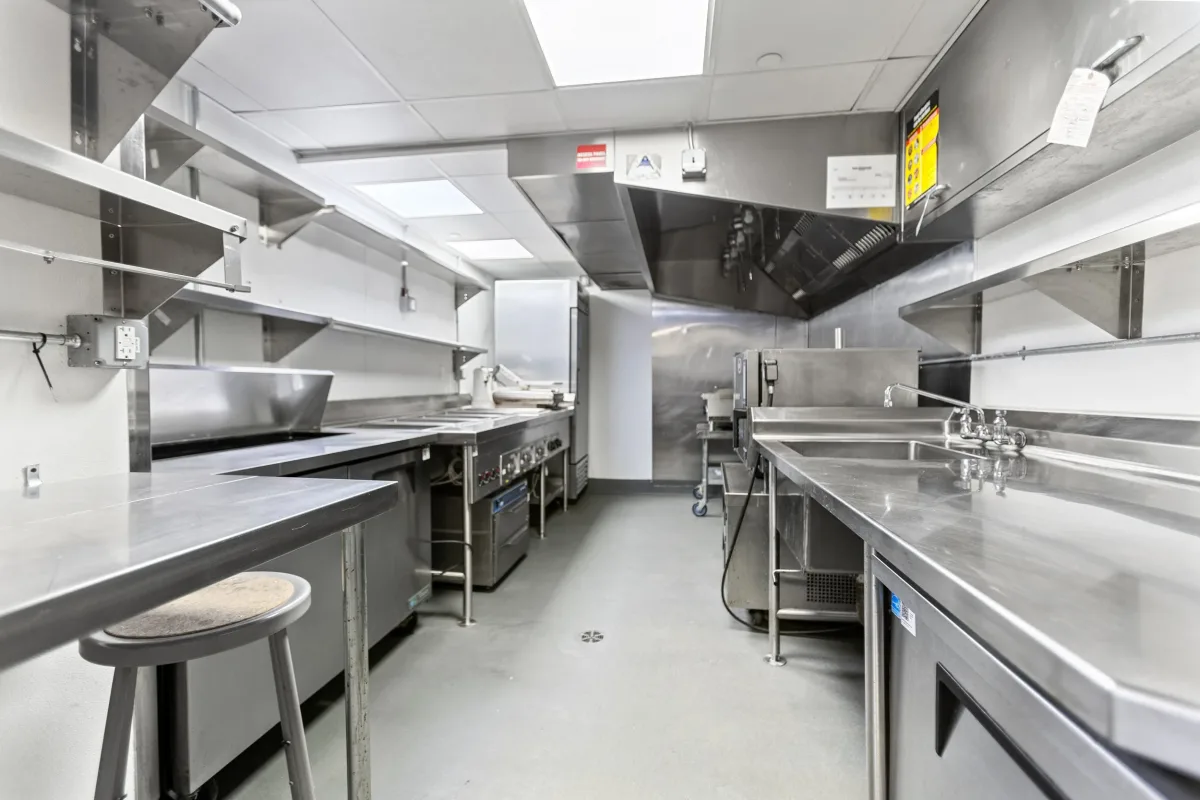
Let me tell you about the time I walked into a tiny Nashville hot chicken joint that was doing lines out the door, yet their kitchen was so cramped, the fry cook and the expediter were practically doing a two-step just to avoid colliding. I watched as one poor soul tried to plate an order while another reached for the same shelf of spices, and it hit me: space optimization in a commercial kitchen isn’t just about efficiency, it’s about survival. If you’re running a small restaurant, you know the drill. Every square foot counts, and every misplaced piece of equipment is a potential bottleneck (or worse, a safety hazard). But here’s the thing: you don’t need a massive renovation or a blank check to make your kitchen work harder for you. What you *do* need is a mix of creativity, strategy, and a willingness to question every “that’s just how we’ve always done it” assumption.
I’ve spent years talking to chefs, restaurant owners, and kitchen designers, people who’ve squeezed Michelin-starred workflows into food truck footprints and turned shoebox-sized prep areas into profit powerhouses. What they’ve taught me is that optimizing a small commercial kitchen isn’t about shrinking your dreams to fit your space; it’s about rethinking how your space can serve your dreams. Whether you’re launching a new concept or trying to rescue a struggling operation, this guide will walk you through the nitty-gritty of making your kitchen leaner, faster, and more adaptable. And don’t worry, we’re not talking about some cookie-cutter solution here. This is about tailoring your space to *your* menu, *your* team, and *your* customers. Ready to dive in? Let’s start by asking the question that should keep every small restaurant owner up at night (in a good way): *What if your kitchen could do more with less?*
Before we get into the weeds, let’s set some ground rules. First, there’s no one-size-fits-all answer. A sushi bar’s workflow is nothing like a wood-fired pizza joint’s, and a bakery’s needs are worlds away from a diner’s. Second, optimization isn’t just about equipment, it’s about people. The best-designed kitchen in the world won’t save you if your team can’t move or communicate effectively. And third, small changes can have outsized impacts. You don’t need to gut your kitchen and start from scratch (though if you’re at that point, we’ll cover that too). Sometimes, it’s the little tweaks, the repositioned shelf, the multi-functional tool, the reimagined prep station, that unlock the biggest gains. So, where do we begin? Let’s start by diagnosing the problem. Because before you can fix your kitchen, you need to understand what’s *actually* breaking it.
The Kitchen Autopsy: Identifying Your Space’s Pain Points
1. The Walk-Through Test (Or: Why Your Staff Might Be Secretly Hating You)
Here’s a simple exercise I’ve seen work wonders: grab a stopwatch and a notebook, then shadow your team during a rush. No, really, do it. I’ll wait. Done? Good. Now, ask yourself: How many steps does your line cook take to grab a pan? How often does your prep chef have to reach over someone else to get to the cutting board? How much time is wasted because the walk-in is on the opposite side of the kitchen from the prep station? These aren’t just annoyances; they’re silent profit killers. In a small kitchen, every unnecessary movement adds up to minutes lost per order, which translates to slower service, longer ticket times, and, let’s be real, hangry customers.
I remember watching a chef in Austin who ran a 12-seat omakase counter. His kitchen was barely larger than a walk-in closet, but he’d mapped out every single step his team took during service. By the end of the night, he’d identified that his sous chef was walking 1.2 miles during a single dinner service, just to fetch ingredients that could’ve been within arm’s reach. The fix? A custom-built modular shelving unit that held everything from sauces to garnishes in a U-shape around the prep area. The result? A 30% reduction in ticket times and a kitchen that suddenly felt *spacious*. The lesson? Your kitchen’s biggest inefficiencies might be invisible until you measure them.
Now, let’s talk about the three biggest culprits I see in small kitchens:
- The “We’ll Just Put It Here” Syndrome: That extra prep table you shoved into the corner because it was on sale? It’s probably blocking a critical pathway. Small kitchens don’t have room for “temporary” solutions that become permanent eyesores.
- The Equipment Graveyard: That waffle maker you used for one brunch special? The pasta roller you bought on a whim? They’re taking up space that could be used for something *actually* essential to your menu. Be ruthless, if it’s not getting used at least three times a week, it’s got to go.
- The “But We’ve Always Done It This Way” Trap: Just because your last kitchen had a separate station for every task doesn’t mean yours should. In a small space, multi-functionality is your best friend.
Is this the best approach? Let’s consider: maybe you’re thinking, *But my kitchen is already tight, how can I possibly make it work?* Here’s the thing: optimization isn’t about making your kitchen smaller; it’s about making it smarter. And that starts with understanding where your current setup is failing you.
2. The Menu Audit: Does Your Space Match Your Ambitions?
I’ve lost count of how many times I’ve seen a restaurant with a 20-page menu crammed into a kitchen the size of a studio apartment. It’s like trying to fit a symphony into a phone booth, something’s got to give. Here’s a hard truth: your menu should dictate your kitchen layout, not the other way around. If you’re offering a dozen different proteins, a full bakery section, and a raw bar, you’re either going to need a lot of space or a lot of cross-trained staff (or both). But if you’re running a small restaurant, chances are your menu should be *leaner*-not just for your sanity, but for your bottom line.
Let’s break this down. Grab your menu and ask yourself these questions:
- What are your top 5 bestsellers? These should be the easiest dishes to execute in your kitchen. If your signature dish requires a 10-step process that involves three different stations, you’re setting yourself up for failure.
- What dishes require the most space or equipment? That whole roasted duck might be a crowd-pleaser, but if it’s tying up your only oven for two hours, is it worth it? Sometimes, limiting your menu is the best way to maximize your space.
- What can you prep ahead? The more you can do during off-hours, the less you’ll need to juggle during service. Think about components that can be pre-cooked, pre-portioned, or pre-assembled. A small kitchen thrives on mise en place taken to the extreme.
- What’s your waste like? If you’re throwing out half a case of avocados every week because your guacamole isn’t selling, that’s not just food waste, it’s shelf space waste. Track your inventory and adjust your menu accordingly.
I’m torn between two schools of thought here. On one hand, a focused menu can be a competitive advantage-it allows you to perfect a few dishes and streamline your operations. On the other hand, variety can be what sets you apart in a crowded market. So how do you strike the balance? Here’s my take: your menu should be as big as your kitchen (and your staff) can handle without sacrificing quality or speed. If that means offering 5 dishes instead of 20, so be it. Your customers will thank you for it.
Maybe I should clarify: this isn’t about dumbing down your concept. It’s about aligning your ambitions with your realities. A small kitchen can absolutely produce incredible food, it just requires a different kind of creativity. Think about it: some of the most revered restaurants in the world operate out of tiny spaces. What they lack in square footage, they make up for in precision, preparation, and purpose.
3. The Workflow Map: Drawing Your Kitchen’s DNA
If you’ve ever played a game of Twister in your kitchen during a dinner rush, you know something’s wrong. A well-designed kitchen should feel like a dance, not a contact sport. The key? Mapping out your workflow so that every movement has a purpose and every station flows into the next. This is where things get a little nerdy, but trust me, it’s worth it.
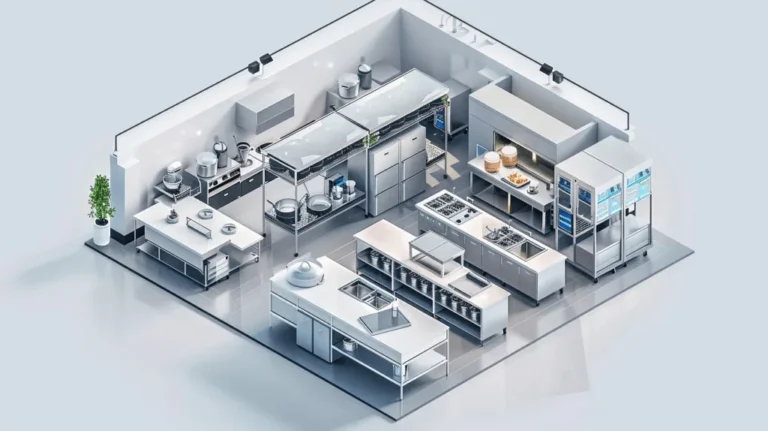
Start by sketching a rough layout of your kitchen (even a napkin doodle will do). Then, grab some colored markers and trace the path of:
- Your food: From delivery to storage to prep to cooking to plating to service. Where are the bottlenecks?
- Your staff: How do they move between stations? Are there any cross-traffic nightmares?
- Your waste: How do you dispose of trash, compost, and recyclables? Is it out of the way or in the middle of the action?
Here’s what you’re looking for:
- The Golden Triangle: In an ideal kitchen, the three main work zones-cooking, prep, and storage-should form a triangle. This minimizes steps and keeps everything within easy reach. In a small kitchen, this triangle might be more of a tight cluster, but the principle holds.
- Zones of Contention: Are there areas where multiple people need to access the same equipment or ingredients? These are your high-risk collision points.
- Dead Zones: Are there parts of your kitchen that are underutilized? Could that corner be repurposed for a speed rack or a handwashing station?
I’ll admit, this part can feel a little overwhelming. You might be thinking, *I’m a chef, not an architect!* But here’s the thing: you don’t need to be a designer to spot the flaws in your layout. You just need to pay attention to how your team moves (or doesn’t move) during service. And if you’re really stuck, there’s no shame in calling in a pro. A good kitchen designer can work wonders with a small space-but they can’t do their job if you don’t know what’s working (and what’s not) in your current setup.
One last thought before we move on: your workflow map isn’t set in stone. As your menu evolves and your team grows, your kitchen’s needs will change. That’s why it’s important to revisit this exercise every few months. What worked six months ago might be holding you back now. Stay flexible, stay observant, and don’t be afraid to shake things up.
Space-Saving Strategies That Actually Work
4. The Multi-Functional Equipment Revolution
If I had a dollar for every time I’ve seen a small kitchen with a single-use piece of equipment gathering dust, I could probably afford to buy a food truck. The truth is, most small restaurants can’t afford the luxury of single-purpose tools. What you need are Swiss Army knives for your kitchen-equipment that can do double, triple, or even quadruple duty. Let’s talk about how to make that happen.
First up: combi ovens. If you’re not familiar with these, they’re essentially ovens that can also steam, smoke, and even proof dough. In a small kitchen, a combi oven can replace a conventional oven, a steamer, and a proofing cabinet-saving you space, money, and energy. I’ve seen pizzerias use them to bake pies, roast vegetables, and even cook pasta. The versatility is insane, and the footprint is often smaller than a traditional deck oven.
Next, let’s talk about tilt skillets. These are like giant, industrial-sized frying pans that can braise, sauté, steam, and even bake. They’re perfect for small kitchens because they can handle a variety of cooking methods in one compact unit. Need to sear off some short ribs? Tilt skillet. Want to make a big batch of soup? Tilt skillet. Need to steam some veggies? You guessed it, tilt skillet. One piece of equipment, endless possibilities.
But what if you’re on a tight budget? No problem. Here are some low-cost, high-impact multi-functional tools that can make a big difference:
- Immersion blenders: They can puree soups, emulsify sauces, and even whip cream. Plus, they take up way less space than a countertop blender.
- Food processors: From chopping veggies to making dough, these are the ultimate prep workhorses. Look for models with multiple attachments to maximize their utility.
- Induction burners: These portable burners can be used for everything from searing to simmering, and they’re a great way to add extra cooking capacity without taking up permanent space.
- Speed racks: These aren’t just for storage, they can double as prep tables, plating stations, or even makeshift work surfaces. Get creative with how you use them.
I’m torn between recommending the latest high-tech gadgets and sticking to the basics. On one hand, investing in versatile equipment can save you space and money in the long run. On the other hand, not every small kitchen needs a $20,000 combi oven. So how do you decide? Here’s my rule of thumb: if a piece of equipment can replace two or more single-purpose tools, it’s probably worth the investment. Otherwise, stick to the basics and focus on making the most of what you’ve got.
One more thing: don’t overlook the power of human creativity. Some of the most space-efficient kitchens I’ve seen rely on clever prep techniques rather than fancy equipment. For example, a chef I know in Portland runs a ramen shop out of a tiny space. Instead of using a giant stockpot to make broth, he uses multiple smaller pots that can be stacked and stored when not in use. It’s a simple solution, but it works.
5. Vertical Thinking: How to Use Your Walls (And Ceiling) Like a Pro
When floor space is at a premium, the only way to go is up. Yet, I’m constantly amazed by how many small kitchens ignore their vertical real estate. Walls and ceilings are like the hidden goldmines of kitchen optimization-they’re just waiting to be tapped. Let’s talk about how to make the most of them.
First, let’s tackle wall-mounted storage. This is one of the easiest and most effective ways to free up counter and floor space. Here are some ideas:
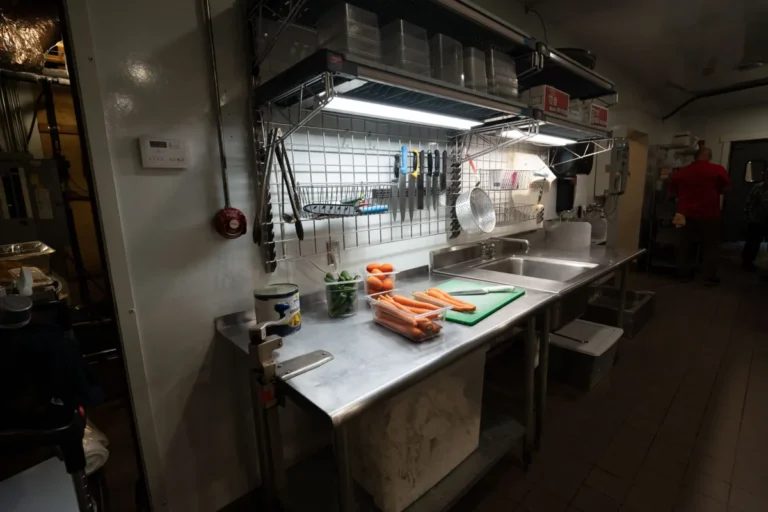
- Pegboards: These are a game-changer. You can hang everything from utensils to pots and pans, and they’re endlessly customizable. Plus, they make your kitchen look like a well-organized workshop, always a good vibe.
- Magnetic strips: Perfect for knives, spice jars, or even small tools. They keep everything within easy reach and free up drawer space.
- Shelving units: Floating shelves or wall-mounted racks can hold everything from dry goods to small appliances. Just make sure they’re sturdy enough to handle the weight.
- Hooks and rails: Great for hanging ladles, whisks, and other utensils. They’re cheap, easy to install, and can be moved around as needed.
Now, let’s talk about ceiling-mounted solutions. These are a little more involved, but they can be a lifesaver in a tight space.
- Pot racks: Hanging your pots and pans from the ceiling frees up cabinet space and keeps them within easy reach. Plus, it adds a professional, chef-y vibe to your kitchen.
- Overhead speed racks: These are like regular speed racks, but they’re suspended from the ceiling. They’re great for storing sheet pans, cutting boards, or even small appliances.
- Hanging baskets: Perfect for storing onions, garlic, or other produce that doesn’t need to be refrigerated. They keep things off the counter and add a rustic touch to your kitchen.
But here’s the thing: vertical storage isn’t just about slapping shelves on the wall and calling it a day. You’ve got to think strategically about what goes where. Here are some tips:
- Keep frequently used items within arm’s reach. If you’re constantly grabbing the same spice blend or utensil, it should be at eye level or just below.
- Store heavy items lower down. You don’t want to be reaching up for a cast-iron skillet in the middle of a dinner rush.
- Use clear containers or labels. When everything’s within easy reach, it’s easy to forget where things go. Labels help keep things organized.
- Don’t overcrowd your vertical space. It’s tempting to use every inch of wall and ceiling real estate, but you don’t want your kitchen to feel like a storage unit. Leave some breathing room.
I’ll admit, I was skeptical about vertical storage at first. I thought it would make my kitchen feel cluttered or cramped. But after seeing it in action in a few small restaurants, I’m a believer. When done right, vertical storage can make your kitchen feel more spacious, not less. It’s all about finding the right balance and keeping things organized.
One last thought: don’t forget about the space above your equipment. That empty area above your prep table or stove? It’s prime real estate. Consider adding a shelf or a hanging rack to store frequently used items. Just make sure it’s not in the way of your hood or ventilation system.
6. The Art of the Z-Line: Rethinking Your Kitchen’s Layout
If you’ve ever worked in a commercial kitchen, you’re probably familiar with the classic assembly line layout-a straight line of stations from prep to plating. It’s efficient, it’s logical, and it’s completely impractical for most small kitchens. Why? Because in a tight space, a straight line can create bottlenecks, cross-traffic nightmares, and wasted square footage. That’s where the Z-line layout comes in.
So, what’s a Z-line? It’s exactly what it sounds like: a kitchen layout that zigzags like the letter Z. Instead of a straight line, you’ve got stations arranged in a diagonal pattern, with the flow of work moving from one corner to the opposite corner. This might sound counterintuitive, but it can actually save space and improve efficiency in a small kitchen. Here’s why:
- It reduces cross-traffic. In a straight-line layout, everyone’s moving in the same direction, which can lead to collisions and congestion. A Z-line creates natural pathways that keep people out of each other’s way.
- It maximizes corner space. Corners are often underutilized in small kitchens. A Z-line layout turns them into functional work zones.
- It creates a more dynamic workflow. Instead of a rigid assembly line, you’ve got a fluid, adaptable system that can handle multiple tasks at once.
Let’s break down how to set up a Z-line layout. Imagine your kitchen as a rectangle. Here’s how the stations might flow:
- Start in one corner: This is where your prep station goes. It’s the first stop in the Z-line, so it should be close to your storage area (walk-in, dry storage, etc.).
- Move diagonally to the opposite corner: This is where your cooking station goes. It should be close to your prep station but not so close that it creates congestion.
- Zigzag back to the original side: This is where your plating or expediting station goes. It should be close to the cooking station but also near the pass-through to the front of house.
Here’s a rough sketch of what that might look like:
Storage ---> Prep Station | v Cooking Station ---> Plating Station
Of course, this is just a starting point. Your Z-line might look different depending on your kitchen’s shape, your menu, and your team’s needs. The key is to experiment and adjust until you find a layout that works for you.
I’m torn between the Z-line and more traditional layouts. On one hand, the Z-line can feel a little chaotic at first, especially if your team is used to a straight-line setup. On the other hand, it’s a great way to make the most of a small space. So how do you decide? Here’s my advice: if your kitchen is so small that a straight line feels cramped or inefficient, give the Z-line a try. It might take some getting used to, but it could be the key to unlocking your kitchen’s potential.
One more thing: don’t be afraid to mix and match. You don’t have to commit to a full Z-line if it doesn’t work for your space. Maybe you use a Z-line for your prep and cooking stations but keep a straight line for plating. Or maybe you use a Z-line on one side of the kitchen and a more traditional layout on the other. The goal is to find what works for you, not to force your kitchen into a one-size-fits-all solution.
Beyond the Basics: Advanced Optimization Tactics
7. The Psychology of Small Spaces: How to Make Your Kitchen *Feel* Bigger
Let’s be real: no amount of optimization is going to make a 200-square-foot kitchen feel like a sprawling culinary palace. But here’s the thing-you don’t need it to. What you *do* need is a kitchen that *feels* spacious, even if it’s not. Why? Because a cramped, cluttered kitchen is a stressful kitchen, and stress leads to mistakes, slowdowns, and unhappy staff. So how do you make a small kitchen feel bigger? It’s all about psychology, lighting, and smart design.
First up: lighting. If your kitchen is dimly lit, it’s going to feel smaller and more claustrophobic. But if it’s bright and well-lit, it’ll feel more open and inviting. Here are some tips:
- Maximize natural light. If you’ve got windows, keep them clean and unobstructed. If you don’t, consider adding a skylight or a light tube.
- Use task lighting. Overhead lights are great, but they can create shadows. Add under-cabinet lighting or pendant lights over workstations to brighten up specific areas.
- Choose the right color temperature. Warm lighting (2700K-3000K) can make a space feel cozy, but it can also make it feel smaller. Cool lighting (3500K-4100K) can make a space feel more open and airy.
Next, let’s talk about color. Dark colors absorb light and make a space feel smaller, while light colors reflect light and make a space feel larger. That doesn’t mean you have to paint your kitchen white (though if that’s your vibe, go for it). Here are some other options:
- Light-colored walls and ceilings. This is the easiest way to make a small kitchen feel bigger. Think soft grays, pale blues, or light greens.
- Glossy or semi-glossy finishes. These reflect light and can make a space feel more open. Just be aware that they can show smudges and fingerprints more easily.
- Monochromatic color schemes. Using the same color (or similar shades) for walls, cabinets, and countertops can create a seamless look that makes a space feel larger.
Now, let’s talk about mirrors. Yes, mirrors. They’re not just for bathrooms anymore. Strategically placed mirrors can make a small kitchen feel twice as big. Here’s how to use them:
- Hang a large mirror on one wall. This will reflect light and create the illusion of more space.
- Use mirrored backsplashes. These can make your kitchen feel more open and add a touch of glamour.
- Place small mirrors near light sources. This will amplify the light and make the space feel brighter.
I’ll admit, I was skeptical about the whole “make your kitchen feel bigger” thing at first. I thought it was just a bunch of design fluff. But after seeing it in action in a few small restaurants, I’m a convert. A well-lit, thoughtfully designed kitchen can make all the difference in how your team feels and performs. And when your team is happy and comfortable, your customers are happy too.
One last thought: don’t underestimate the power of clutter control. A cluttered kitchen is a stressful kitchen, no matter how big it is. Keep your counters clear, your floors clean, and your storage organized. It’s a small thing, but it can make a big difference in how your kitchen *feels*.
8. The Modular Kitchen: How to Future-Proof Your Space
Here’s a hard truth: your kitchen’s needs are going to change. Maybe you’ll add a new dish to your menu. Maybe you’ll hire more staff. Maybe you’ll switch from dine-in to takeout-only (hey, it happens). Whatever the case, your kitchen should be able to adapt. That’s where modular design comes in.
So, what’s a modular kitchen? It’s a kitchen that’s made up of interchangeable, movable components. Instead of fixed stations and built-in equipment, you’ve got flexible units that can be rearranged or repurposed as needed. Think of it like LEGO for your kitchen-you can build, rebuild, and adapt as your needs change.
Here’s why modular kitchens are perfect for small spaces:
- They’re adaptable. Need to add a new station for a seasonal dish? No problem. Just rearrange your modules.
- They’re scalable. Starting small but planning to grow? Modular kitchens can expand with you.
- They’re cost-effective. Instead of investing in permanent fixtures, you’re investing in flexible units that can be reused or repurposed.
Let’s talk about how to create a modular kitchen. Here are some key components:
- Mobile workstations: These are tables or carts on wheels that can be moved around as needed. They’re great for prep, plating, or even extra storage.
- Modular shelving: These are shelving units that can be adjusted or reconfigured. They’re perfect for storing everything from dry goods to small appliances.
- Movable equipment: Think induction burners, countertop grills, or even small refrigeration units. These can be moved around to create different work zones.
- Flexible storage: Use bins, baskets, and containers that can be easily moved or stacked. This makes it easy to reconfigure your storage as your needs change.
I’m torn between the flexibility of modular kitchens and the stability of traditional layouts. On one hand, modular kitchens can feel a little chaotic, especially if your team is used to fixed stations. On the other hand, they’re a great way to future-proof your space. So how do you decide? Here’s my advice: if your menu or business model is likely to change in the near future, go modular. Otherwise, a more traditional layout might be the way to go.
One more thing: don’t forget about the little details. Modular kitchens are all about flexibility, but that doesn’t mean you should skimp on quality. Invest in sturdy, well-made components that can handle the wear and tear of a busy kitchen. And make sure everything’s easy to clean and maintain-a modular kitchen is only as good as its weakest link.
9. The Digital Kitchen: How Tech Can Save You Space (And Sanity)
Let’s talk about kitchen tech. I know, I know, you’re a chef, not a computer scientist. But hear me out: the right technology can save you space, streamline your operations, and make your life a whole lot easier. And in a small kitchen, that’s a game-changer.
First up: digital inventory management. If you’re still tracking your inventory with pen and paper (or worse, in your head), you’re wasting time, money, and precious storage space. A good inventory management system can help you:
- Reduce waste. By tracking what you’ve got and what you’re using, you can avoid over-ordering and spoilage.
- Save space. When you know exactly what you’ve got, you can optimize your storage and free up room for other things.
- Improve efficiency. No more running to the walk-in to check if you’re out of something. Just pull up your inventory on your tablet or phone.
Next, let’s talk about kitchen display systems (KDS). These are digital screens that replace traditional paper tickets. They’re a great way to:
- Reduce clutter. No more stacks of paper tickets cluttering up your line.
- Improve communication. With a KDS, your front-of-house team can send orders directly to the kitchen, reducing the risk of miscommunication.
- Speed up service. Digital tickets can be prioritized, grouped, and tracked in real-time, making it easier to manage a busy service.
But what if you’re on a tight budget? No problem. Here are some low-cost tech solutions that can make a big difference:
- Tablet-based POS systems. These are a great alternative to traditional cash registers. They’re compact, easy to use, and can handle everything from orders to payments.
- Digital recipe apps. Instead of printing out recipes or keeping them in a binder, store them on a tablet or phone. This saves space and makes it easy to update or share recipes.
- Smart scales. These can connect to your inventory system and automatically track what you’re using. They’re a great way to reduce waste and save space.
I’ll admit, I was a little skeptical about kitchen tech at first. I thought it was just a bunch of gimmicks. But after seeing it in action in a few small restaurants, I’m a believer. The right tech can save you time, money, and space-and in a small kitchen, that’s everything.
One more thing: don’t forget about training. New tech is only as good as the people using it. Make sure your team is comfortable with any new systems or tools before you roll them out. And be patient-it might take some time to get everyone on board.
10. The Human Factor: How to Train Your Team for a Small Kitchen
Here’s the thing about small kitchens: they don’t just optimize themselves. No matter how well-designed your space is, it’s only as good as the people working in it. That’s why training your team for a small kitchen is just as important as optimizing your layout or investing in the right equipment. Let’s talk about how to do it.
First up: communication. In a small kitchen, everyone needs to be on the same page. That means clear, concise communication, no shouting, no ambiguity, no room for misinterpretation. Here’s how to make it happen:
- Establish clear protocols. Who calls out orders? Who plates? Who runs food? Make sure everyone knows their role and how to communicate with the rest of the team.
- Use a consistent language. Whether it’s “behind” for someone walking behind you or “corner” for someone coming around a blind spot, make sure everyone’s using the same terminology.
- Encourage feedback. If someone’s struggling with the layout or the workflow, listen to them. They’re the ones in the trenches-they know what’s working and what’s not.
Next, let’s talk about cross-training. In a small kitchen, everyone needs to be able to do a little bit of everything. That means training your line cooks to prep, your prep cooks to plate, and your dishwashers to lend a hand when things get busy. Here’s how to make it happen:
- Rotate stations. Don’t let anyone get too comfortable in one role. Rotate your team through different stations so they’re familiar with the whole kitchen.
- Hold regular training sessions. Whether it’s a weekly skills workshop or a monthly deep dive into a new technique, make sure your team is always learning.
- Encourage collaboration. A small kitchen is a team effort. Encourage your staff to help each other out and share knowledge.
But here’s the thing: cross-training isn’t just about skills, it’s about mindset. In a small kitchen, everyone needs to be flexible, adaptable, and willing to pitch in. That means:
- No egos. In a small kitchen, there’s no room for divas. Everyone needs to be willing to do what it takes to get the job done.
- No silos. Your prep team shouldn’t be isolated from your line team. Everyone needs to be working together toward the same goal.
- No excuses. If something’s not working, fix it. If someone’s struggling, help them. In a small kitchen, there’s no room for complacency.
I’m torn between the benefits of cross-training and the risks of overloading your team. On one hand, a well-trained, adaptable team is a small kitchen’s greatest asset. On the other hand, too much cross-training can lead to burnout or confusion. So how do you strike the balance? Here’s my advice: start small. Cross-train your team on a few key skills, then gradually expand as they get more comfortable. And always, *always* listen to your team. If they’re feeling overwhelmed, dial it back.
One more thing: don’t forget about morale. A small kitchen can be a high-stress environment, and it’s easy for tempers to flare. Make sure your team feels valued, respected, and supported. That means:
- Recognizing hard work. A simple “thank you” or “great job” can go a long way.
- Providing breaks. Even in a busy service, make sure your team has time to rest and recharge.
- Creating a positive culture. A small kitchen is like a family. Make sure it’s a happy one.
At the end of the day, a small kitchen is only as good as the people working in it. Invest in your team, and they’ll invest in your kitchen. It’s as simple as that.
Putting It All Together: Your Small Kitchen Optimization Plan
Alright, let’s take a step back. We’ve covered a lot of ground-from diagnosing your kitchen’s pain points to rethinking your layout to training your team. Now, it’s time to put it all together into a step-by-step optimization plan. Here’s how to do it:
- Start with a kitchen autopsy. Shadow your team during a rush, map out your workflow, and identify your biggest inefficiencies. Don’t skip this step-it’s the foundation of everything that comes next.
- Audit your menu. What’s selling? What’s not? What’s taking up too much space or time? Be ruthless-if it’s not working, cut it.
- Rethink your layout. Whether it’s a Z-line, a modular setup, or something in between, your kitchen’s layout should serve your menu and your team. Don’t be afraid to experiment.
- Invest in multi-functional equipment. From combi ovens to tilt skillets, the right tools can save you space, time, and money. Just make sure they’re worth the investment.
- Go vertical. Walls and ceilings are your friends. Use them for storage, lighting, and even mirrors to make your kitchen feel bigger.
- Embrace technology. From inventory management to kitchen display systems, the right tech can streamline your operations and save you space.
- Train your team. A small kitchen is only as good as the people working in it. Invest in communication, cross-training, and morale.
- Revisit and revise. Your kitchen’s needs will change over time. Don’t be afraid to shake things up and try new things.
I’ll admit, this all might feel a little overwhelming. You might be thinking, *Where do I even start?* Here’s my advice: start small. Pick one or two areas to focus on, maybe it’s your layout or your equipment, and tackle those first. Once you’ve made some progress, move on to the next thing. Optimization is a journey, not a destination.
And remember: there’s no such thing as a perfect kitchen. Even the most well-designed spaces have their quirks and challenges. The goal isn’t perfection, it’s creating a kitchen that works for you, your team, and your customers. So don’t get too hung up on the details. Focus on what matters, stay flexible, and don’t be afraid to make mistakes. After all, some of the best ideas come from trial and error.
So, what’s next? It’s time to roll up your sleeves and get to work. Your small kitchen is waiting, and with a little creativity and a lot of hustle, it’s got the potential to be something truly special.
FAQ: Your Small Kitchen Optimization Questions, Answered
Q: How do I know if my kitchen is too small for my menu?
A: Great question. If you’re constantly bumping into your team, struggling to find storage space, or dealing with long ticket times, those are all signs that your kitchen might be too small for your menu. Another red flag? If you’re frequently running out of prep space or struggling to keep up with demand. The best way to know for sure is to audit your menu and your workflow. If certain dishes are causing bottlenecks or taking up too much space, it might be time to simplify.
Q: What’s the one piece of equipment that can save the most space in a small kitchen?
A: Hands down, it’s the combi oven. These versatile machines can replace a conventional oven, a steamer, and even a proofing cabinet, saving you space, energy, and money. If you’re on a tight budget, a tilt skillet is a close second. It can handle everything from braising to sautéing to steaming, all in one compact unit. Of course, the best piece of equipment for your kitchen depends on your menu and your needs. But if you’re looking for a game-changer, a combi oven is a solid bet.
Q: How can I make my small kitchen more ergonomic for my staff?
A: Ergonomics is all about reducing strain and improving efficiency. In a small kitchen, that means:
– Keeping frequently used items within easy reach (no reaching or bending required).
– Using adjustable-height workstations so your team can work comfortably.
– Ensuring your floors are slip-resistant and easy to clean.
– Providing anti-fatigue mats to reduce strain on legs and backs.
– Encouraging your team to take breaks and stretch during long shifts.
It’s also a good idea to shadow your team during a rush and look for any awkward movements or repetitive motions. If you see something that looks uncomfortable or inefficient, it probably is. Don’t be afraid to ask your team for feedback, they’re the ones who know what’s working and what’s not.
Q: Is it worth hiring a kitchen designer for a small restaurant?
A: It depends. If you’re starting from scratch or doing a major renovation, a kitchen designer can be worth their weight in gold. They can help you maximize your space, choose the right equipment, and create a layout that works for your menu and your team. But if you’re just looking to make a few tweaks, you might not need a pro. Start by auditing your kitchen and experimenting with small changes. If you’re still struggling, then consider bringing in a designer. Just make sure you choose someone with experience in small kitchens, they’ll have the creative solutions you need to make the most of your space.
@article{small-restaurant-big-impact-how-to-optimize-your-commercial-kitchen-space-without-breaking-the-bank,
    title   = {Small Restaurant, Big Impact: How to Optimize Your Commercial Kitchen Space Without Breaking the Bank},
    author  = {Chef's icon},
    year    = {2026},
    journal = {Chef's Icon},
    url     = {https://chefsicon.com/commercial-kitchen-space-optimization-small-restaurants/}
}